



Brussels – Meta has proposed a harmonised age verification and safety standard system for apps and online services to the European Commission to safeguard teenagers across the European Union.
According to Meta, this proposal includes age verification and parental consent of app downloads for those aged below 16. If an underaged kid wants to download an app, app stores would need to inform their parents under Meta’s proposal. Parents would then decide whether to endorse the download. Meta also wants EU-wide industry benchmarks for age-appropriate experiences for teens.
“Alignment across industries on the types of content companies should be considered age-appropriate, as there is for other media like movies and video games. Further, certain apps, including social media apps, should offer supervision tools for teens under 16 that parents can activate and control,” the statement stated.
Recently, the Incoming EU Commissioner responsible for technology, Henna Virkkunen, has tagged safeguarding minors “a top priority”. Youth safety online is also in component of the obligation of Commissioner for Home Affairs Magnus Brunner and Justice Commissioner Michael McGrath. “That’s why we urgently need new EU-wide regulation that provides consistent protections for teens online, requiring app stores to verify teens’ age and get parents’ approval when teens under 16 download an app,” she said.
The 27 EU member nations are currently free to develop their own rules for age verification and there are no EU measures, although some of the EU rules foresee enhanced age verification to protect minors including the Digital Services Act (DSA) and Audiovisual Media Services Directive (AVMSD). The proposed Child Sexual Abuse Material (CSAM) regulation, currently under discussion in the Council of the EU, also depends heavily on recognising minors online to shield them from predators.
Comments
Last News
Spain’s Sánchez Calls National Security Meeting 26 Days Into Ceuta Migration Crisis
Madrid
Colette Sauvage Reflects on 70 Turbulent Years of Marriage to Philippe Bouvard
Cannes, France, 24 August (Eurotoday Newspaper) – Colette Sauvage’s seven-decade marriage to French broadcaster Philippe Bouvard endured fame, long absences and serious marital strains, with his wife once revealing that she had even put his suitcases outside the door during difficult periods in their relationship.
The couple married in 1953 and remained together for more than 70 years, until Bou

Six EU Countries Aim to Tax Oil Windfall Profits
Star News Anchor Resigns as Partner Enters French Presidential Race
Arsenal Injury Update: Tzolis Shines and Odegaard Regains Form in London
London, 22 August (Brussels Morning Newspaper) – Arsenal have received an encouraging Arsenal injury update on Bruno Guimaraes after the midfielder missed their 3-0 Premier League victory over Coventry City, while Christos Tzolis and Martin Odegaard provided Mikel Arteta with plenty of encouragement at the other end of the pitch.
The champions made a confident start to their title defence at the
How Ukraine Can Endure Another Winter
In the podcast, Zoya Sheftalovich and Chief Foreign Affairs Correspondent Nick Vinocur explore the support Ukrainian President Volodymyr Zelenskyy aims to obtain from the Coalitio
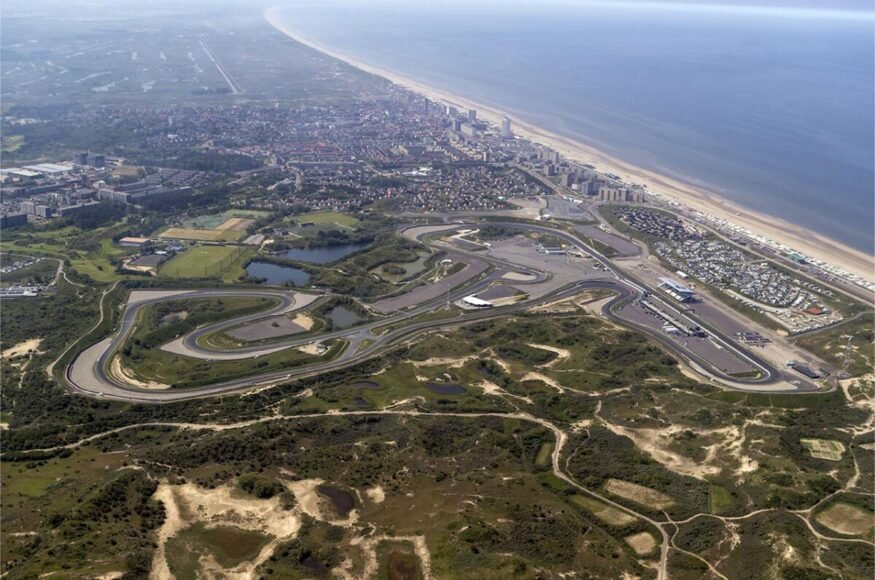
Max Verstappen Reflects on Disappointing Dutch Grand Prix Weekend in Zandvoort
Zandvoort, Netherlands, 23 August (Eurotoday) – Max Verstappen said his home Formula One weekend had been disappointing after an opening-lap accident ended his Dutch Grand Prix at Zandvoort. The Red Bull driver was unhurt, but the early retirement brought the Verstappen Dutch GP weekend to a premature close after he had struggled for pace across the event.
Verstappen started seventh and made it
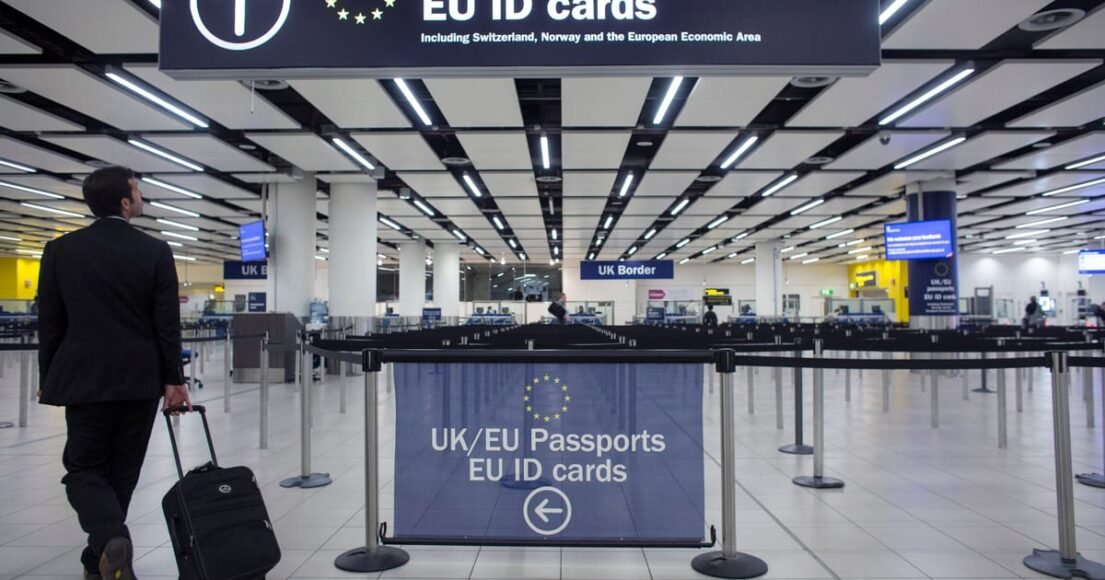
Britain assured EU citizens about its settled status system, then muddled identical twins.
Many such cases
Monique Hawkins, acting CEO of the3million, which advocates for the rights of EU citizens in the U.K., noted that issues wit
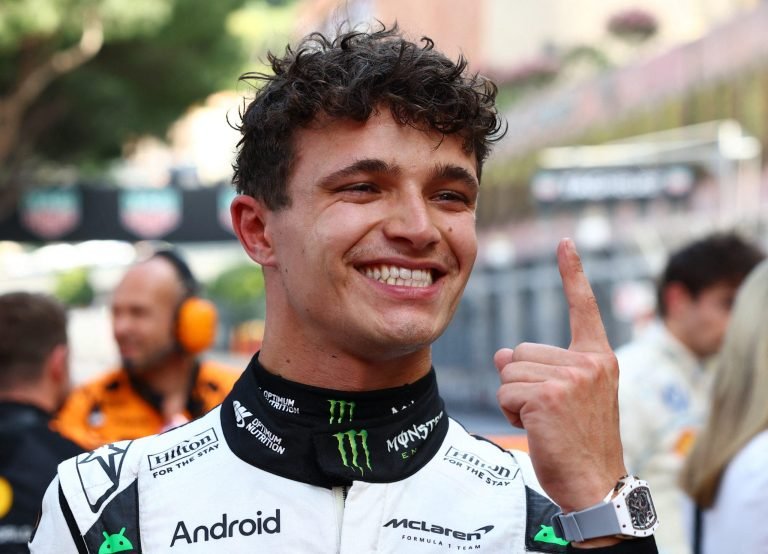
Lando Norris Claims Dutch Grand Prix Victory from Pole in Zandvoort
Zandvoort, Netherlands, 23 August (Eurotoday) – Lando Norris won the Dutch Grand Prix from pole position on Sunday, taking his second Formula One victory in succession as McLaren finished ahead of Mercedes drivers Kimi Antonelli and George Russell at Zandvoort.
Norris completed the 72-lap race 11.536 seconds ahead of championship leader Antonelli. Russell finished third, with Lewis Hamilton four
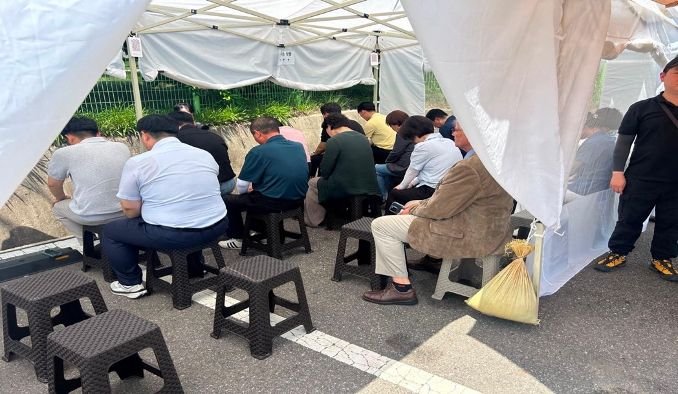
I Visited Chairman Lee Man-hee in Prison in Seoul
HRWF Report on Visiting 95-Year-Old Chairman Lee Man-hee of the Shincheonji Church of Jesus. He is in pre-trial detention during an extreme heatwave and questions whether Korean law’s supervised alternatives should be used.
Thursday, 6 August 2026 at 2:00 pm. The detention-centre visiting room is a little more than four metres square. In front of us, a wall of double glass perhaps ten centimetre
Leave a Reply