



Since Saddam Hussein’s fall in 2003, Iraq has faced a complex restructuring of its religious and political landscape. The Shiites, now in power after years of marginalization, have revealed a deep internal divide rather than the promised unity. Two conflicting visions exist: one is radical and orthodox, influenced by Iran’s theocratic model of Wilayat al-Faqih, which prioritizes religious leaders over politicians. The other is liberal and reformist, rooted in the Najaf tradition, emphasizing the primacy of a civil state over clerical influence.
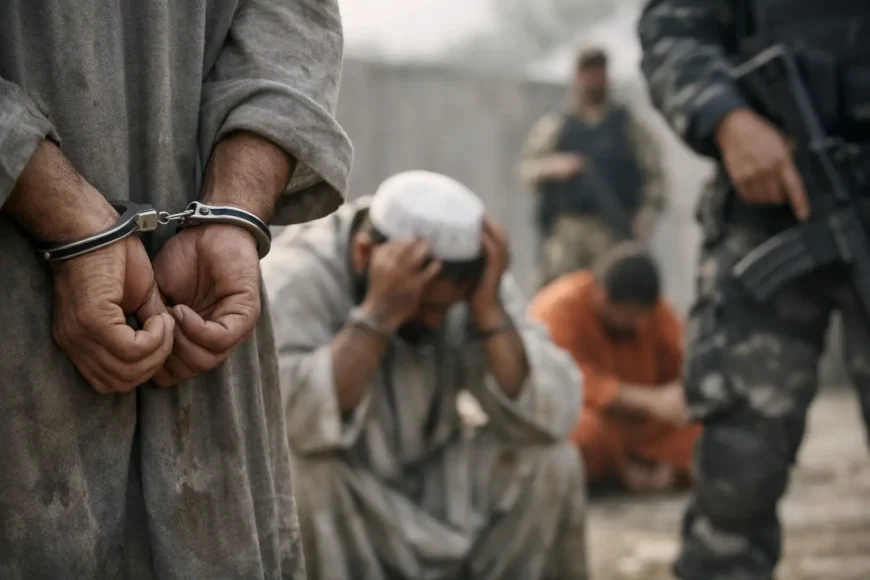
The radical-orthodox camp, influenced by marjaʿism, sees grand ayatollahs at the center of spiritual and sometimes political life, inspired by Iran’s 1979 Islamic revolution. Tehran’s influence has enabled this hardline stance in Iraqi society, especially after the American invasion and the rise of Iran-aligned Shiite parties. The creation of Hashd al-Shaabi militias in 2014 to combat Daesh further entrenched this stance, with groups like Kataeb Hezbollah and Asaib Ahl al-Haq advocating for an Islamic state. Moqtada al-Sadr embodies this camp’s ambiguity, alternating between opposition to American forces and rivalry with pro-Iranian factions. This vision subordinates the state to religion, hierarchizes citizenship by religious affiliation, and views violence as political regulation, leading to institutional fragmentation and dependence on Iran.
In response, liberal Shiism offers a different role for religion and state, rooted in Najaf’s intellectual tradition. Ayatollah Ali al-Sistani, Najaf’s supreme moral figure, represents this liberal current, advocating for religious leaders to guide consciences but not govern directly. Liberal Shiism supports an inclusive civil state open to all Iraqis, viewing democracy as a tool for justice and coexistence. It rejects militia logic, advocating for strong, legitimate institutions. This vitality was evident in the 2019-2020 protests, where young people opposed corruption and sectarianism. Sistani supported their call for reforms, marking a generational shift.
This internal struggle within Shiism is crucial to Iraq’s destiny. The radical camp holds influence but the liberal camp, supported by youth and Najaf’s clergy, seeks inclusive citizenship and national sovereignty. Iraq faces a strategic choice: remain in an unstable theocratic model or pursue the rule of law. The outcome will impact the Middle East, as Iran supports the radicals, while the US, Gulf states, and Europe watch Iraq, a key energy and geopolitical hub. Turkey also monitors the fragile balance due to the Kurdish issue. Iraq’s future hinges on this power struggle within Shiism, with potential for a new form of citizenship if the liberal vision prevails, avoiding external control and sectarianism.



Leave a Reply