


London, United Kingdom, January 2026 — According to Eurotoday Newspaper, that a growing movement of artists, curators, and cultural institutions is transforming galleries into arenas of reflection as Middle East conflict art gains unprecedented visibility amid continuing diplomatic deadlock surrounding the Middle East crisis UN. Across London and other global cultural capitals, exhibitions are reframing war, displacement, and humanitarian suffering through visual narratives that resonate far beyond traditional political discourse.
The rise of Middle East conflict art in 2026 reflects a moment when international diplomacy, media coverage, and public protest increasingly intersect with cultural expression. As negotiations stall within the Middle East crisis UN framework, artists are stepping into the space between policy language and lived reality, offering emotional clarity where political consensus remains elusive.
Art Responding to a Prolonged Regional Crisis
For decades, conflict in the Middle East has shaped artistic production across the region and its diaspora. In recent years, however, Middle East conflict art has taken on new urgency as violence, displacement, and humanitarian emergencies dominate global headlines. Artists are responding not only to events on the ground but also to the international mechanisms tasked with addressing them.
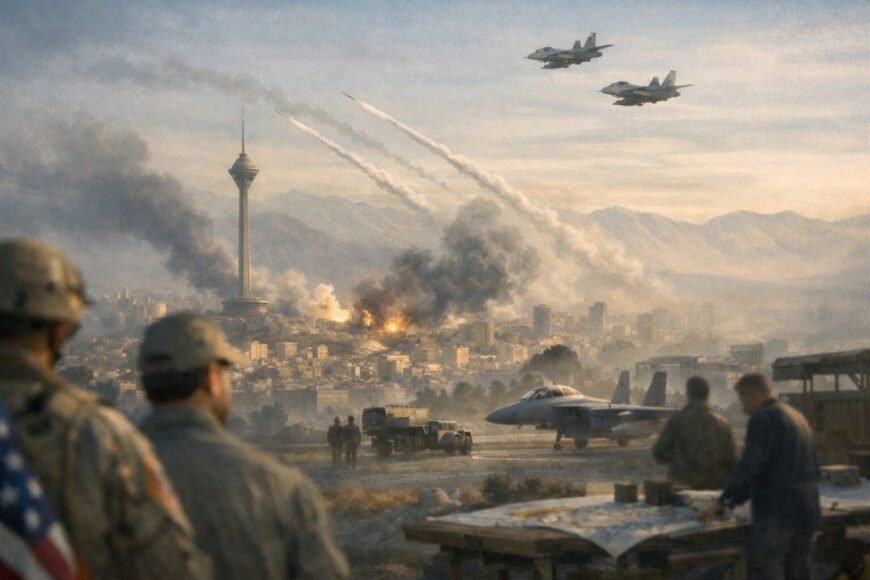
Many of the works currently on display reference imagery familiar from Middle East crisis UN briefings: maps marked by fragmentation, empty chairs symbolizing stalled negotiations, and abstract forms representing lost civilian lives. Rather than illustrating specific battles, Middle East conflict art often focuses on absence, memory, and the psychological toll of prolonged instability.
London as a Global Cultural Platform
London’s status as a global cultural hub has made it a focal point for exhibitions addressing international crises. Galleries hosting Middle East conflict art report heightened attendance, with visitors drawn by a desire to understand the human dimension of geopolitical events.
Curators explain that London’s diverse population creates a unique environment where perspectives shaped by migration, diplomacy, and activism converge. In this context, Middle East conflict art functions not only as creative expression but as a catalyst for dialogue informed by the ongoing Middle East crisis UN debates.
The Influence of International Institutions
The United Nations plays a central role in shaping both political and cultural narratives around the conflict. Artists frequently draw inspiration from UN resolutions, humanitarian reports, and emergency sessions linked to the Middle East crisis UN. These references are often subtle, embedded in symbolism rather than explicit text.
By translating institutional language into visual form, Middle East conflict art bridges the gap between abstract diplomacy and personal experience. Viewers who may feel disconnected from policy debates encounter the emotional consequences of decisions made within international forums.

Visual Language and Artistic Techniques
The aesthetic approaches used in Middle East conflict art vary widely. Some artists employ stark realism, using charcoal sketches and muted palettes to convey devastation. Others favor abstraction, allowing color, texture, and space to evoke loss and resilience.
Installation art has become particularly prominent, with immersive environments inviting viewers to move through fragmented spaces that mirror displacement. Soundscapes, video projections, and found materials are often used to deepen sensory engagement. These techniques underscore the emotional weight that Middle East conflict art carries, especially in relation to the unresolved Middle East

Leave a Reply