


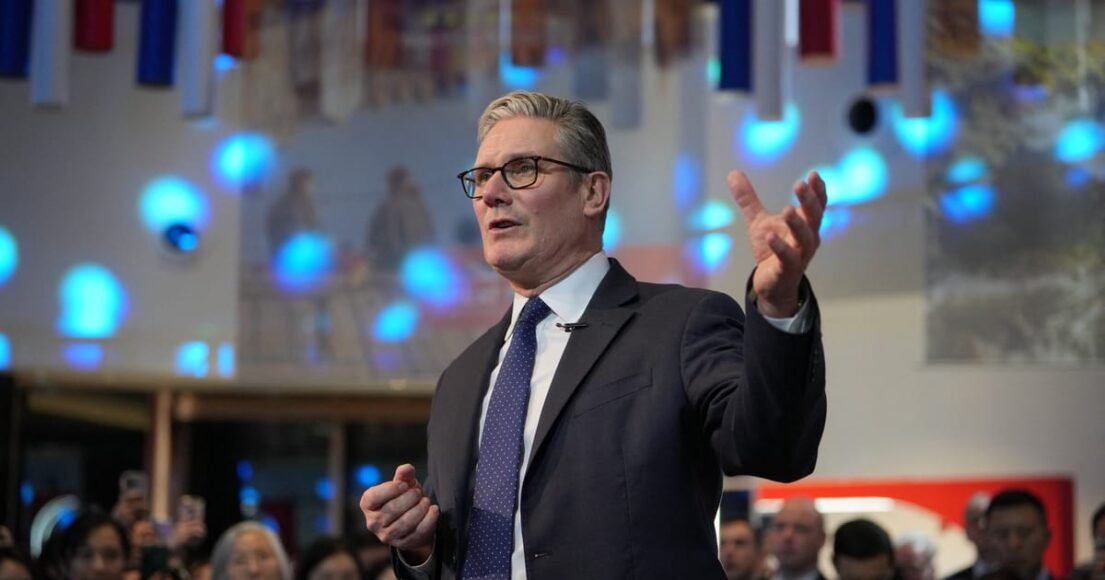
London, United Kingdom, January — A renewed international debate over moral authority and political credibility has emerged following public remarks by prominent Chinese artist and activist Ai Weiwei in the British capital. Speaking during interviews and public discussions in London, the artist challenged Western governments over their approach to global rights advocacy, bringing the Ai Weiwei human rights debate sharply back into focus at a time of heightened geopolitical tension.
His comments have resonated widely across diplomatic, cultural, and academic circles, reflecting broader unease about how universal values are defined, defended, and selectively applied in international politics.
A Cultural Figure With Global Political Reach
Ai Weiwei’s influence extends far beyond the art world. Known internationally for large-scale installations, documentaries, and outspoken political commentary, he has long occupied a unique space at the intersection of culture and dissent. His work has repeatedly challenged state authority, censorship, and institutional hypocrisy.
Observers say the longevity of the Ai Weiwei human rights discussion stems from his ability to connect personal experience with universal political questions, making abstract debates tangible to global audiences.
Why the London Remarks Matter
The choice of London as the setting for these remarks carries symbolic weight. As a global media hub and long-standing advocate of liberal democratic values, the city represents many of the principles Ai Weiwei has interrogated throughout his career.
Analysts argue that when the Ai Weiwei human rights debate unfolds in London, it gains added resonance because it confronts Western audiences directly within their own political and cultural environment.
Background of Diplomatic Friction
Human rights have been a persistent fault line in relations between China and Western governments. European and North American leaders regularly criticise Beijing’s policies, while Chinese officials dismiss such critiques as politically motivated and inconsistent.
Within this broader context, the Ai Weiwei human rights narrative has evolved into a wider examination of whether moral authority can exist without internal accountability.
China and the Question of Moral Consistency
Chinese officials frequently argue that Western governments apply double standards when addressing rights issues, overlooking their own domestic challenges. While Ai Weiwei has consistently criticised Chinese state power, his recent remarks highlight contradictions across multiple political systems.
Experts note that the Ai Weiwei human rights debate does not function as a defence of any government, but rather as a critique of selective moral judgment.





Leave a Reply