


The endorsement by Elon Musk has ignited a political uproar in Germany, with officials and politicians across the aisle accusing the billionaire of meddling in the February elections.
“By backing the AfD, Musk is bolstering forces that undermine Europe,” Germany’s Vice Chancellor and Economy Minister Robert Habeck stated in his New Year’s address, sharply criticizing Musk’s actions.
In recent days, Musk has launched a barrage of criticisms targeting Germany’s mainstream political leaders while openly praising the far-right Alternative for Germany (AfD) party. In one social media post, Musk referred to German Chancellor Olaf Scholz as “Oaf Schitz” and, in another, labeled German President Frank-Walter Steinmeier “an anti-democratic tyrant.” These provocative comments have added fuel to the already heated political climate.
Musk’s antagonistic stance toward established German politicians and his affinity for the AfD could spell trouble for Germany’s political future. His influence as one of U.S. President-elect Donald Trump’s most prominent advisers suggests that Musk’s opinions might shape the next White House’s policies toward Berlin.
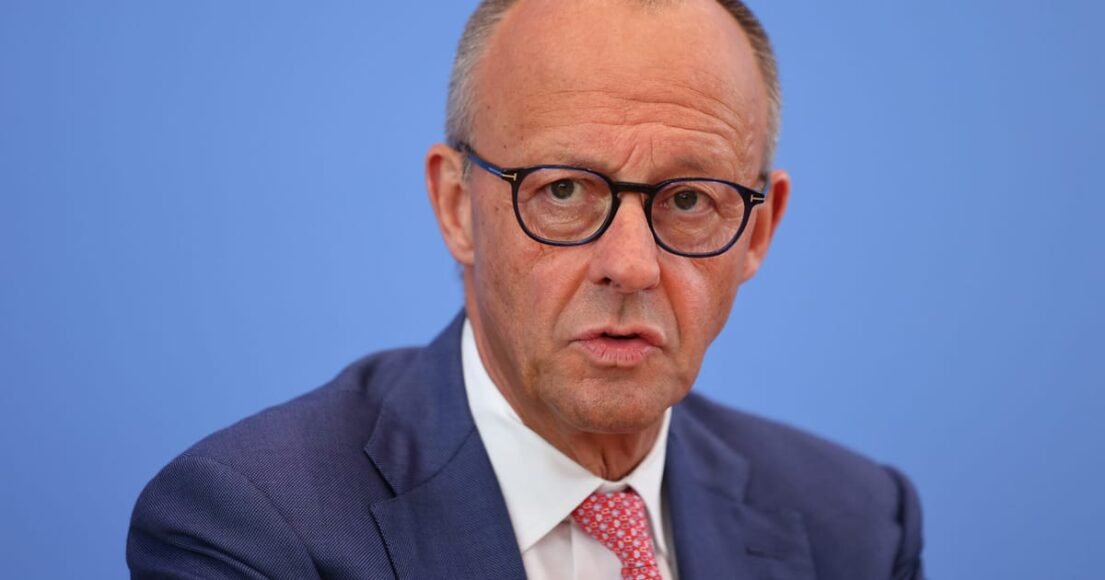
Currently, Germany’s conservative bloc, led by chancellor candidate Friedrich Merz, is leading in the polls. Merz has indicated a willingness to strike “deals” with a Trump-led U.S. administration if he wins the chancellorship.
The AfD, initially founded as a euroskeptic party in 2013, has become increasingly radical over the years and is now classified by Germany’s federal domestic intelligence agency as a suspected extremist organization. Despite this, Musk has given his public backing to the AfD, first expressing his support in a tweet two weeks ago.
Musk, known for his role as a tech entrepreneur and electric vehicle pioneer, has also recently voiced enthusiasm for other European populist and right-wing leaders. These include Nigel Farage, leader of Reform UK, as well as Italian Prime Minister Giorgia Meloni, whom Musk praised in what some described as glowing terms.
In his New Year’s address, Scholz indirectly addressed this political climate, emphasizing that while extreme opinions might dominate the headlines, “the majority of reasonable and decent people” would ultimately shape the outcome of the February election. It remains to be seen how these dynamics will unfold during this pivotal election period.





Leave a Reply