


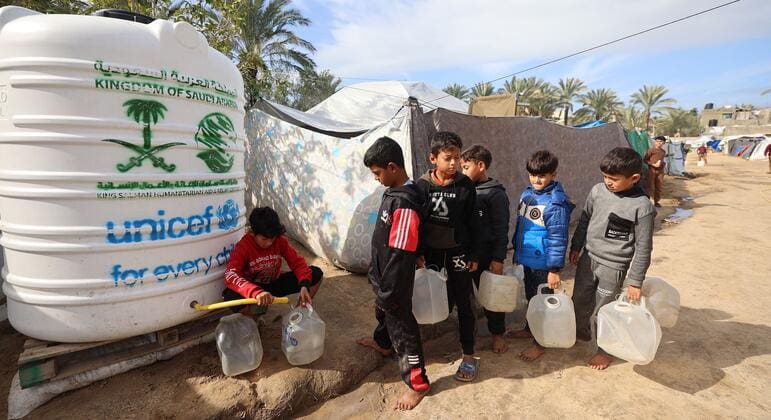
Dr. Renee Van de Weerdt, WHO’s representative in the Occupied Palestinian Territory, recently returned from Gaza and reported, “Nothing prepares you for Gaza.” Despite being her second visit, she found the situation no easier. Since the October 2025 ceasefire between Israel and Hamas, at least 880 people have died, and more than 2,600 have been injured in Gaza. Violence persists with daily gunfire and nearby bombs.
Half of Gaza’s hospitals are only partially functional, with none fully operational due to critical shortages of medical supplies. Essential items remain blocked outside Gaza’s borders, affecting healthcare severely. A prefabricated hospital and vital medical equipment have been waiting months to enter. Without laboratory equipment, diagnosing diseases and preventing outbreaks is difficult.
The lack of essential equipment threatens lives and limits the ability to detect diseases like hantavirus and Ebola. Gaza’s overcrowded and unsanitary living conditions heighten the need for urgent medical supplies. Some items are banned as “dual-use” under Israeli regulations, limiting access to essential medicines.
Prosthetic limbs are also considered dual-use, leaving around 5,000 amputees awaiting surgery and prosthetics. WHO has organized medical evacuations for thousands of patients to over 30 countries. The Rafah crossing, reopened in February, allows patients to reach Egypt, while Kerem Shalom crossing offers a complicated route to Jordan.
Medical evacuations are difficult, with limited family members able to accompany patients, and uncertain return conditions. WHO continues to advocate for evacuations and aims to enable treatment within Gaza. The UN agency UNRWA, a key health service provider in Gaza, faces complications due to Israeli bans. Last year, UNRWA provided 4.5 million medical consultations, 40% of the total in Gaza.
Dr. Van de Weerdt emphasized UNRWA’s irreplaceable role. Dr. Akihiro Seita, UNRWA’s Director of Health, noted that Knesset bills hinder the agency’s operations, leading to medicine shortages and the closure of two East Jerusalem health centers. Nearly 400 UNRWA staff died in the Gaza war, and many remain in dire conditions, some living in tents. One staff member expressed feeling abandoned by the world.








Leave a Reply