


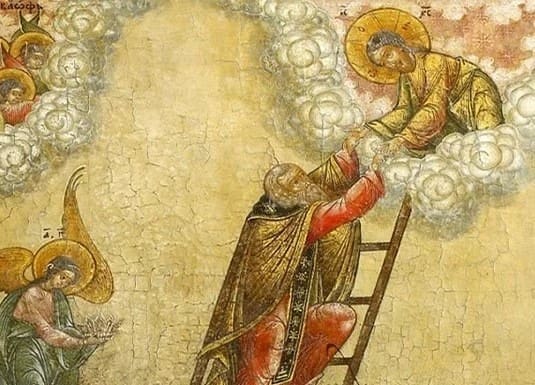
On May 14, Romania commemorated the National Day of Tribute to Communist Prison Martyrs, honoring thousands arrested by the totalitarian regime. This date marks the night of May 14-15, 1948, when the communist authorities initiated one of the largest waves of political arrests in post-war Romania. Over 10,000 individuals, including intellectuals, students, and regime opponents, were detained, investigated, and sentenced. Many ended up in communist prisons such as Aiuș, Gerla, Pitești, Szigetu Marmației, or Râmnicu Sărat. Among them were Orthodox faith confessors like Nicolae Steinhard, Arsenije Papașcoc, Iustin Parvu, Gheorghe Calțu-Dumitreaș, St. Dumitru Staniloae, and St. Sofiane of Antim.
In 2024, some faith confessors who suffered in communist prisons were canonized by the Romanian Orthodox Church, with the solemn proclamation of the canonization occurring in 2025. This year was designated by the Romanian Patriarchate as the Year of Remembrance of Romanian Orthodox Clergy and Confessors of the 20th Century.
The National Day of Honor for Martyrs of Communist Prisons was established by Law No. 127, adopted by the Romanian Parliament and promulgated in 2017. This law mandates central and local authorities, cultural institutions, and public media to organize events commemorating the victims of the communist regime. Activities include official ceremonies, wreath-laying, and cultural or informational programs highlighting the suffering of those persecuted for their faith and freedom. The law specifies that on May 14, public media should prioritize materials on communist repression and the events of 1948.
The Romanian Orthodox Church commemorates May 14 with prayerful remembrance and events for those who suffered in communist prisons. In churches, monasteries, and memorial sites, funeral services and prayers are held, along with talks, conferences, pilgrimages, wreath-laying, and meetings dedicated to the testimony of clergy, monks, intellectuals, and laypeople persecuted for their faith and freedom. Sites associated with communist repression, such as Ayud, Sighetu, Pitești, and other former prisons and memorials, hold particular significance. Following the canonizations of Romanian clergy and confessors who suffered in the 20th century, the day assumes a clearer ecclesiastical dimension.
The Church’s role in this remembrance is vital because silence or the absence of a moral assessment from a spiritual authority leaves society without a reference for distinguishing between good and evil. Where communism is not identified as a repressive and God-fearing regime, nostalgia, historical confusion, an inability to differentiate between victim and executioner, and dangerous sentiments toward a system that persecuted human dignity, freedom, and faith may emerge.








Leave a Reply