


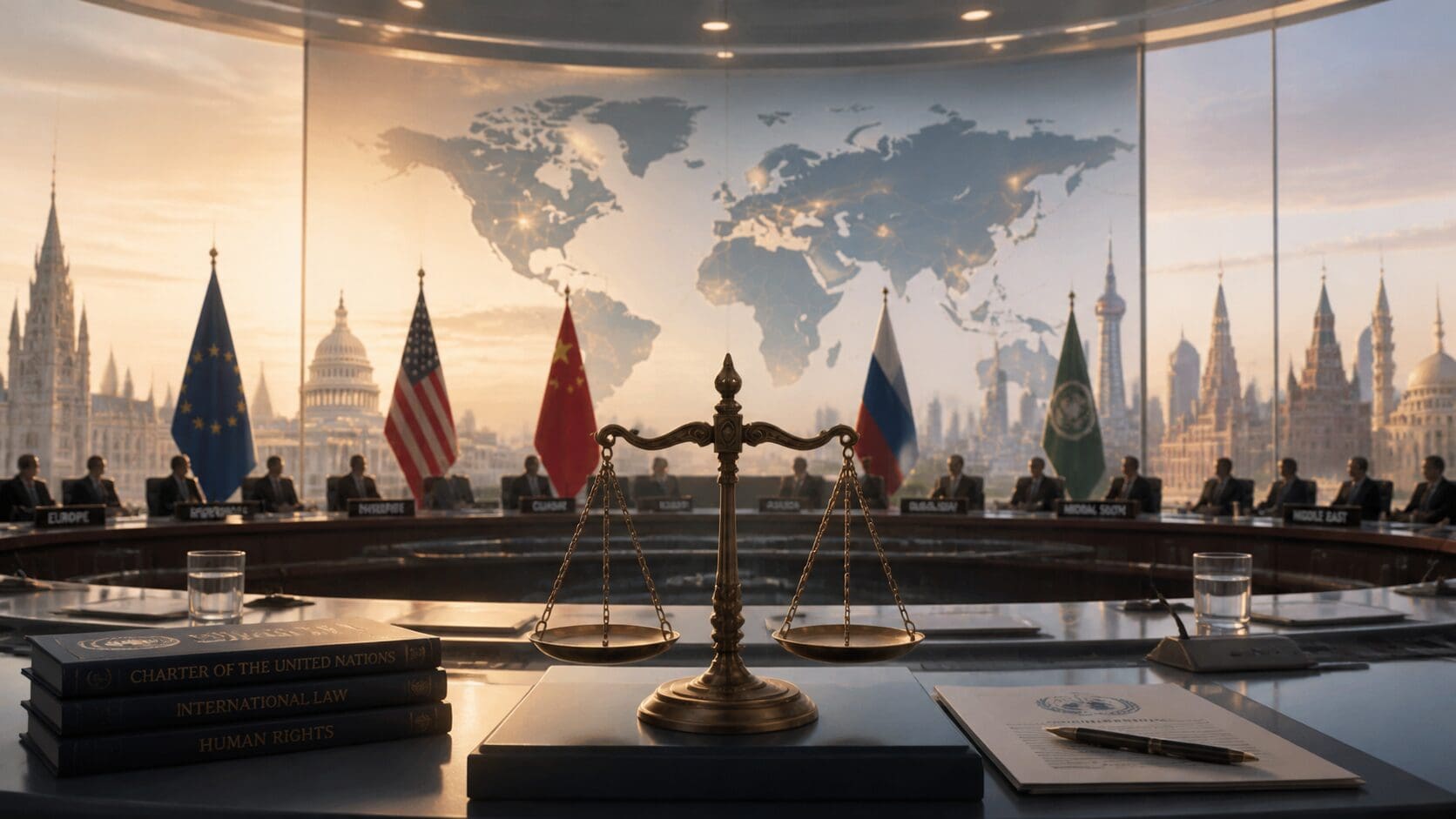
Rising tensions and confrontations involving the United States, Israel, and Iran have transcended regional conflicts, symbolizing a profound shift in global politics. The reactions of major powers, regional actors, and the Global South reveal an emerging reality: the challenge of a single power shaping international outcomes without meaningful resistance is growing.
Bashy Quraishy
Secretary General – European Muslim Initiative for Social Cohesion – Strasbourg
Thierry Valle
Coordination des Associations et des Particuliers pour la Liberté de Conscience
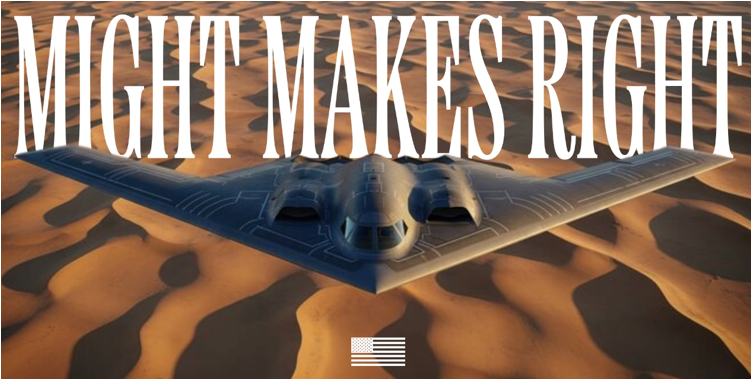
The Rise of the Unipolar World
The collapse of the Soviet Union in 1991 marked the start of the so-called “unipolar moment.” The United States emerged as the world’s leading military power and the principal architect of the global economic and political order. Institutions like the International Monetary Fund, the World Bank, NATO, and the U.S.-centered financial system expanded their influence during this period.
Supporters of the unipolar order claimed that American leadership brought stability, protected global trade routes, promoted technological advancement, and prevented large-scale wars between major powers. Globalization accelerated under this framework, benefiting many countries through economic integration into the international system.
However, critics increasingly questioned whether this concentration of power encouraged unilateralism. Military interventions in Iraq, Afghanistan, Libya, and other regions sparked intense international debate about sovereignty, regime change, humanitarian intervention, and the selective application of international law. These interventions led to perceptions in Asia, Africa, Latin America, and the Middle East that global rules were interpreted differently depending on who held power, contributing to dissatisfaction with global governance.
Iran and the Limits of Unipolar Power
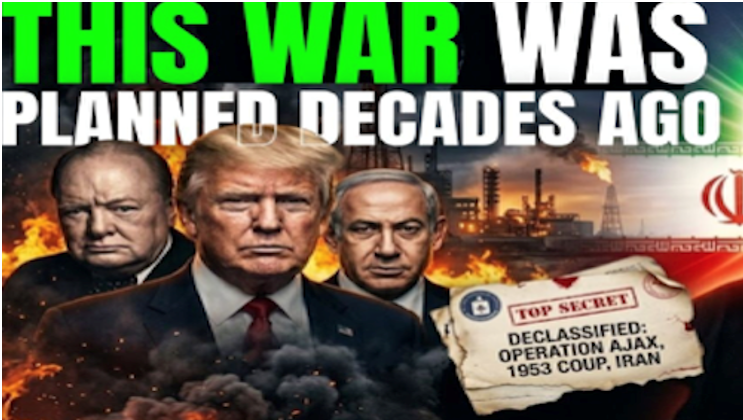
Recent confrontations involving Iran have highlighted the shifting balance of power in international relations. Despite severe economic sanctions, diplomatic isolation, and military pressure, Iran demonstrated that a regional middle power could resist and respond to pressure from militarily superior states. Regardless of political positions on the conflict, the broader geopolitical implications are significant.
The crisis’s significance lies not only in military exchanges but also in the international reactions they generated. Unlike in earlier decades, global alignment behind Washington was neither automatic nor universal. China and Russia openly criticized escalation and diplomatically aligned closer to Iran. Many Global South countries condemned conflict expansion and called for restraint, dialogue, and respect for sovereignty.
Several European governments adopted more cautious and independent positions than expected during earlier periods of American dominance.
These developments indicate a crucial shift: global power is no longer as concentrated in one political center as it once was.
The Emergence of Multipolarity
A multipolar world is one where several major powers coexist, compete, and cooperate simultaneously. Today’s international environment, characterized by China’s emergence as an economic superpower, Russia’s strategic resilience, India’s growing influence, BRICS expansion, and regional actors’ assertiveness, points toward a redistribution of global power.
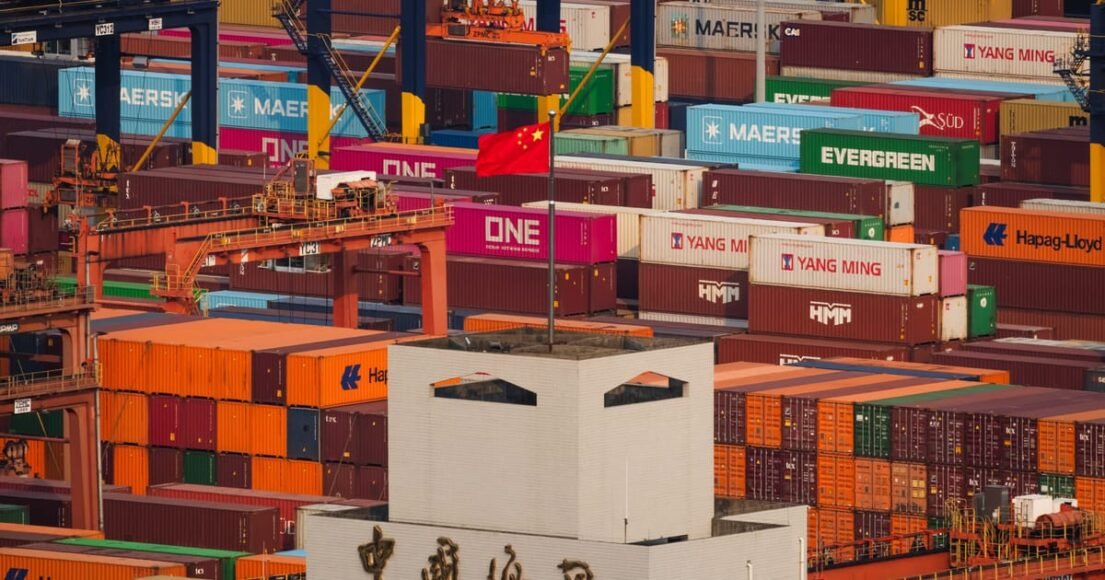
China’s rise has been transformative. Through trade, infrastructure investment, advanced manufacturing, and technological development, Beijing has emerged as a global actor capable of challenging Western economic dominance. Russia, despite sanctions and geopolitical isolation efforts, continues to exert military and strategic influence beyond its borders. Meanwhile, countries like India, Brazil, South Africa, Türkiye, Saudi Arabia, and Indonesia pursue more independent foreign policies aligned with national interests instead of strict bloc politics.
The expansion of BRICS reflects this broader trend. Increasingly, countries explore alternatives to Western-dominated financial institutions and discuss trade mechanisms reducing dependency on the U.S. dollar. While these alternatives remain limited, the political symbolism is significant: many states seek greater autonomy within the international system.
The Global South, long marginalized in major international decisions, is becoming more vocal. Issues like debt inequality, sanctions, climate justice, food security, and unequal representation in international institutions have strengthened demands for reform in global governance.




Leave a Reply