


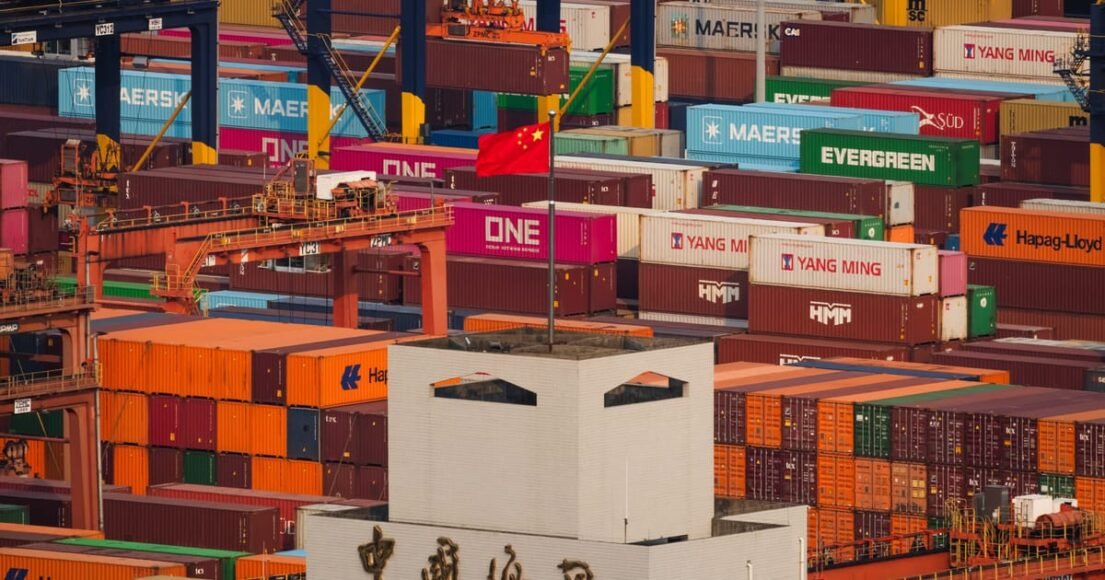
The document implicitly referred to China by emphasizing that some of the EU’s main trading partners are disrupting the multilateral framework by imposing new trade barriers or contributing to industrial overcapacity.
Signatories of the non-paper, which include all major EU economies except Germany, urged the Commission to consider more frequent safeguard investigations for sector-wide trade disruptions. They also called for the EU to be more proactive in addressing trade rule violations at the World Trade Organization and to strengthen its investigative units with more personnel.
In a move to make trade enforcement more geopolitical, the five countries proposed including “economic security” as a criterion for initiating trade defense investigations, which could lead to tariffs and sanctions.
“This approach would help preserve the Union’s production capacities in strategic sectors and value chains, thereby safeguarding the Community’s industrial base,” the signatories stated, according to the Financial Times.
Additional proposals included technical adjustments to prevent foreign companies from evading EU trade probes and granting the Commission authority to impose anti-subsidy duties directly on companies, not just countries and products.
The group also proposed a “resilience tool,” a cross-sector trade defense mechanism to be used when other tools are not applicable, and suggested additional duties or tariff rate quotas to protect European producers.
On Friday, French President Emmanuel Macron urged the EU to draw inspiration from U.S. trade measures to protect strategic industries, with “global imbalances,” including China’s export practices, being a top priority for the G7 summit France will host in Evian-les-Bains on June 15.



Leave a Reply