


The EU possesses a defence clause. However, does it have a concrete strategy? This question surfaced during an interview with Andrius Kubilius, European Commissioner for Defence and Space, conducted by the European Newsroom (enr) in Brussels.
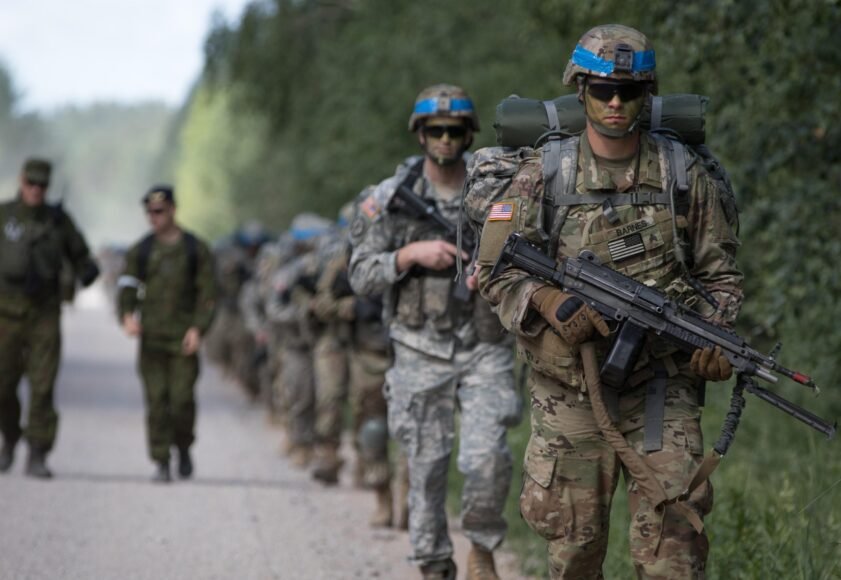
Kubilius emphasized the necessity for the European Union to enhance its internal defence capabilities and lessen its dependence on external suppliers, especially the United States, for essential military hardware and technologies.
He also warned the EU to brace for a possible decrease in US military presence in Europe, highlighting the urgent need for increased strategic autonomy. Furthermore, the former Lithuanian prime minister pointed out that Washington might find it challenging to maintain its level of military support for Kyiv, as global focus shifts from Russia’s conflict with Ukraine to the situation in Iran.
The EU defence chief advocated for a more prominent role of the EU’s mutual defence clause—Article 42.7 of the Treaty on European Union—which mandates that in case of an attack on any EU member state, all others must come to its aid. According to Kubilius, the bloc requires a “playbook” to ensure the clause is manageable and effective in real scenarios.
The Commissioner also recognized the significance of EU enlargement as a strategic investment in Europe’s security and defence. Reflecting on his home country Lithuania, which joined the EU in 2004, he stated that EU membership fosters economic and social development, prosperity, and stability, all of which he deemed crucial for the future of European defence.
This interview was carried out by reporters from partner agencies of the European Newsroom, including dpa (Germany), ANSA (Italy), EFE, Europa Press (both Spain), Lusa (Portugal), and STA (Slovenia). Audiovisual support was provided by TotalEU Production.
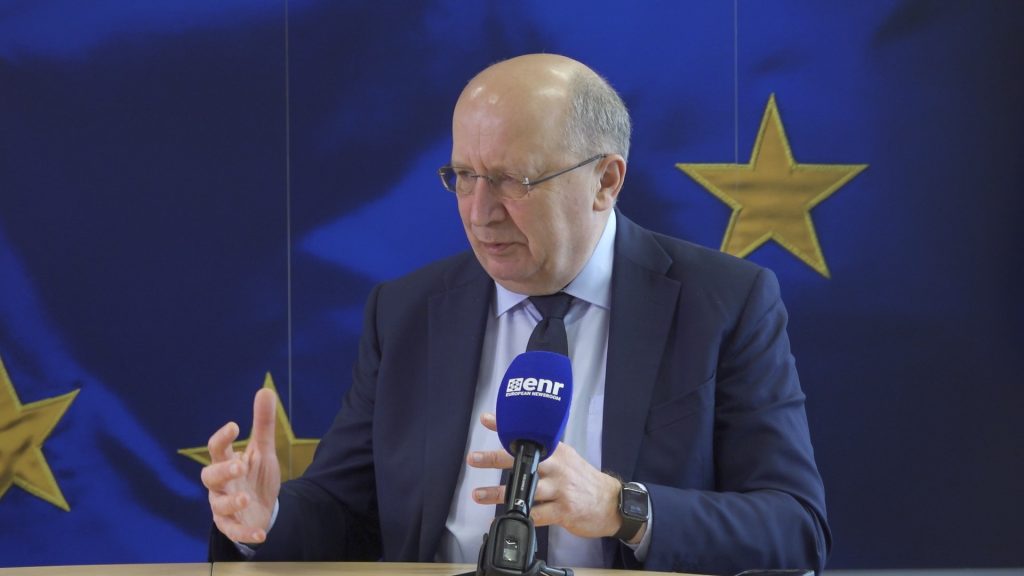
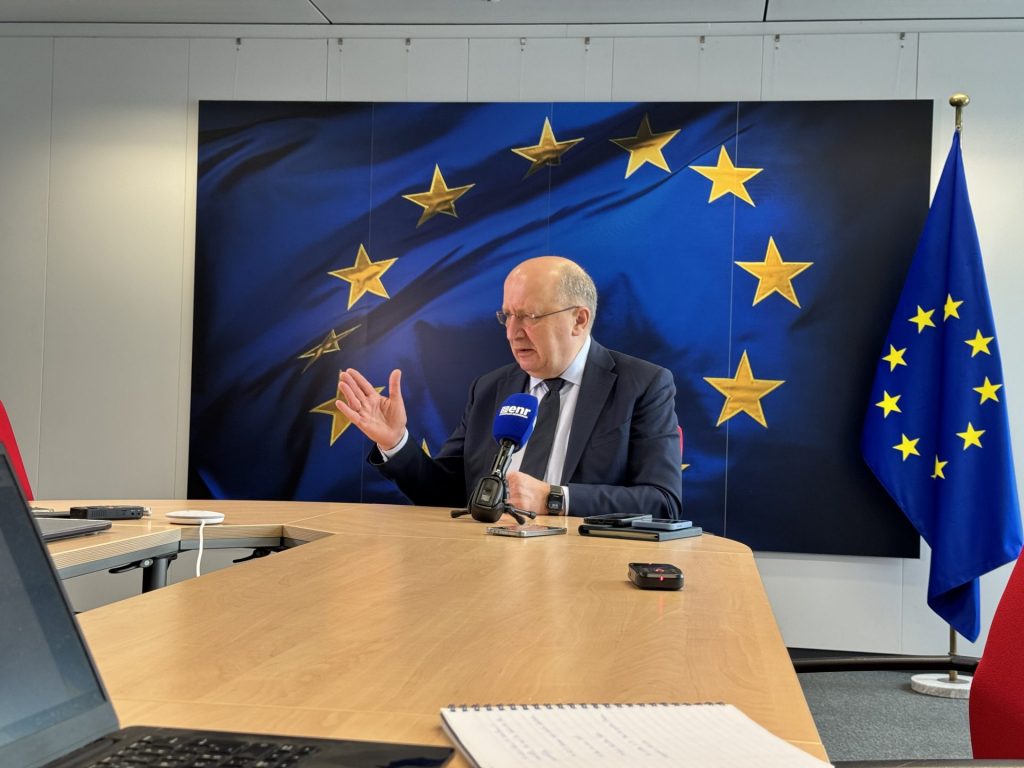
More impressions from the interview. Photos: ANSA/European Newsroom (left) / Iván Zambrano/Europa Press (right)

Leave a Reply