


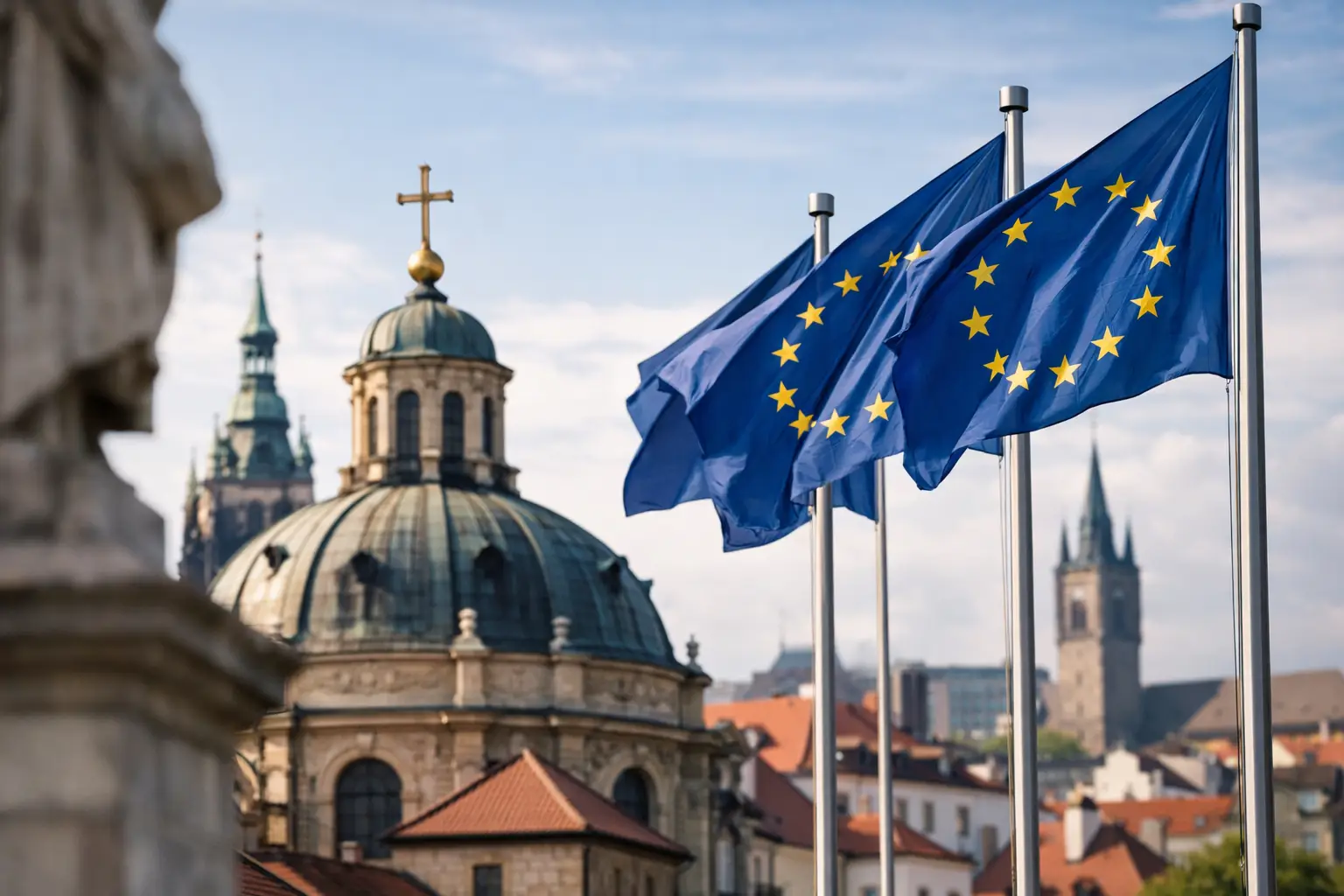
Religion in public life is a central issue in Europe, intertwined with debates about power, equality, identity, and state reach. It can’t be dismissed as a private matter without misreading European history and laws. The challenge is determining the terms of religion’s role in public life. Liberal democracies must govern fairly amidst conflicting beliefs and rights, requiring legal precision and a commitment to freedom of religion or belief for all, including the non-religious.
Religion frequently appears in European policy debates, influencing education, health care, migration, and more. Public institutions’ decisions on funding, recognition, and inclusion can either bolster pluralism or create hierarchies of acceptable beliefs. Europe’s overlapping legacies of established churches, secular traditions, and post-communist histories complicate these matters further.
Secularism doesn’t inherently ensure fairness. How it’s defined and applied matters. Secular states might still allow religious expression, while others might use secularism to restrict visible minorities, often disproportionately affecting those whose faith includes public expressions. Legitimate state interests exist, but restrictions should be necessary, proportionate, and consistently applied, addressing real public needs rather than discomfort with unfamiliar beliefs.
Public religion critics argue it can lead to domination, but dismissing all religious arguments in public life is also erroneous. Citizens bring moral convictions from various sources into public debate. Religious organizations can advocate for policy issues but shouldn’t expect immunity from scrutiny when seeking public resources or influence.
Schools are where these issues manifest intensely, shaping civic identity and authority interactions. Disputes over religious education, symbols, and admissions reflect broader societal anxieties. Context matters, and public authorities should be cautious in turning majority unease into policy. The state bears the proof burden when limiting fundamental freedoms.
Freedom of religion or belief must include those rejecting religion. It protects believers, dissenters, atheists, agnostics, and the indifferent, covering the right to manifest belief and avoid coerced observance. Democratic states shouldn’t impose or marginalize religion; they should protect conscience in all directions.
Europe’s policy challenge is practical: managing pluralism, distinguishing accommodation from special pleading, and protecting anti-discrimination laws while respecting religious community autonomy. These practical issues influence public trust in institutions.
Mismanagement leads to civic costs, while principled consistency can lower societal tensions, fostering acceptance of fair outcomes. Watchdog scrutiny is vital for democratic accountability, ensuring governments don’t misuse heritage or security justifications for unequal treatment.
A fair approach to religion in public life demands common discipline, universal rights protection, evidence-based restrictions, transparency, equal treatment, and education for pluralism. Courts should avoid majoritarian and ideological biases.
Conflict over religion is inevitable, but European democracies must ensure no citizen is marginalized for their convictions. A mature society demonstrates its principles through governance amidst disagreements.






Leave a Reply