


The upcoming Clean Industrial Deal, scheduled for release on February 26, promises to feature “an emergency and strategic plan for certain struggling sectors as well as a long-term vision for all industries,” according to officials. The initiative is designed to function as a “business plan,” clearly outlining the levels of investment and skilled labor required to drive industrial transformation.
The European Commission is also drafting emergency measures for energy-intensive industries such as steel, aluminum, metals, cement, and energy production to address their specific challenges.
To stimulate demand, officials plan to introduce decarbonized public procurement markets. This includes integrating public procurement clauses that prioritize “made-in-Europe” products and promoting a green industry label. Notably, this effort will establish a market for green steel, which currently does not exist.
Strategic Sectors and Innovation
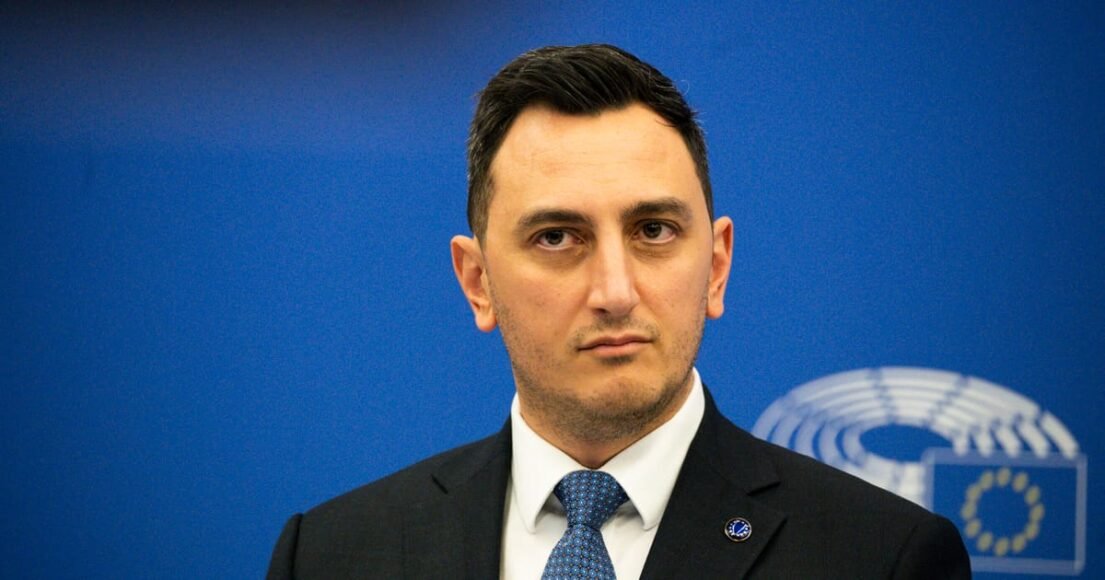
In a bid to highlight the pivotal role of chemicals, referred to as the “industry of industries,” Séjourné is urging the inclusion of the chemical sector as part of Europe’s strategic sectors. Additionally, industries like cleantech, biotech, and those leveraging advanced technologies to enhance productivity are being positioned as an “industrial flagship” for the EU. Support will be directed toward helping these sectors scale up, ensuring their competitiveness on the global stage.
Navigating U.S. Relations
Ahead of the return of Donald Trump to the White House, Séjourné emphasized the EU’s need to adopt a strategy that is both defensive and offensive in its dealings with international competitors, including the United States. The aim is to bolster Europe’s industrial base while protecting its economic interests on the global front.
The Clean Industrial Deal represents an ambitious framework to transition key industries towards sustainability, supporting innovation while safeguarding Europe’s strategic autonomy amidst increasing global competition.






Leave a Reply