


The war between Russia and Ukraine has entered a prolonged phase that few predicted at its outset. What was initially framed as a short and decisive operation has instead become a grinding conflict with global consequences. Energy markets, food supplies, military alliances, and diplomatic norms have all been reshaped. As the war drags on, policymakers and the public alike continue to ask what conditions could realistically bring the fighting to an end and whether Russia Ukraine peace is achievable under current circumstances.
Ending this war is not a matter of a single concession or battlefield breakthrough. It depends on a convergence of military realities, economic pressures, political calculations, and diplomatic opportunities. Understanding how these forces interact is essential to understanding what it would take for the conflict to finally stop.
Decision Making Inside the Kremlin
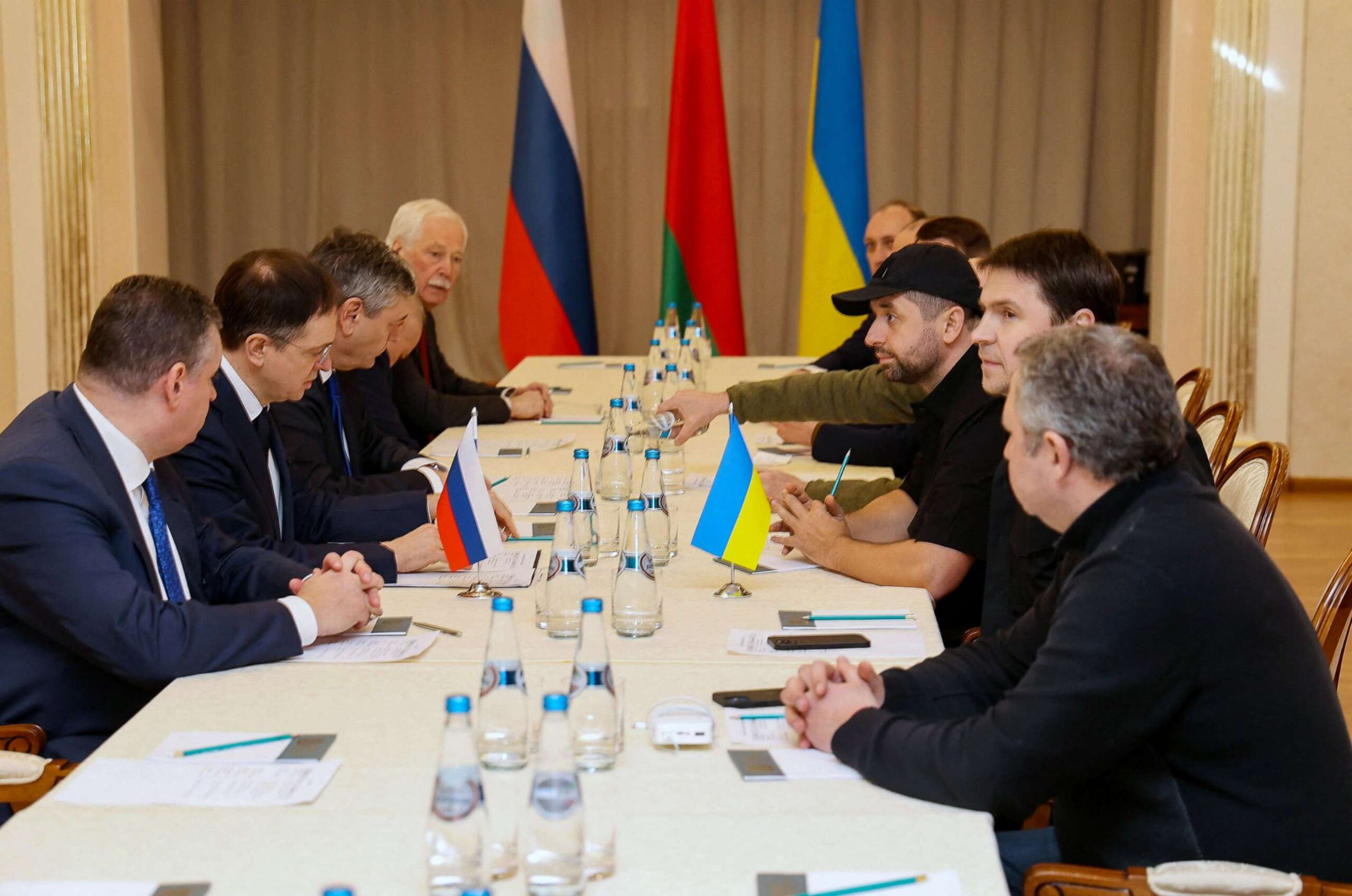
At the center of the conflict is a political system built on centralized authority. Strategic decisions are made by a small circle surrounding Vladimir Putin, where military objectives are closely tied to regime stability and national identity. Any move toward Russia Ukraine peace must align with internal political survival, not just international expectations.
In such systems, leaders rarely reverse course publicly unless the cost of continuation clearly exceeds the cost of compromise. This makes symbolic victories, narrative control, and domestic perception critical factors. A peace outcome would need to be framed internally as strength, not retreat.
Military Reality and the Limits of Force
Wars often end when one side can no longer achieve its objectives at an acceptable cost. In Ukraine, the battlefield has demonstrated resilience, adaptability, and sustained resistance. Western military assistance has fundamentally altered the strategic balance, preventing decisive outcomes while raising the cost of continued operations.
As equipment losses mount and manpower strains grow, the feasibility of achieving maximal goals diminishes. When military leaders begin prioritizing force preservation over territorial ambition, strategic thinking shifts. In that environment, Russia Ukraine peace becomes less about ideology and more about damage control.
Economic Pressure and Long-Term Strain
Economic sanctions have not caused immediate collapse, but their cumulative effect is significant. Restrictions on technology imports, financial systems, and energy markets have forced structural adjustments that are difficult to reverse. Short-term workarounds exist, but long-term growth prospects are constrained.
Economic stress becomes politically dangerous when it impacts daily life. Inflation, reduced investment






Leave a Reply