


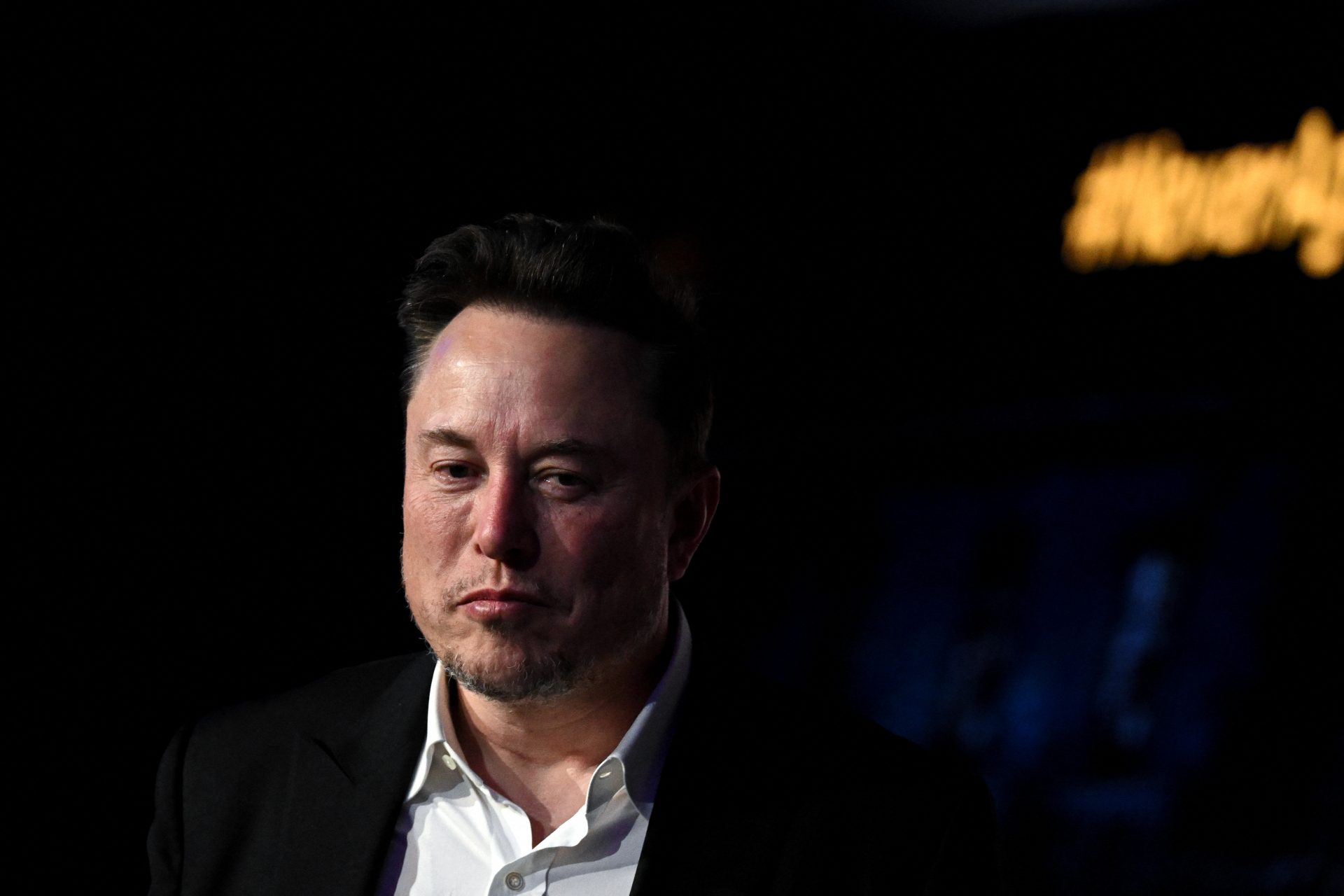
On Friday, the European Commission levied a fine of 120 million euros against platform X, owned by billionaire Elon Musk, for failing to comply with the Digital Services Act (DSA) regarding transparency. The Chinese platform TikTok managed to evade penalties for similar transparency issues, as the EC determined it had adequately responded to their inquiries.
This fine marks the first instance of the EC penalizing a digital giant since the DSA’s enactment.
Following a two-year investigation into X, the Commission identified three violations of the DSA: misleading use of the “blue check mark” for user verification, lack of a transparent advertising repository, and non-compliant data provision for research.
Fines for DSA violations can reach up to 6 percent of a tech company’s annual global revenue. An EU official, speaking anonymously, commented that this fine’s amount is determined by the severity of the violations, not by the maximum potential percentage that could be imposed. They noted that this investigation focused on transparency, while other investigations regarding misinformation and illegal content are still ongoing.
The Commission assessed that X misleads users through its “verified accounts” interface, where anyone who pays can attain a blue check mark, undermining users’ ability to make informed decisions about the authenticity of accounts and content. Additionally, the platform lacks a searchable advertising repository and does not provide public data to researchers as required by the DSA.
The Commission also scrutinized Musk’s political activities in Europe, including an interview he conducted in January with Alice Weidel, leader of the far-right Alternative for Germany (AfD) party. If the platform had elevated this conversation’s visibility among users, it would be a DSA violation.
While Musk’s collaboration with former US President Donald Trump has concluded, the US administration remains critical of the EU’s digital policies. The EU aims to hold digital giants accountable for the content they host and to prevent them from misusing their market dominance against smaller companies.
Before the EC released its decision, US Vice President J.D. Vance cautioned against penalizing X, emphasizing that the EU should champion free speech rather than unjustly target American companies.
In August, Trump threatened tariffs on nations that impose digital taxes or regulations limiting big tech. In late November, US Commerce Secretary Howard Lutnick indicated that the US would reconsider high tariffs on EU steel and aluminum if the EU adopted his suggestions regarding digital policy.
On the same day, the EC concluded its investigation of TikTok concerning advertising transparency, stating, “TikTok has proposed a comprehensive set of commitments that address our concerns.”
However, TikTok remains under investigation related to its political advertising policies following the annulment of Romania’s first-round presidential election results in December 2024, based on information from declassified intelligence reports provided by Romanian authorities.
Major digital firms with a dominant market position in the EU are subject to the Digital Services Act (DSA) and the Digital Markets Act (DMA). The DSA outlines requirements for large digital platforms and internet search engines on matters such as content moderation, algorithm use, combating misinformation and hate speech, and labeling political content. Some provisions of the DSA have been in effect since November 2022, with full implementation commencing in February 2024. (05.12.2025)











Leave a Reply