



Baku (Eurotoday) – The EU proposed $300 billion annually for climate aid to developing countries, but discussions remain tense.
The European Union presented an offer by rich nations to assist poor countries worst struck by climate change to US$300 billion a year in a bid to salvage discussions that the developing world cautioned were on the brink of collapse.
As reported by Channel News Asia, two negotiators expressed the EU was insisting that blank” rel=”noopener”>wealthy countries—whose ranks also include the United States, Britain, and Japan—boost the sum to US$300 billion. However, this came with prerequisites in other parts of the broader climate deal under discussion at the COP29 conference in Azerbaijan, the negotiators added.
Will EU demands for annual reviews derail the deal?
The Europeans in separate want an annual review of global measures to phase out fossil fuels, which are the primary drivers of global warming. This has run into opposition from Saudi Arabia, which has aimed to water down a landmark commitment to transition away from oil, gas and coal made at COP28 last year.
Irish climate minister Eamon Ryan expressed he was “hopeful” for a deal but that a more precise picture would emerge later in the day when a new text is expected.
“We need to get an agreement. This is important that we give hope to the world, that multilateralism can work, that we are responding to the climate crisis,”
Ryan said. He stated there was a recognition of the need for more money for the developing world,
“but also we have to put a halt to the advance of fossil fuels”.
Moreover, Ali Mohamed, chair of the African Group of Negotiators said that there had been “good discussions” on finance after the initial US$250 billion offer which he called “a big mockery”. He stated that developing nations had made it obvious that a lack of movement would
“lead to a failure of COP”.
“No deal is better than a bad deal,”
he expressed.
Comments
6 responses to “EU Unveils $300 Billion Annual Climate Aid Plan for Developing Nations”
-
Oh great, just what the world needs: another $300 billion plan that sounds more like a charity bake sale than a serious climate strategy. 🍰 If only we could convert all this hot air into clean energy, we’d save a fortune!
-
Oh, brilliant! Let’s just sprinkle $300 billion around like confetti and hope that will magically fix climate change while keeping the fossil fuel party going. Who needs actual solutions when we can just throw money at the problem, right? 💸😏
-
Oh, brilliant! Just what the world needs—another lavish aid package that’ll be discussed until the cows come home, while the developing nations are left wondering if their annual budget is in Monopoly money. 💸😏
-
Oh, fantastic, another $300 billion proposal! Just what developing countries need—because who doesn’t love playing hide and seek with funds while the planet burns? 💸🌍🙄
-
Oh, splendid! Just what the developing nations needed—$300 billion a year to help them with climate change while we hand them a laundry list of strings. 🤔 It’s like giving a starving man a single potato and telling him to cook a gourmet meal! 🍽️
-
Oh, brilliant! Just what we need—another grand plan from the EU to throw money at a problem, as if the climate will magically fix itself with a few extra euros 💸. Next, they’ll suggest we water the Sahara to combat drought—sounds like a solid investment, no? 😂

Last News

Seven Proposals Funded in Horizon Europe Digital Call 2026
HaDEA is now initiating grant agreement preparations with the successful consortia of 7 proposals, which will receive a total EU contribution of €81.3 million.
For more details, evaluation results for each topic are available on t
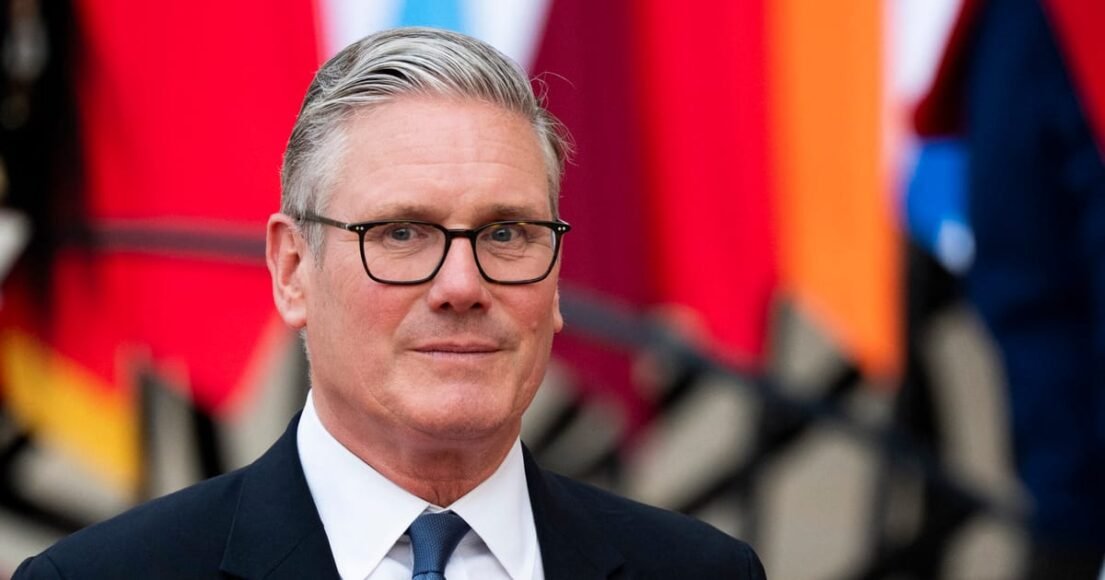
By-Election Set for Keir Starmer’s Former Seat on Oct. 8
In 2024, Starmer secured the seat with an 11,572 majority but encountered strong competition from a left-wing independent candidate and the Greens.
Green Leader Zack Polanski has put himself f
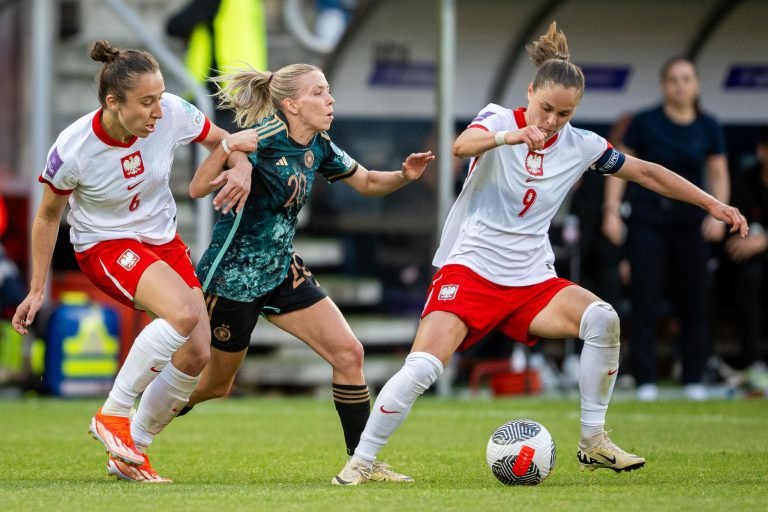
Infantino’s Attendance in Doubt as FIFA U-20 Women’s World Cup Begins in Poland
Katowice, Poland, 4 September (Eurotoday Newspaper) – The FIFA U-20 Women’s World Cup begins in Poland on Saturday, with around 15,000 spectators expected for the opening matches in Katowice, although FIFA President Gianni Infantino’s attendance remained uncertain on Friday.
Hosts Poland face Argentina on the opening day, while Mexico play tournament debutants Benin in the other Group A fixture
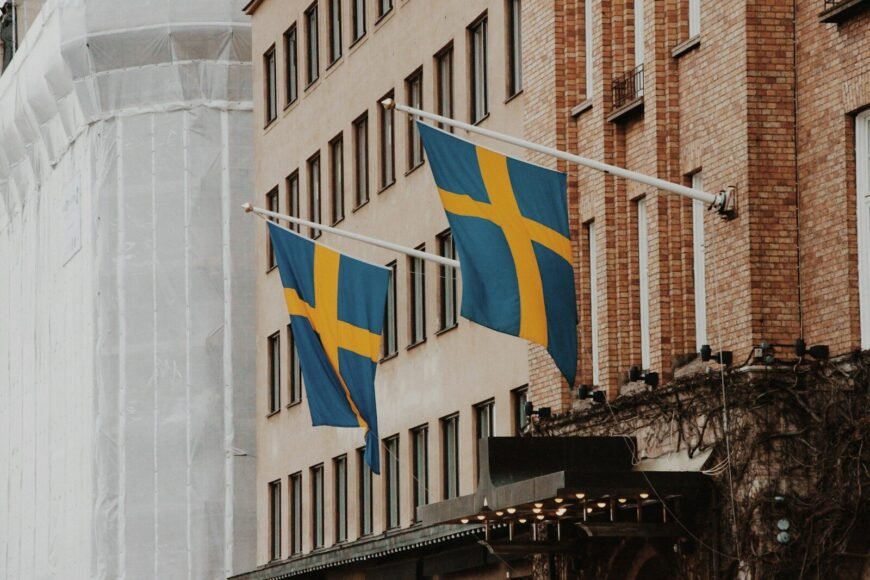
Sweden’s Inflation Remains at 0.7%
Sweden’s central inflation measure stayed well below the central bank’s target in August, according to preliminary figures released on Monday, intensifying the discussion over interest rates and household finances less than a week before the national election.
The annual inflation rate monitored by CPIF, wh
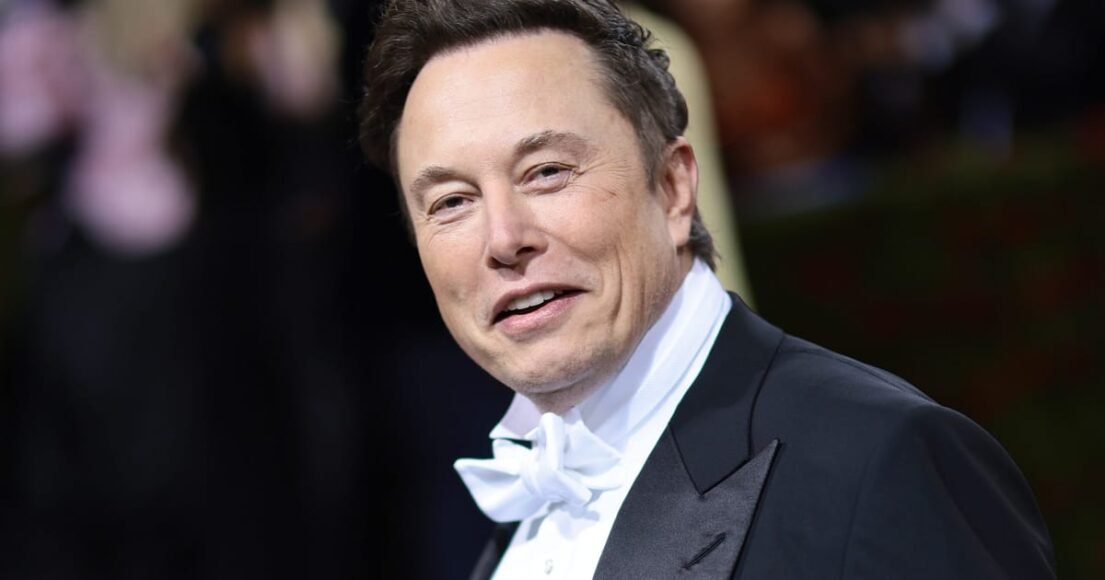
Musk Celebrates, Tusk Despairs: Global Reactions to AfD’s Election Victory
Allies across Europe celebrated. Italy’s Deputy Prime Minister Matteo Salvini congratulated his “friend” Weidel, saying: “Another Europe is possible.” Austri
Reform UK Officials Resign Amid Electoral Law Allegation in Birmingham
Birmingham, 4 September (Brussels Morning Newspaper) – Two senior Reform UK figures have temporarily stepped down after an undercover investigation raised Reform UK funding claims involving political polling allegedly financed by a foreign donor. The party denies wrongdoing and has launched an internal investigation.
The development came as Reform UK opened its annual party conference in Birming

Taiwan Travelogue Discovers Strength in Dining
Yáng Shuāng-zǐ turns food, translation and thwarted intimacy into a subtle study of colonial rule
Taiwan Travelogue, translated by Lin King, is an enchanting historical novel where abundant meals reveal a stern investigation into empire. Through the bond between a Japanese writer and her Taiwanese interpreter, Yáng Shuāng-zǐ illustrates how affection can be sincere yet distorted by privilege, cl

Germany’s Far-Right Shockwave
As Europe reacts to the AfD’s win, Zoya Sheftalovich and Nick Vinocur engage with Head of Playbook Germany, Hans von der Burchard, t

UK Construction Decline Worsens with Sharp Drop in Housebuilding, London
London, 4 September (Eurotoday Newspaper) – Britain’s construction sector contracted for a 20th consecutive month in August as a sharp deterioration in housebuilding outweighed modest improvements elsewhere in the industry. The latest UK construction PMI fell to 44.3, signalling that the sector remains under significant pressure.
The S&P Global UK Construction Purchasing Managers’ Index dec

Expiration of EU Biometric Border Safeguard
AITETAI-generated illustrationTransparency information
AI-generated images: One or more images accompanying this report were generated or substantially modified using artificial intelligence. They are illustrative and should not be understood as documentary photographs unless explicitly stated otherwise.
Schengen authorities face pressure to enforce digital checks consistently without allowi
Leave a Reply