


EU Summit: Exclusive $200B Russian Assets Aid Boost for Ukraine
As the EU summit unfolds amidst escalating tensions over the conflict in Ukraine, a significant and contentious question is at the forefront: can $200 billion in frozen Russian assets be effectively leveraged to support Ukraine? This financial debate has become a symbol of both hope and diplomatic complexity, reflecting broader challenges in the international community’s response to the crisis. The summit aims to balance political will, legal hurdles, and the urgent needs of Ukraine, while managing the potential repercussions that could arise from such an unprecedented move.
The Frozen Russian Assets
Since Russia’s invasion of Ukraine, Western countries, led by members of the European Union, have imposed a series of sweeping sanctions targeting key sectors of Russia’s economy. A critical component of these sanctions has been the freezing of Russian state-owned and oligarch-held assets abroad. The estimated total value of these frozen assets now surpasses $200 billion, encompassing bank accounts, real estate, luxury goods, and shares in major companies.
The rationale behind freezing these assets was largely twofold: to pressure the Russian government economically and to prevent these resources from financing ongoing military aggression. However, the question of what to do with these funds in the longer term has evolved. Many proponents argue that redirecting the frozen assets to aid Ukraine could provide vital financial relief, especially as the country grapples with reconstruction and humanitarian needs.
Legal and Political Challenges
Despite the clear urgency, turning frozen assets into Ukrainian aid is fraught with complexity. Legally, assets held in foreign jurisdictions must be handled according to strict international laws concerning ownership rights and due process. There is no existing international legal framework that allows direct seizure and transfer of a sovereign nation’s assets to another country, even in the context of conflict or sanctions.
The EU summit has placed this issue under intense scrutiny, with member states debating the possible mechanisms to unlock funds for Ukraine. Some advocate for the creation of a special international fund, managed by a coalition of allies, to ensure that disbursed money is spent transparently and effectively on reconstruction and humanitarian aid. Others remain cautious, wary of setting precedents or provoking retaliatory measures from Russia that could escalate the conflict further.
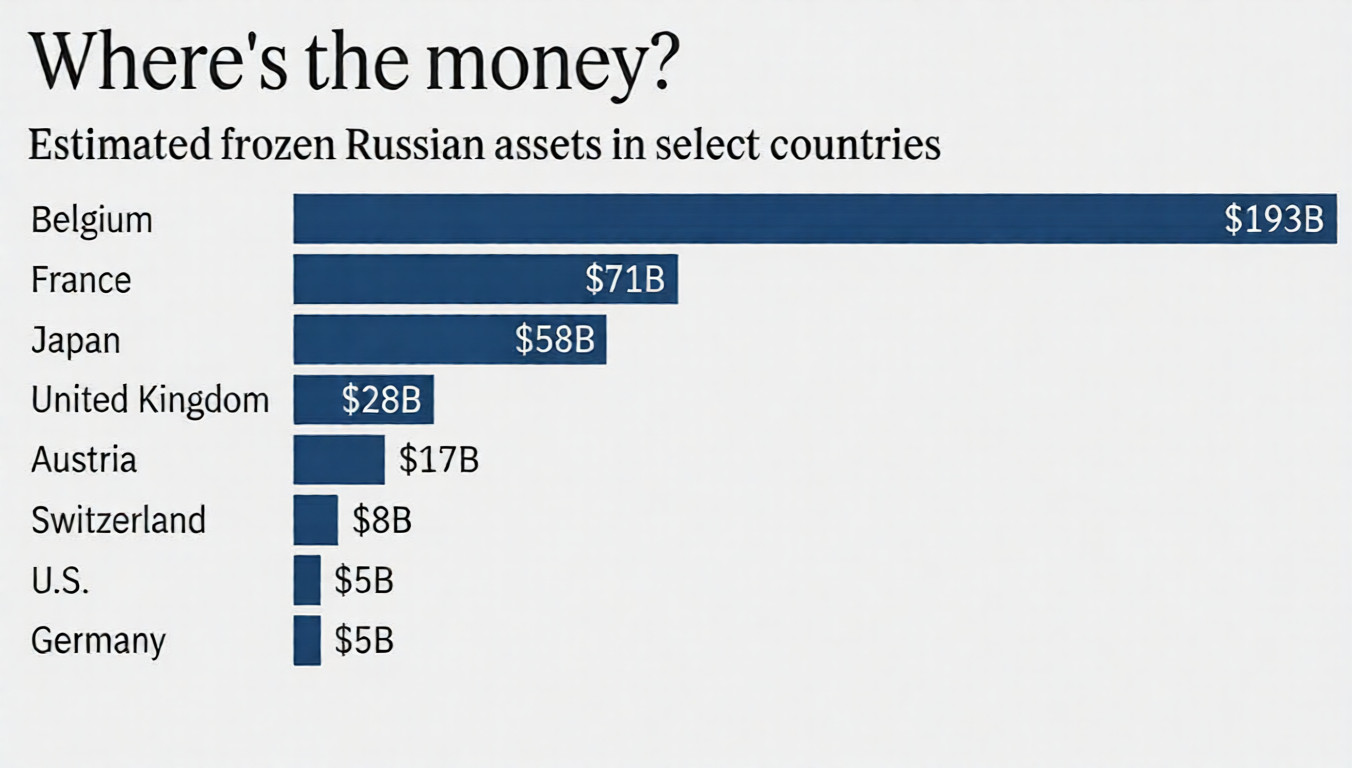
Economic Implications for Ukraine and the EU
For Ukraine, the potential access to $200 billion in frozen assets could be transformative. The war has devastated infrastructure, displaced millions, and strained public services to the breaking point. International donors have pledged billions in aid, but these resources are often spread thin across military support, humanitarian relief, and political needs. Direct injection of frozen Russian assets could enable large-scale rebuilding projects, stimulate economic recovery, and help stabilize the Ukrainian economy in the long term.
For the EU, there is also a strategic calculus. The economic fallout of the war has affected neighboring countries through energy prices, refugee flows, and disrupted trade. Supporting Ukraine’s rebuilding could contribute to regional stability and reduce the risk of prolonged conflict. However, member states are divided over the extent of financial commitments and the legal risks involved in appropriating foreign assets.
The International Response and Diplomatic Maneuvers
Beyond the EU, the issue has drawn attention from the United States, G7 nations, and international organizations such as the United Nations and the International Monetary Fund. Many global leaders express support for innovative solutions to support Ukraine, including the possibility of redirected Russian assets. U.S. officials have hinted at exploring legal pathways to facilitate this funding while ensuring it aligns with international law.
Diplomatically, the summit is also a delicate balancing act. The EU countries aim to present a united front, but internal divisions over how aggressively to confront Russia complicate consensus-building. Some member states advocate for greater solidarity with Ukraine and stronger sanctions enforcement, while others prioritize dialogue to avoid further destabilization.
Potential Scenarios for Utilizing Frozen Assets
Several actionable scenarios are being discussed at the summit:
- Creation of an International Reconstruction Fund: Pooling frozen Russian assets into a dedicated fund managed by international institutions could allow structured and monitored disbursement directly to Ukraine’s reconstruction projects.
- Direct Transfer to Ukrainian Government Accounts: While this is legally more complex, some propose that assets held in countries supportive
Comments
19 responses to “EU Summit Underway – Can $200B in Russian Assets Help Ukraine?”
-
Just what we need, a lovely $200 billion puzzle, and the EU’s playing it like a game of chess—too bad it feels more like Monopoly. 🧐 Let’s see how long it takes to find a legal loophole big enough to squeeze Ukraine’s hopes through!
-
Isn’t it charming how $200 billion in frozen Russian assets is now the EU’s great white hope for Ukraine? I mean, if only diplomacy paid as well as a proper pint at the pub, we’d be sorted by now! 🍻💰
-
Looks like we’re playing Monopoly with $200 billion of frozen Russian assets while Ukraine desperately needs a bailout. Who knew international diplomacy could feel so much like a game of musical chairs? 🎩💸
-
Oh, fantastic! Just when you thought the EU summit couldn’t get any more riveting, we’re now debating how to play Monopoly with $200 billion of frozen Russian assets. Anyone got a spare get-out-of-jail-free card? 😂💸
-
Isn’t it just peachy how a little bit of frozen cash can suddenly turn into a hot political debate? 💰😏 If only all our problems could be solved by thawing out a few billion bucks, eh?
-
Looks like the EU is ready to play a game of Monopoly with $200 billion in frozen cash – just hope they don’t roll a double and land on “Go to Jail” instead! 💸🃏
-
You’ve got to love the EU’s timing—$200 billion in frozen Russian cash lying around while they debate whether to use it or just let it collect dust. Such an exciting game of Monopoly for the diplomats, eh? 🤑💼
-
Oh, brilliant! Just what we needed—a game of Monopoly with $200 billion in frozen Russian assets, while the rest of us are still figuring out how to pay for our morning espresso. ☕💸 What a time to be alive, eh?
-
Oh sure, because nothing screams “let’s solve a geopolitical crisis” like turning frozen assets into a financial game of Monopoly. 😏 Just what we need, a summit where we discuss how to play legal hopscotch with $200 billion!
-
Oh, fantastic! Just what we need—growing a tad more complex in a world where everything is already a right mess. Maybe we should just throw in a game of chess with Putin while we’re at it, yeah? 🤷♂️
-
Isn’t it just delightful how we’ve frozen $200 billion while debating whether to use it for good? It’s like having a five-star meal on the table but insisting on a takeaway instead. 😏💸
-
What a brilliant idea to throw a lifebuoy made of frozen Russian cash to Ukraine—let’s just hope it doesn’t sink us all into a legal quagmire! 💸 As if navigating EU bureaucracy wasn’t already a delightful stroll through a minefield! 😂
-
Oh sure, let’s just toss around $200 billion like it’s pocket change during a summit. I’m sure that’ll solve everything—because nothing says diplomacy like raiding the neighbor’s piggy bank. 💶💁♂️
-
Incredible how a mere $200B in frozen assets can transform into a hot potato at the EU summit—who knew money could cause so much drama? Just another day at the office, eh? 💸🤷♂️
-
Looks like the EU’s got a bit of a financial Rubik’s Cube on their hands—$200 billion in frozen Russian assets and only a vague idea of how to use them. Fingers crossed they don’t accidentally fund another round of “let’s-sit-around-and-talk” summits instead of actual aid. 🙄💸
-
Isn’t it just delightful how we can have a $200 billion debate while sipping espresso in Brussels? 🤔 I mean, who needs actual solutions when you can just keep discussing frozen assets like they’re an artisanal cheese platter? 🧀
-
Talk about a game of Monopoly gone wrong! I mean, who needs legal frameworks when you’ve got $200 billion just sitting there, right? 💸😏
-
Looks like the EU is really flexing its muscles with this $200B Russian assets saga. I mean, who needs a legal framework when you can just play Monopoly with someone else’s money? 💰🃏
-
Seems like the EU is playing a high-stakes game of Monopoly with $200 billion worth of frozen Russian assets – I just hope they don’t land on “Go to Jail” before figuring out how to pass ‘Go’ to help Ukraine. 🤷♂️💰

Last News

Iran Reports New Diplomatic Challenges Due to Lebanon Tensions, Tehran 2026

Europe’s Early Heatwave Is a Warning
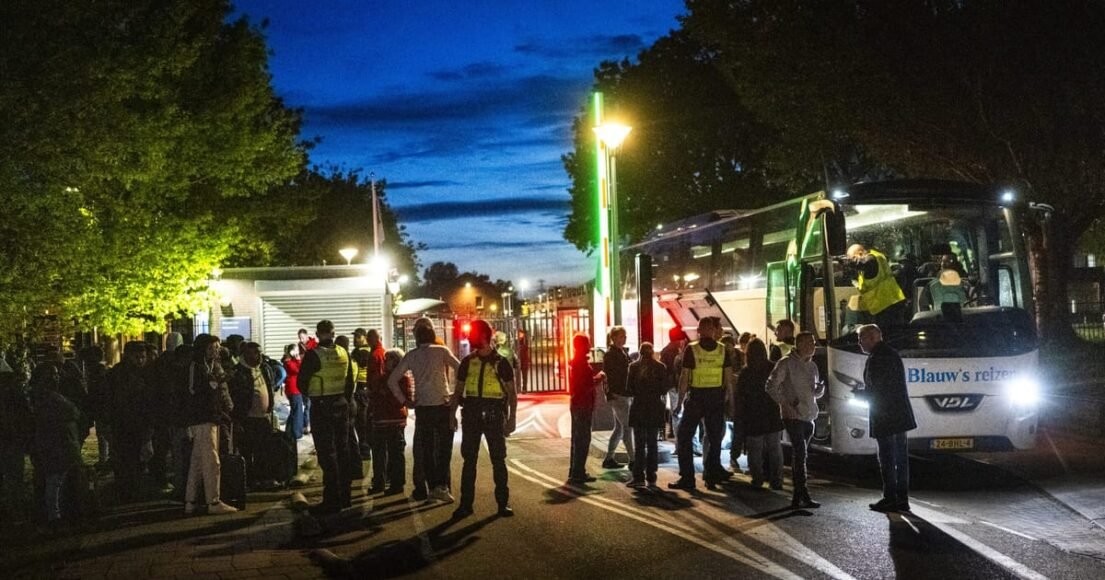
EU Negotiators Reach Agreement on New Migrant Return Law
The agreement permits countries to send individuals who have been ordered to leave the EU to “return hubs” outside the union — a measure some EU nations are already pursuing
London 2026: UK Immigration Policy Bars U.S. Commentators

Can Ethical Balance Survive in a Hypercapitalist World?
The Profit-Driven Grind
Daily, your attention is exploited,

Israeli Ministers Labeled ‘Extremist’ Confront EU Sanctions Initiative
Several EU countries have proposed sanctions against Israeli Minister of National Security Itamar Ben-Gvir for his taunting of activists detained while attempting to breach Israel’s naval blockade of Gaza in May. Israeli Prime Minister Benjamin Netanyah

Global Markets Closely Monitor Oil and Geopolitical Risks, New York 2026

Is Moral Integrity an Outdated Virtue in Today’s Society?
The New Theocracies of Consensus
Mora
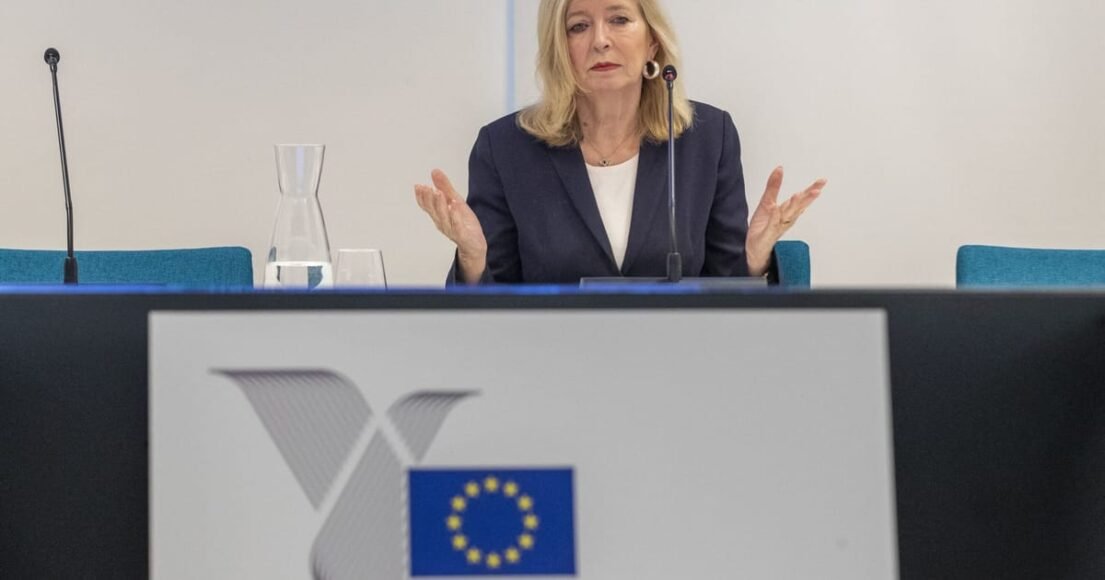
Former EU Watchdog Criticizes ‘Elitist’ Commission for Hoarding Information
O’Reilly, originating from Ireland and the EU’s first female ombudsman, expressed frequent “frustration” over the Commission’s disregard for her office’s recommendations, behaving ̶
Leave a Reply