



Strasbourg (Eurotoday) – The European Parliament postponed Anti-Corruption Directive trilogues, citing concerns over Hungary’s corruption and democratic standards.
The European Parliament’s negotiators on the Anti-Corruption Directive chose to delay trilogues with the European Council on the Directive until the start of the Polish Presidency of the EU Council, beginning from 1 January 2025.
The EU Parliament‘s lead rapporteur from Renew Group, Raquel García Hermida-Van Der Walle together with the majority of shadow negotiators from the other political parties, voiced deep concern regarding Hungary’s systematic corruption and deterioration of democratic standards under its current government and strongly challenged the Hungarian Presidency of the Council’s ability to lead unbiased debates on corruption.
What concerns did MEP García Hermida raise about Hungary?
In her remarks, Spanish-Dutch MEP Raquel García Hermida-Van Der Walle described the decision: “This Hungarian government cannot be in the driver’s chair on the Anti-Corruption Directive. It would be like debating the fences of the hen pen with the fox himself. The Fidesz government’s history of eroding the rule of law, widespread state corruption and cronyism, and lack of transparency severely damage its credibility in leading negotiations on this Directive designed to strengthen anti-corruption measures in the EU.”
She further stressed that while Renew Europe remains determined to advance the fight against corruption and promote democratic accountability within the EU, “we cannot turn a blind eye to the apparent contradictions posed by Hungary’s Presidency in this critical context.”
“The integrity and credibility of all EU institutions and this crucial piece of legislation must remain intact. Therefore, with the Polish Presidency less than a month away, it is in the best interest of our Union and our citizens to wait until then to start the talks with Council on the Directive”, García Hermida-Van Der Walle added.
Comments
Last News
EU Climate Risks Require Accelerated Response as Extreme Heat Intensifies
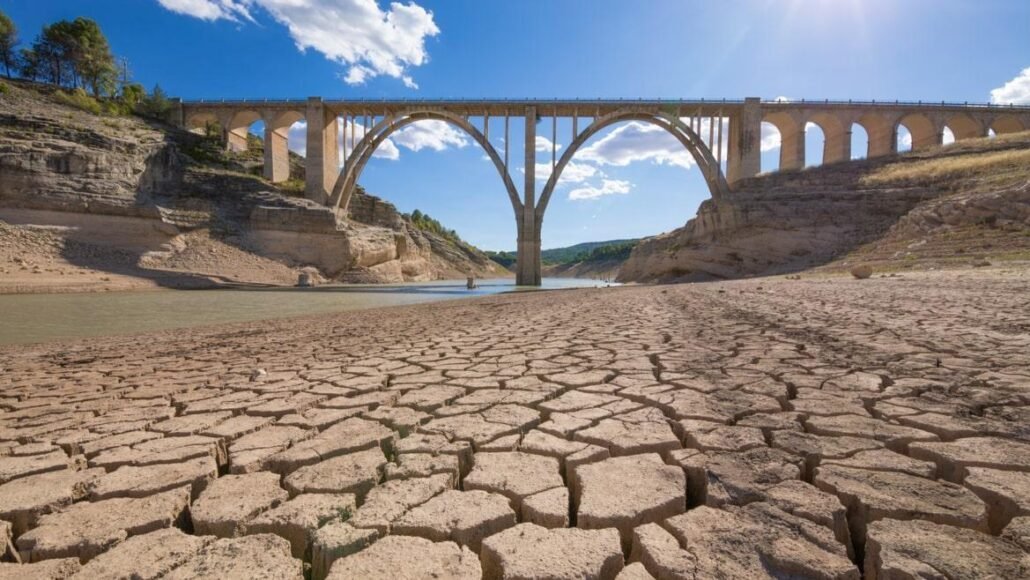
Brussels, Belgium, 25 August (Eurotoday Newspaper) – European governments face growing pressure to act earlier and more proactively against EU climate risks, as extreme heat, drought, wildfires and flooding increasingly threaten public health, infrastructure and economic activity across the continent.
The challenge has become particularly visible during successive hot summers. European authoriti
Nigel Farage Advocates for Eliminating GDPR in the UK
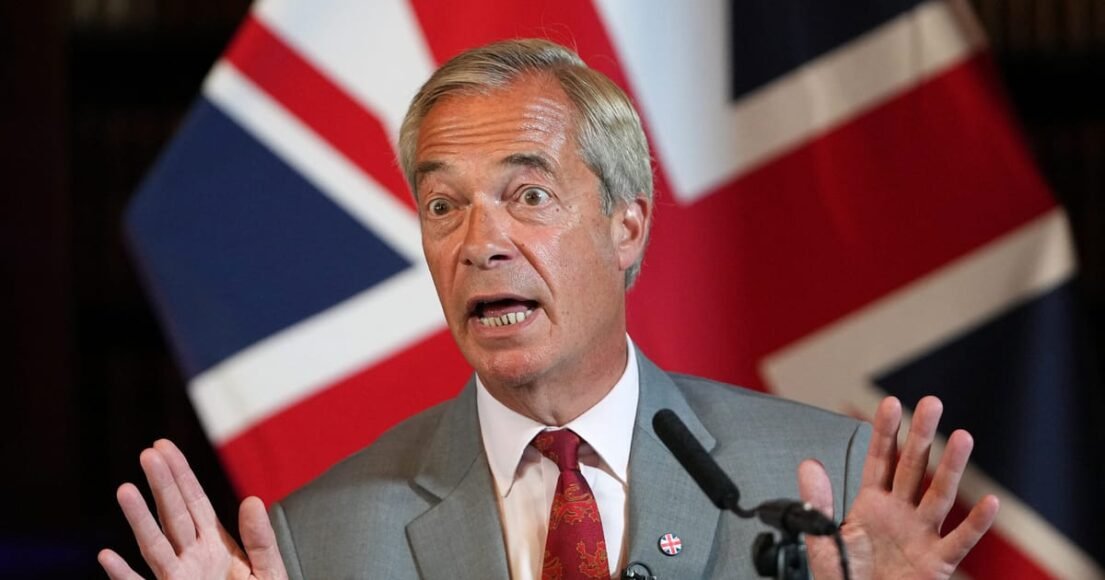
The EU GDPR offers broader individual rights concerning personal data, such as the “right to be forgotten,” compared to New Zealand’
France Calls for Swift Action as Heatwave Alert Levels Increase
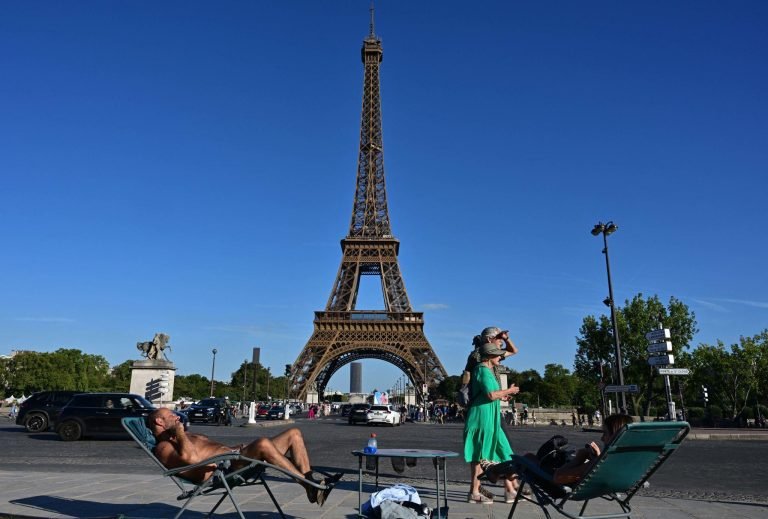
Paris, France, 25 August (Brussels Morning Newspaper) – French authorities are urging people to act quickly when France heatwave alerts are triggered, as official guidance stresses that health effects can begin during the earliest stages of unusually hot weather.
Météo-France operates a four-level heat vigilance system — green, yellow, orange and red — designed to warn the public and authorities
Britain-Europe Trains Set to Run Every 15 Minutes
Piling in
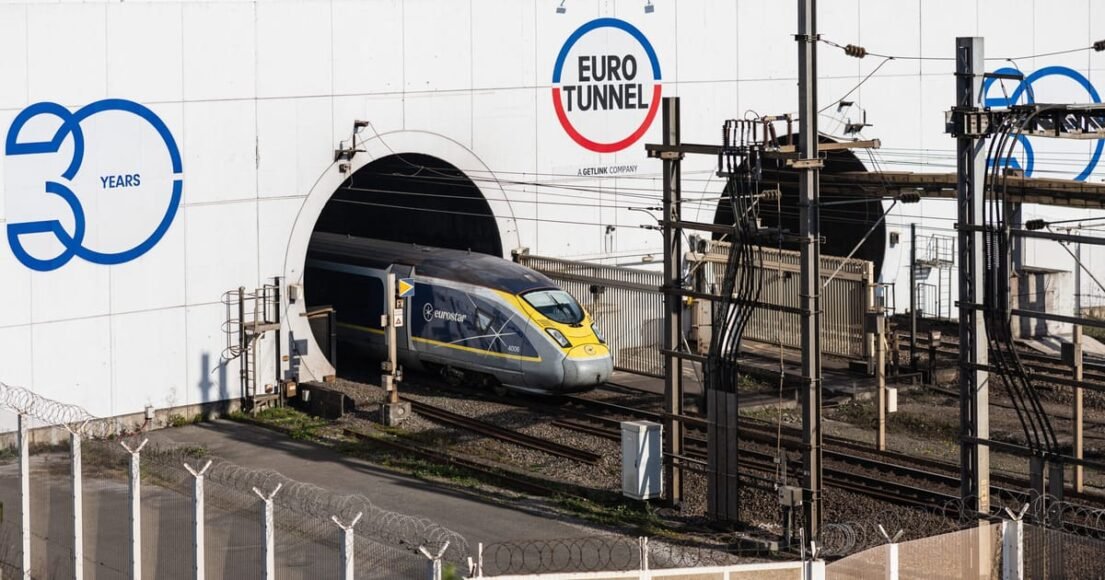
Despite these obstacles, the London route is con
Colruyt Recalls Courgettes Due to Heptachlor Risk in Belgium
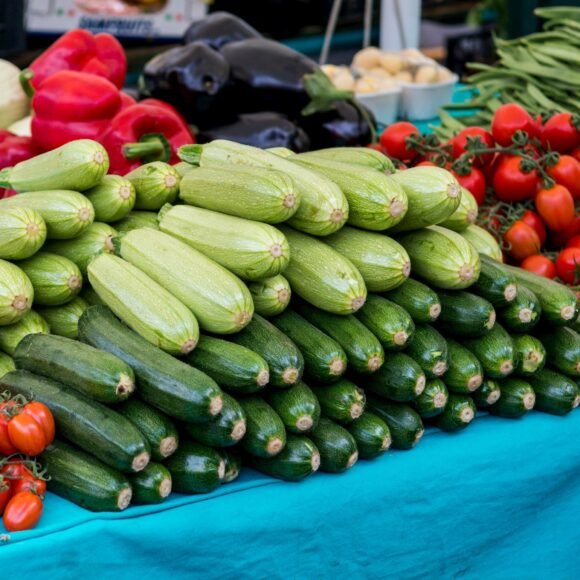
Belgium, 25 August (Eurotoday) – Colruyt has issued a Colruyt courgette recall after its supplier warned of the possible presence of heptachlor in loose courgettes sold through several of the retailer’s chains in Belgium and Luxembourg. Customers who bought the affected vegetables have been told not to eat them and to return them to a store for a refund.
Colruyt removes affected courgettes from
UN Chief Urges Countries to Control Autonomous Weapons
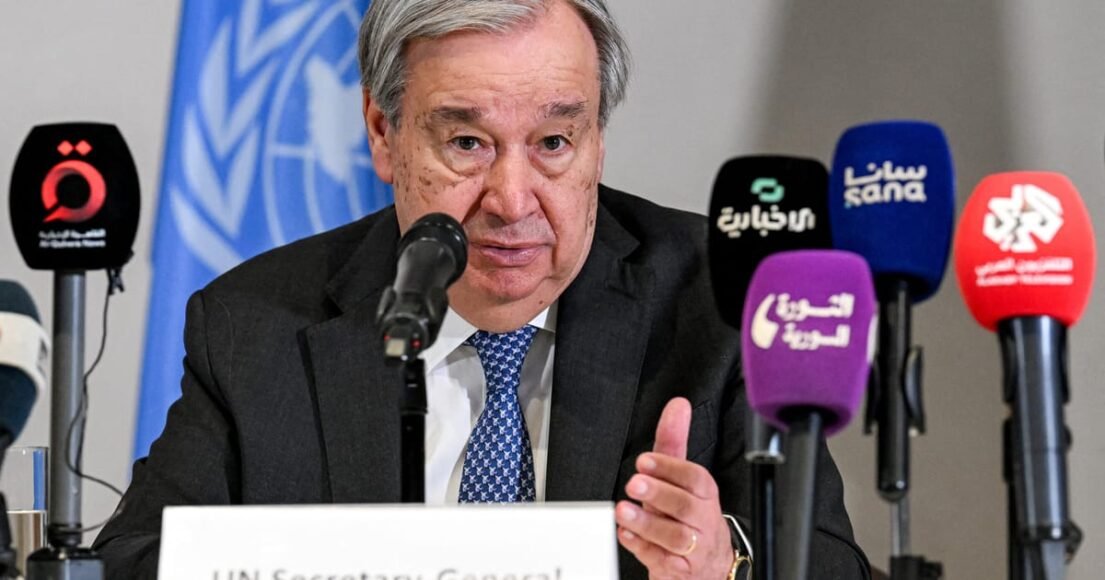
They both advocated for banning autonomous weapons causing unpredictable effects and anti-personnel weapons targeting humans.
The UN plans a conference in Geneva in November

Meulebeke Author Confronts De Wever on Ben-Gvir Comments
Tielt (Eurotoday Newspaper) – Writer Rino Feys from Meulebeke has addressed an open letter to Belgian Prime Minister Bart De Wever over statements made by Israeli National Security Minister Itamar Ben-Gvir.
Feys, who once belonged to the De Zondvloed bookshop in Roeselare, wrote to De Wever in reaction to the language used by the Israeli minister that was described by him as aggressive and extre
Gun Violence Shakes Brussels as Mayor Points Out ‘Bullet Holes in the Ground’
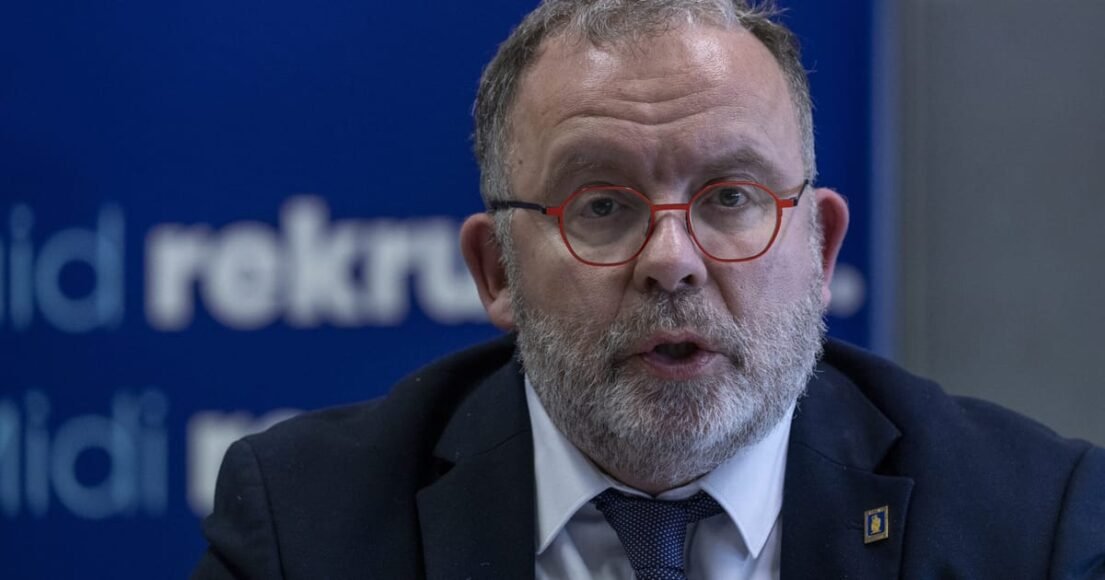
Saint-Gilles has been struggling with drug-related violence for years, especially around the train sta

Mika Godts Impresses in PSG Debut Against Rennes
Rennes, 24 August (Eurotoday) – Mika Godts made an encouraging first appearance for Paris Saint-Germain as the Belgian winger helped Luis Enrique’s side recover from two goals down to draw 2-2 with Rennes in their Ligue 1 opener. The Mika Godts PSG debut offered an early glimpse of the qualities that persuaded the French champions to invest in the 21-year-old this summer.
Godts enters as PSG fig

Leave a Reply