



Brussels (Eurotoday) – The European Council approved new laws to boost cybersecurity capacities in the European Union.
In order to amplify the EU’s solidarity and capacities to detect, be ready for and respond to cybersecurity threats and incidents, today on 2 Dec 2024 the European Council adopted two new laws as part of the cyber security legislative ‘package’, namely the so-called ‘cyber solidarity act’, and a targeted amendment to the cybersecurity act (CSA).
What are the main elements of the cyber solidarity act?
According to the European Council, the new law blank” rel=”noopener”>sets EU capabilities to make Europe more resilient in front of cyber threats while bolstering cooperation mechanisms. It sets inter alia a ‘cyber security alert system’, a pan-European infrastructure comprised of national and cross-border cyber hubs across the EU. These are subjects in control of sharing information and charged with detecting and operating on cyber threats.
The cyber hubs will utilise state-of-the-art technology, such as artificial intelligence (AI) and advanced data analytics, to catch and share timely cautions on cyber threats and incidents across borders. They will support the existing European framework and, in turn, management and relevant entities will be able to react more efficiently and effectively to cybersecurity happenings.
Ultimately, the new law establishes an incident assessment instrument to assess, amongst others, the significance of the actions under the cyber emergency mechanism and the usage of the cyber security reserve, as well as the assistance of this regulation to boost the competitive position of the industry and service sectors.
What are the targeted amendments to the Cybersecurity Act of 2019?
EU Council states that this targeted amendment seeks to enhance the EU’s cyber resilience by allowing the future adoption of European certification plans for the so-called ‘managed security services’. The new law also acknowledges the increasing importance of managed security services in the precluding, detection, response, and recovery of cybersecurity incidents. These services can consist of, for example, incident handling, penetration testing, security audits, and consulting connected to technical support.
Comments
Last News

From El Fasher to Brussels: Victims and Experts Urge EU Sanctions on the War’s Business Model

Le parquet de Paris ouvre une enquête sur le site “libertin” Wyylde
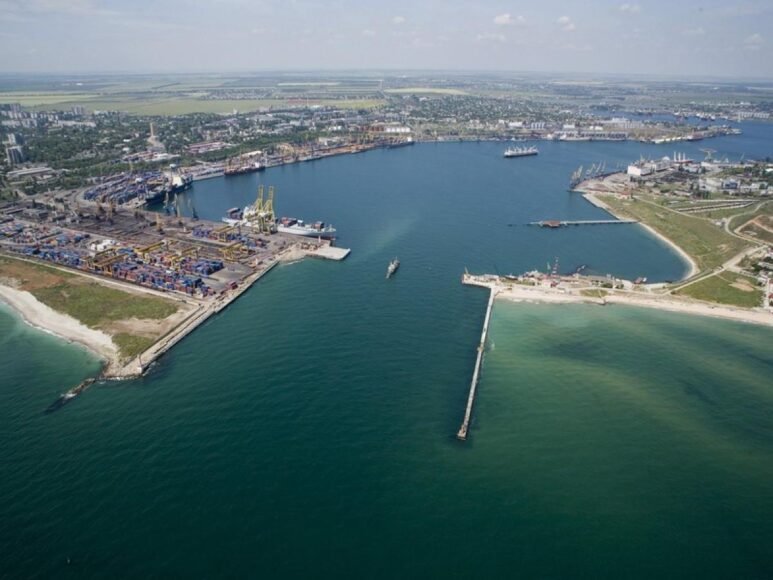
Maersk Halts Chornomorsk Fishing Port Service Following Russian Attacks in Global Shipping News
Kyiv, July 22 Eurotoday — Global shipping news remains focused on the Black Sea after Maersk suspended services through Ukraine’s Chornomorsk Fishing Port following intensified Russian attacks on port infrastructure. The move reflects growing security concerns for international shipping companies operating in the region and is expected to affect cargo movements until conditions improve.
Maersk S

Austria Converts Hitler’s Birthplace into Police Station

Concerns Over Extreme Heat in France as Rome Offers Free Cinemas to Escape Summer Temperatures
Rome, July 22 Eurotoday Newspaper — Rome free cinema screenings will be offered across the Italian capital as city officials introduce a new measure to help residents escape soaring summer temperatures. The initiative allows people to watch films free of charge in air-conditioned cinemas during the hottest parts of the day, providing relief while Europe continues to experience prolonged heatwave

Brussels Targets Google — Potentially Huge Costs Ahead

Number of Russians Who Purchased the New Volga
The flagship Volga K50 crossover is the top choice, with 55 units registered. It comes in three trims, priced from 4,344,900 rubles (around 48,300 euros) to 4,799,000

MCC Brussels at Three: A Contested Voice in Europe’s Political Debate
The Brussels-based institution is part of the wider Mathias Corvinus Collegium (MCC), a Hungarian educational and research organisation. Since its establishment in Brussels, it has sought
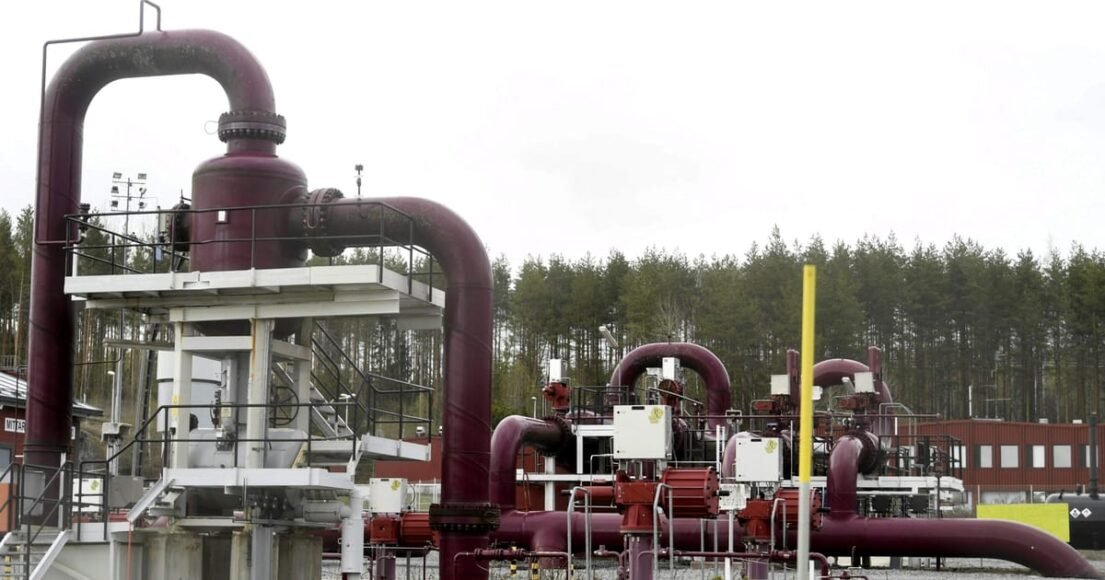
NATO Approves €27 Billion Overhaul of Cold War-Era Fuel Network
Countries have been negotiating for months on the overhaul of the alliance’s 10,000-kilometer Cold War-era pipeline network, intended to connect NATO
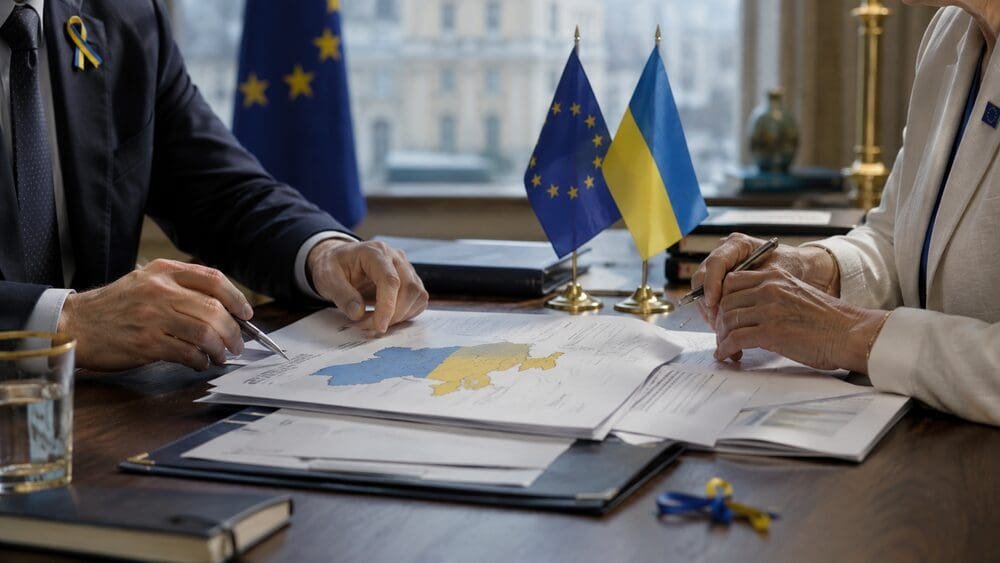
UK Joins Ukraine Loan Framework
EU Approves UK’s Role in Ukraine Loan, Linking Security Cooperation to Oversight
EU countries have agreed to the UK’s involvement in the €90 billion Ukraine Support Loan, expanding Kyiv’s financial resources and supplier access for maintaining public services and civilian protection through 2026 and 2027. This move, announced in Brussels, is part of rebuilding EU-UK security ties centered on Ukr
Leave a Reply