



Brussels (Eurotoday) – The European Council endorsed mutual recognition of driving disqualifications across EU states to enhance road safety and enforce sanctions.
The European Council adopted its negotiating position on a European Commission proposal concerning certain driving disqualifications constituting part of the so-called ‘road safety’ legislative package.
The proposal is a component of the “road safety package”, adopted by the EU Commission on 1 March 2023, which includes the revision of the directive on driving licences and the revision of the directive on cross-border enforcement of road-safety-related violations. Under the proposal, the member state which gave the driving licence (‘member state of issuance’) will be obliged to execute, under specific conditions and per its national legislation, a driving disqualification set on a road traffic offender by another member state where the heavy road traffic offence has been perpetrated (‘member state of the offence’).
What are the main elements of the Council’s position?
As reported by the EU Council, as an alternative strategy to the EU-wide effect proposed by the Commission and given that a member state cannot ensure that its national rules on driving disqualifications are enforced by the other member states, the Council’s position assembles on the instrument for mutual recognition of the driving licences under the new directive on driving licences.
What is the EU Council’s position on driving disqualifications?
Council states that the different kinds of driving disqualifications have been clearly explained, and adaptations have been pushed so that all member states can enforce the directive even when specific types of driving disqualifications are not present in their national system. To ease the administrative burden, driving disqualifications with a period of less than three months and for which the remaining time to be served is less than one month are excluded from the range of the directive.
According to the Council’s standing, the member state of the offence possesses the possibility, in accordance with its national regulations and with effects confined to its territory, to apply driving disqualifications and any complementary requirements set thereunder until the driver yields with them. The member state of the offence may also set a period of ban for re-issuing a driving licence during which it may decide not to identify the driving licence that was re-issued in the member state of issuance.
Comments
Last News
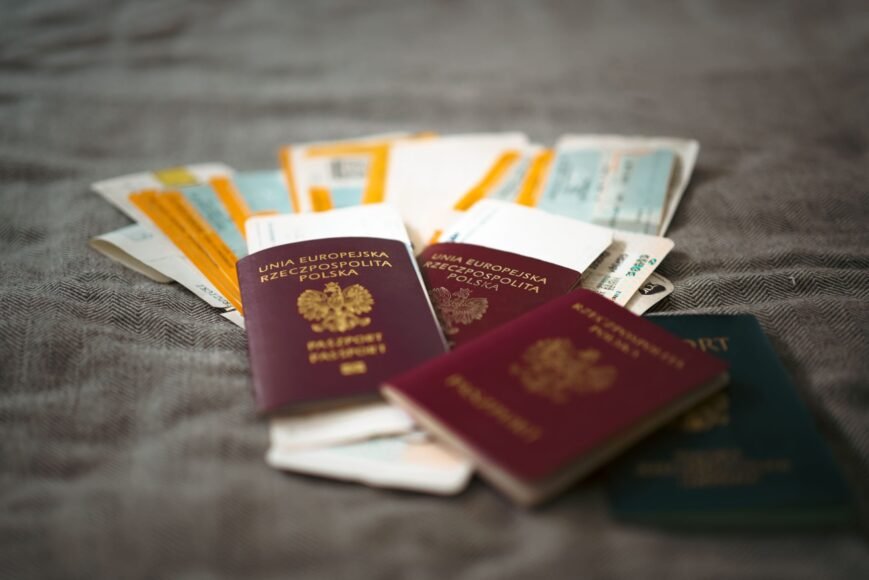
Just Three Individuals Globally Travel Without Passports

Wenn Ulrich Siegmund Ministerpräsident wird
Pauline von Pezold evaluates how realistic this
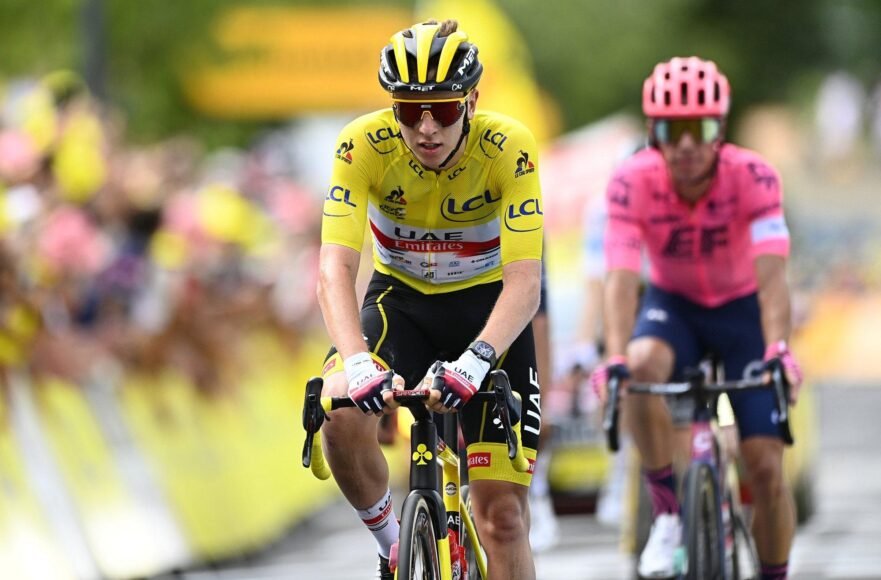
Tadej Pogacar Discharged from Hospital, Unlikely to Return for Worlds
Barcelona, Spain, 3 September (Eurotoday) – Tadej Pogacar has left hospital following surgery on his fractured left collarbone, but the latest Tadej Pogacar recovery outlook suggests his chances of defending his world road race title later this month are increasingly slim. The Slovenian was pictured with his left arm in a sling, facial bruising and bandages as he began the next stage of his reha

Scientology Volunteer Ministers Exhibition Held in Bologna
The initiative launched on Sunday, 30 August, attended by
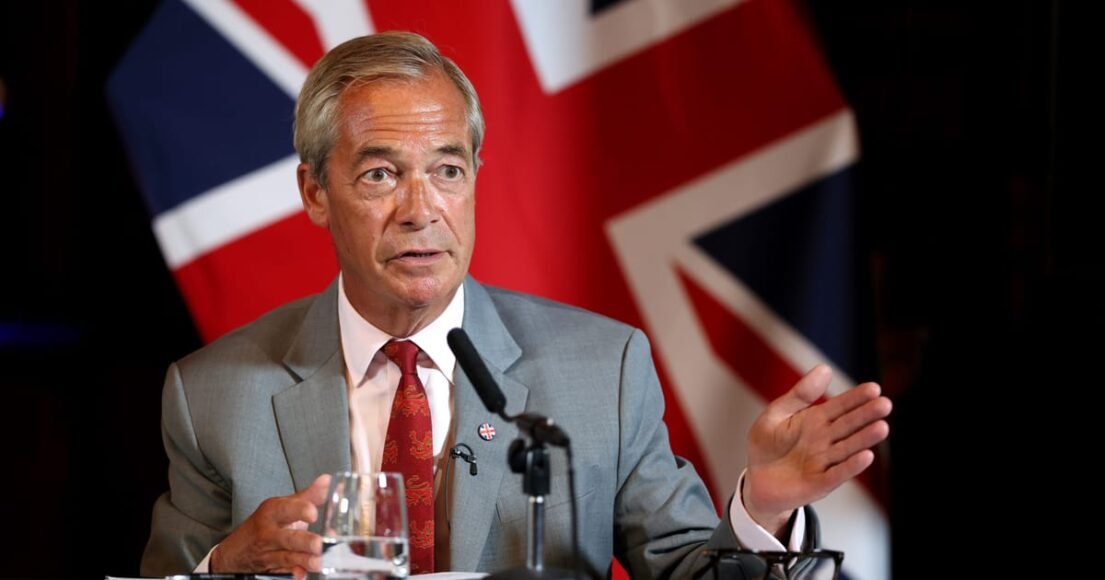
Farage Vows to Cut UK Energy Bills
Reform announced plans to eliminate charges on gas generators, including those from the U.K. Emissions Trading Scheme (ETS), which aims to reduce greenhouse gas e

Alexander Harris Discovered Deceased Following Mountain Trek in Pakistan
Mansehra, Pakistan, 3 September (Eurotoday Newspaper) – The body of Alexander Harris, a 30-year-old British-Irish trekker who disappeared while descending Musa Ka Musalla in northern Pakistan, has been found following a three-day search involving police, rescuers and local volunteers. Pakistani officials believe he may have slipped and fallen while descending in deteriorating weather.
Harris, or

Ceuta Report Heightens Spain-Morocco Tensions
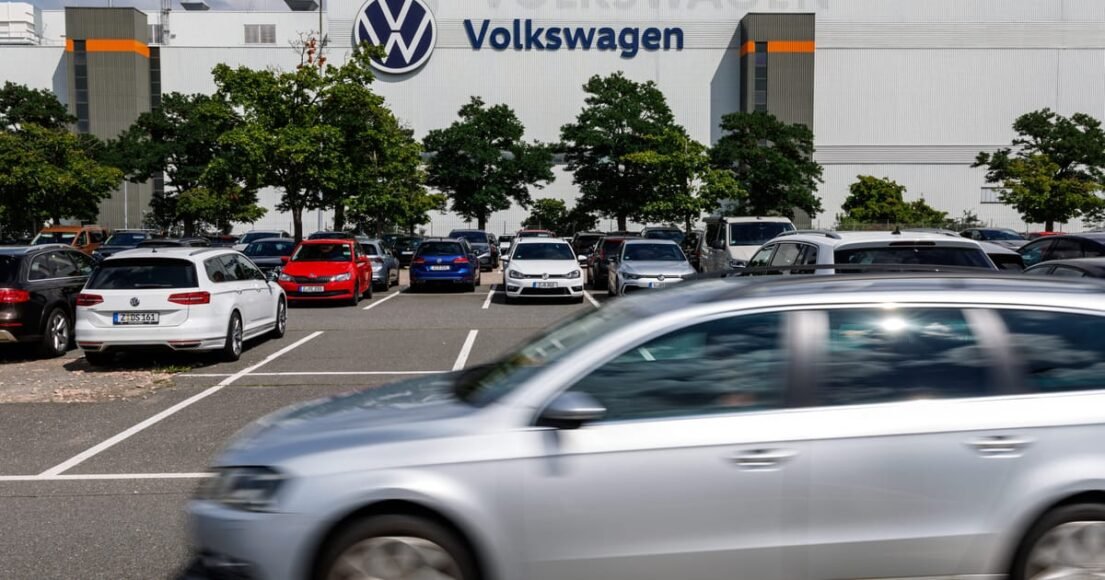
Germany’s Far Right Benefits from VW Troubles
Instead, automotive suppliers, chemical firms, and other manufacturers are facing job losses, high energy costs, and a surge in Chinese exports threatening vital industries.
These concerns are intensifying a

Irish Climber Alexander Harris Discovered Deceased After Siran Valley Mountain Search in Pakistan
Mansehra, Pakistan, 3 September (Brussels Morning Newspaper) – An Irish climber death has been confirmed in northern Pakistan after search teams recovered the body of Alexander Mark Harris from a gorge in the Siran Valley, ending a difficult operation involving more than 250 police personnel, mountaineers, forest officials and local residents.
Harris, 30, a dual Irish-British citizen who had bee
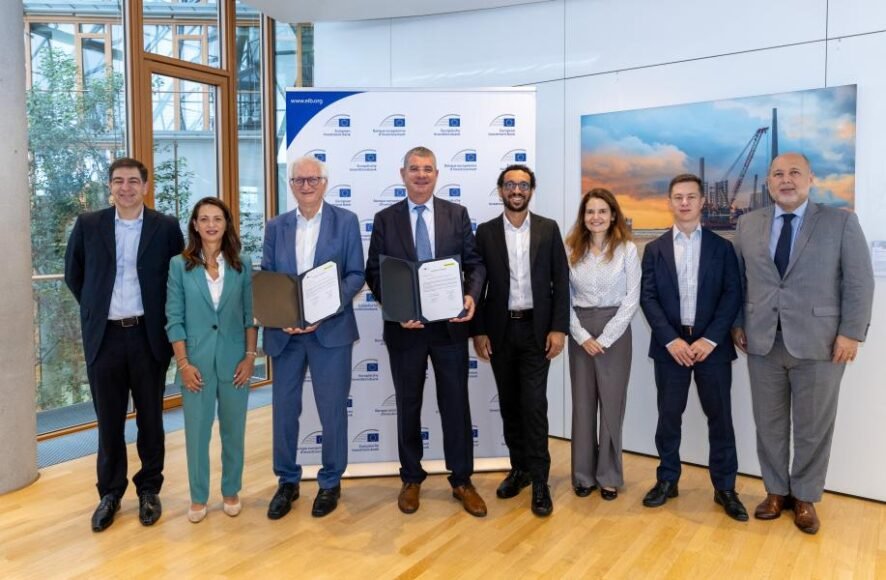
EIB Global and Banco do Brasil Unlock €500 Million for Women Entrepreneurs and Sustainable Development in the Amazon Region
European Investment Bank
€250 million EIB Global financing agreement with Banco do Brasil enables €500million in microcredit for women-led microbusinesses in Brazil’s Legal Amazon region.
Financing aims to reach around 50,000 women entrepreneurs, boosting women’s economic empowerment and sustainable development in the Amazon.
The initiative supports the EU-Brazil Green Deal, EU’s strategic
Leave a Reply