



Brussels (Eurotoday) – The European Council endorsed mutual recognition of driving disqualifications across EU states to enhance road safety and enforce sanctions.
The European Council adopted its negotiating position on a European Commission proposal concerning certain driving disqualifications constituting part of the so-called ‘road safety’ legislative package.
The proposal is a component of the “road safety package”, adopted by the EU Commission on 1 March 2023, which includes the revision of the directive on driving licences and the revision of the directive on cross-border enforcement of road-safety-related violations. Under the proposal, the member state which gave the driving licence (‘member state of issuance’) will be obliged to execute, under specific conditions and per its national legislation, a driving disqualification set on a road traffic offender by another member state where the heavy road traffic offence has been perpetrated (‘member state of the offence’).
What are the main elements of the Council’s position?
As reported by the EU Council, as an alternative strategy to the EU-wide effect proposed by the Commission and given that a member state cannot ensure that its national rules on driving disqualifications are enforced by the other member states, the Council’s position assembles on the instrument for mutual recognition of the driving licences under the new directive on driving licences.
What is the EU Council’s position on driving disqualifications?
Council states that the different kinds of driving disqualifications have been clearly explained, and adaptations have been pushed so that all member states can enforce the directive even when specific types of driving disqualifications are not present in their national system. To ease the administrative burden, driving disqualifications with a period of less than three months and for which the remaining time to be served is less than one month are excluded from the range of the directive.
According to the Council’s standing, the member state of the offence possesses the possibility, in accordance with its national regulations and with effects confined to its territory, to apply driving disqualifications and any complementary requirements set thereunder until the driver yields with them. The member state of the offence may also set a period of ban for re-issuing a driving licence during which it may decide not to identify the driving licence that was re-issued in the member state of issuance.
Comments
Last News
| Newsroom Europe
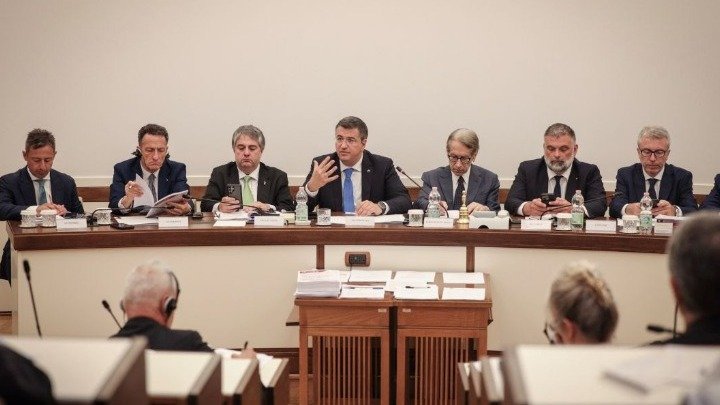
During his visit, Mr. Tzitzikostas held private talks with Italy’s Deputy Prime Minister and Minister of Infrastructure and Transport, Matteo Salvini, Minister of Entrepreneurship A
Will Keir Starmer Endure the Next 6 Months?
Glasman contends that Starmer

Leuven Opens Inclusive Daycare for Children with Special Care Needs
Leuven (Brussels Morning Newspaper) – In 2028, Leuven pilots a daycare center where children with and without high care needs will be cared for together, promoting inclusion and support.
Of the 36 spots, 8 are reserved especially for kids with multiple disabilities.
Through the Centre for Inclusive Childcare (CIK), the Belgium city of Leuven is demonstrating a strong commitment to inclusive ch
A. Tzitzikostas: Infrastructure Investments are Crucial
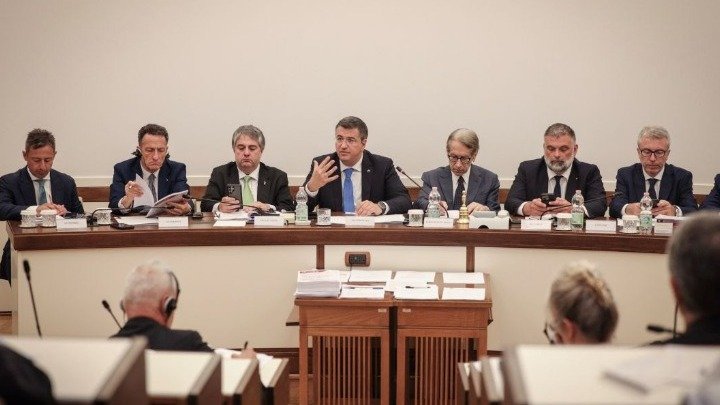
During his visit, Tzitzikostas engaged in private talks with Italy’s Deputy Prime Minister and Minister of Infrastructure and Transport, Matteo Salvini, Minister of Entrepreneursh
Dendermonde Implements Citywide Restrictions to Curb Violence
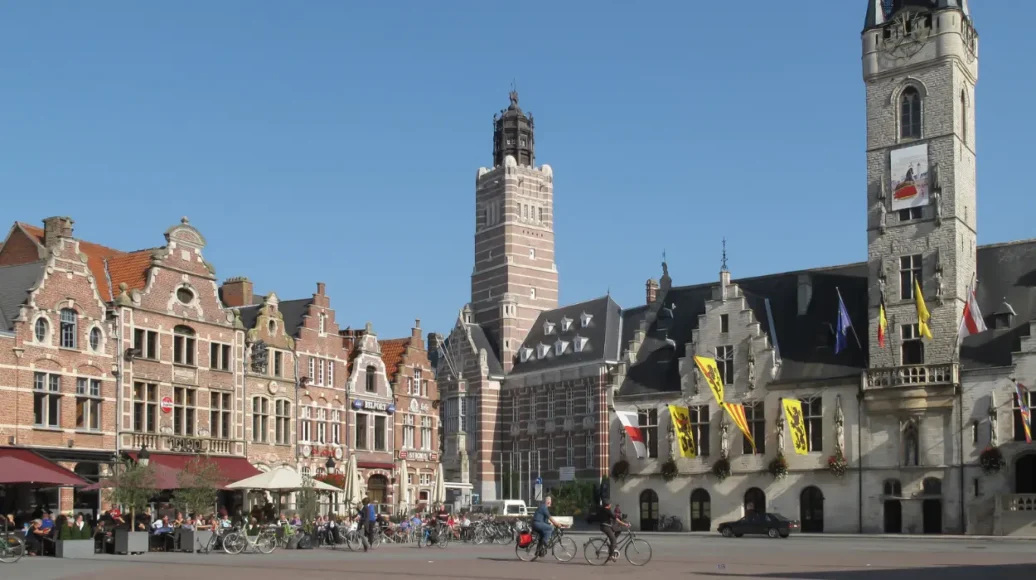
Dendermonde (Brussels Morning Newspaper) – Dendermonde enforces a summer-long ban on gatherings and city centre access to combat rising incidents of street fights and intimidation, officials confirm.
This follows reports of fights, intimidation, destruction, and noise pollution over the previous two months. This relates to a prohibition on meetings on the Oude Vest and Grote Markt in Belgium. In
"Elle est assez seule" : la dirigeante la plus écolo de l’UE lutte contre le backlash
New Allegations of Irregularities Targeting the RN in the European Parliament
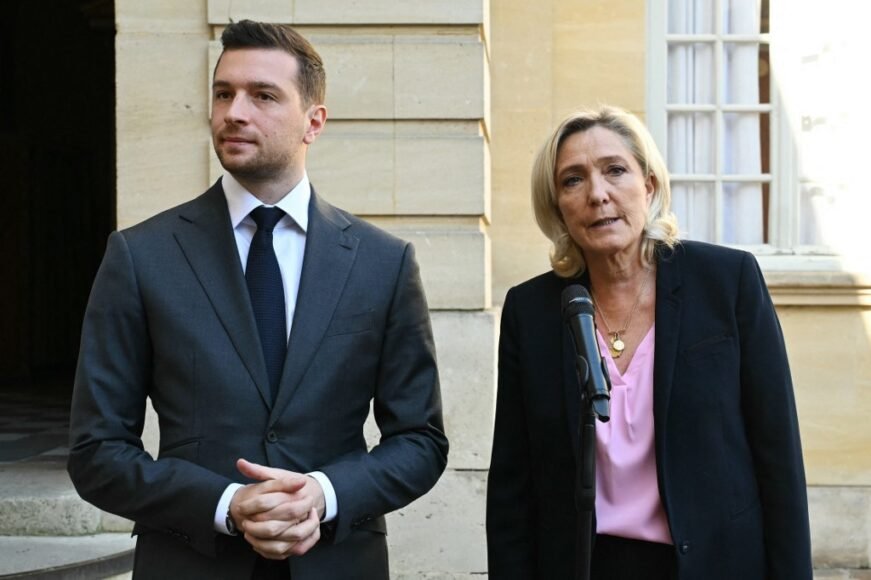
The National Rally (RN), in collaboration with its partners from the former Identity and Democracy (ID) group, is accused of having “unduly spent” over 4.3 million euros between 2019 and 2024, as per a report from the financial affairs department of the Brussels institution.
Nadine Bergmans Sworn In as New Getevallei Police Chief
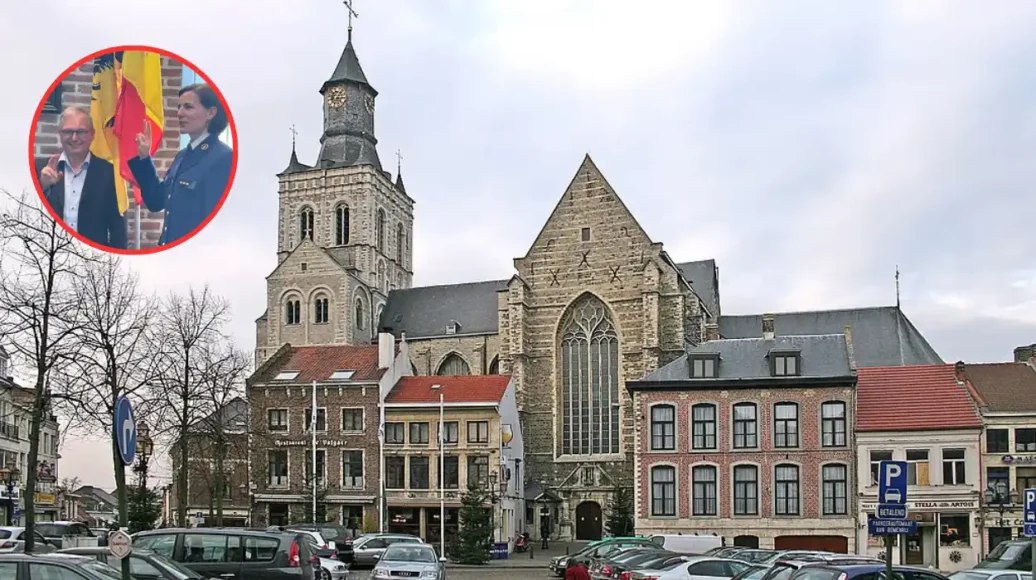
Tienen (Brussels Morning Newspaper) – Nadine Bergmans has officially taken oath as the new chief of police for the Getevallei zone, covering Hoegaarden, Tienen, Linter, Zoutleeuw, and Landen.
Head Commissioner Bergmans took over as police head when Chief Commissioner Stephan Gillis was forced to resign because of an inquiry into illegal activity.
According to the Belgium police zone, Chief Comm
Danish PM Calls US Arms Halt to Ukraine a ‘Serious Setback’ for EU and NATO
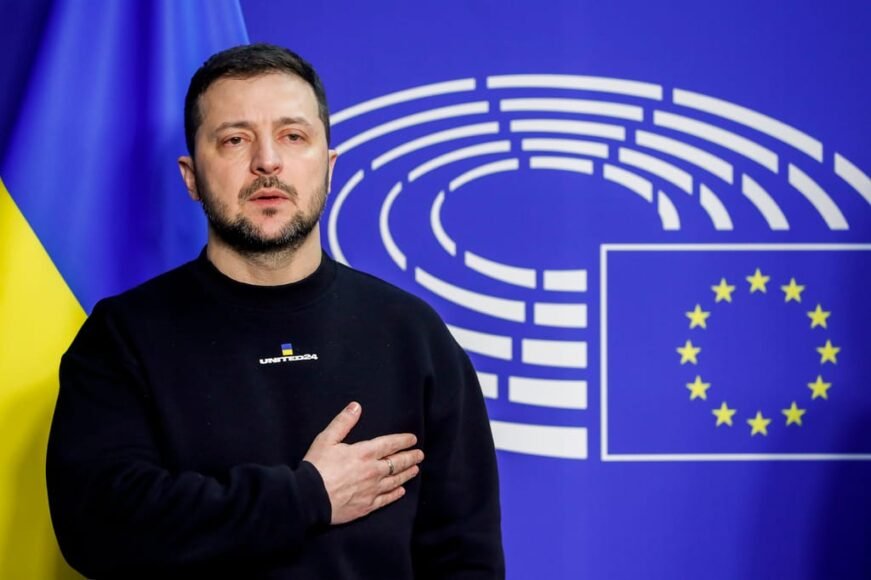
Denmark remains a staunch supporter of Ukraine, contributing nearly €10 billion in military and civilian aid since Russia’s large-scale invasion in February 2022. Frederiksen has been
Leave a Reply