


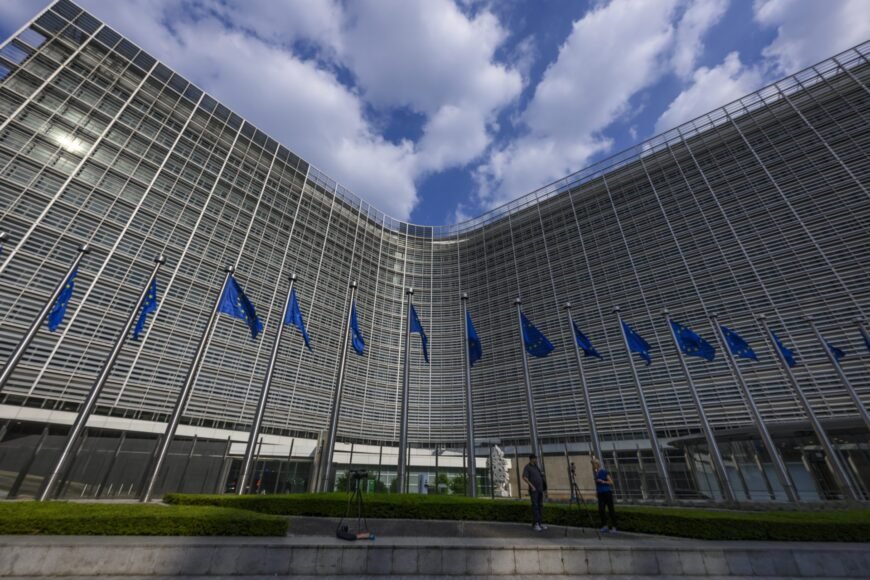
The European Commission’s intervention is occurring under significant pressure from lawmakers and NGOs to address Fico’s actions against independent bodies and alleged misuse of EU agricultural funds.
Zuzana Dlugošová, who leads the whistleblower protection agency, stated she had consistently alerted Slovak authorities that their proposals conflicted with EU regulations.
“If Slovakia had considered expert opinions, it could have avoided EU legal challenges. Nonetheless, we hope this will promote a more professional and in-depth discussion on establishing proper whistleblower protections in Slovakia,” Dlugošová remarked.
Responses from Slovakia’s permanent representation in Brussels and the Ministry of Interior to POLITICO’s inquiries were not immediately available.
Brussels has allotted Bratislava one month to address its concerns before potentially escalating actions, which may involve suspending EU funds to Slovakia following a detailed process.
Since regaining power in 2023 for a fourth term, Fico’s Smer party has taken measures to dismantle anti-corruption frameworks, such as terminating the Special Prosecutor’s Office, known for handling prominent corruption cases, and dissolving NAKA, a prominent police unit combatting organized crime.
“The European Commission’s move … clearly indicates that safeguarding whistleblowers is non-negotiable — it is a fundamental duty of every EU Member State,” Czech MEP Tomáš Zdechovský stated in written comments to POLITICO.





Leave a Reply