


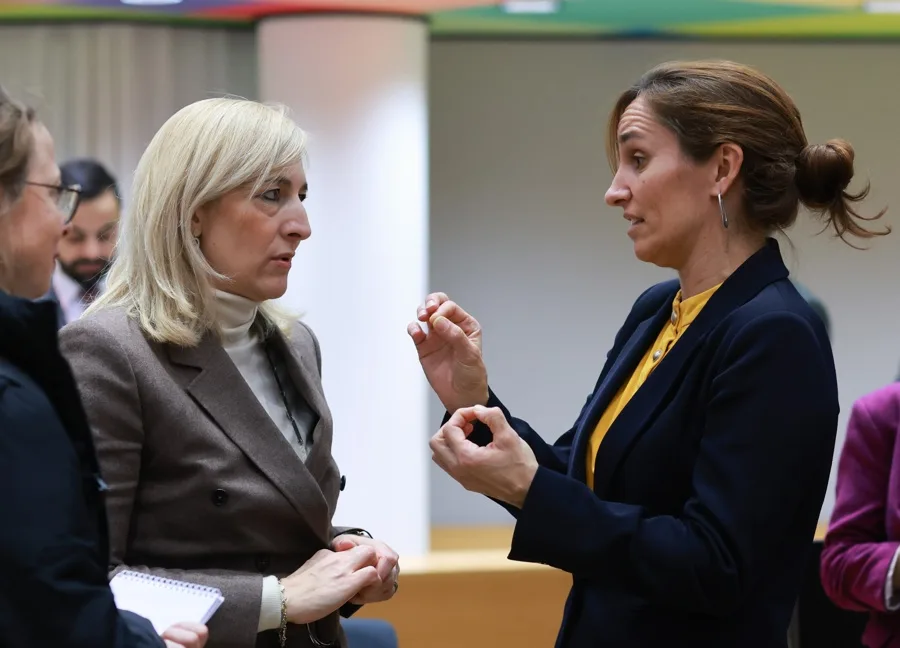
During today’s meeting in Brussels with EU health ministers, García outlined Spain’s position regarding the negotiation of the essential medicines law first introduced by Brussels in March, which still requires discussions with the European Parliament.
This proposal includes various incentives, such as a relaxation of State aid regulations, aimed at boosting the production of essential medicines within the EU and decreasing reliance on Asia to address drug shortages amid escalating global conflicts.
“Our primary concern centers on the financing model. Spain advocates for a clear and strategic approach. The funding for European autonomy should primarily originate at the EU level, rather than relying heavily on state aid,” stated the Spanish minister.
She emphasized that “disparities in financial capacity among Member States could create competitive imbalances, jeopardizing health equity and the overall global competitiveness of our industry.”
Strategic industrial projects
The Commission acknowledges that the factors contributing to essential medicine shortages are varied and complex, noting that 50.6% result from manufacturing issues. To address this, it proposes designating strategic industrial projects to enhance the production of medicines and their active ingredients within the EU.
Once designated, Brussels aims to facilitate public funding for these projects through both European and national funds, including State aid, while also expediting and streamlining the permitting and environmental assessment processes for new production facilities within the EU.
García expressed satisfaction that the Twenty-Seven have rejected the Commission’s initial suggestion for joint purchases of essential medicines and a mandate for EU countries to procure a minimum quantity of these drugs.
EU governments support allowing Brussels to conduct joint purchases only if requested by a minimum of six countries and conducted on behalf of those requesting states.
“We particularly appreciate the approach regarding voluntary mechanisms for joint procurement of medicines, which fully respects national competencies in this area,” remarked the Spanish Minister of Health.
García added that “as a decentralized State, Spain necessitates flexibility in implementing national supply security programs and in the criteria and principles of procurement to adapt them to our territorial model.” EFE 2 December 2025










Leave a Reply