


The Gaza medical crisis has reached a breaking point as hospitals struggle to function amid severe shortages of medicine, fuel, equipment, and trained staff. Across the Gaza Strip, doctors warn that patients are dying from treatable conditions simply because essential care is unavailable. What was once a fragile healthcare system is now operating in survival mode, with every day bringing new emergencies and fewer resources to address them.
The Gaza medical crisis is unfolding in real time inside overcrowded hospitals where doctors face impossible decisions. Emergency rooms are packed with trauma victims, children suffering from malnutrition, and patients with chronic illnesses whose treatments have been interrupted. For many families, access to healthcare has become a matter of luck rather than need.

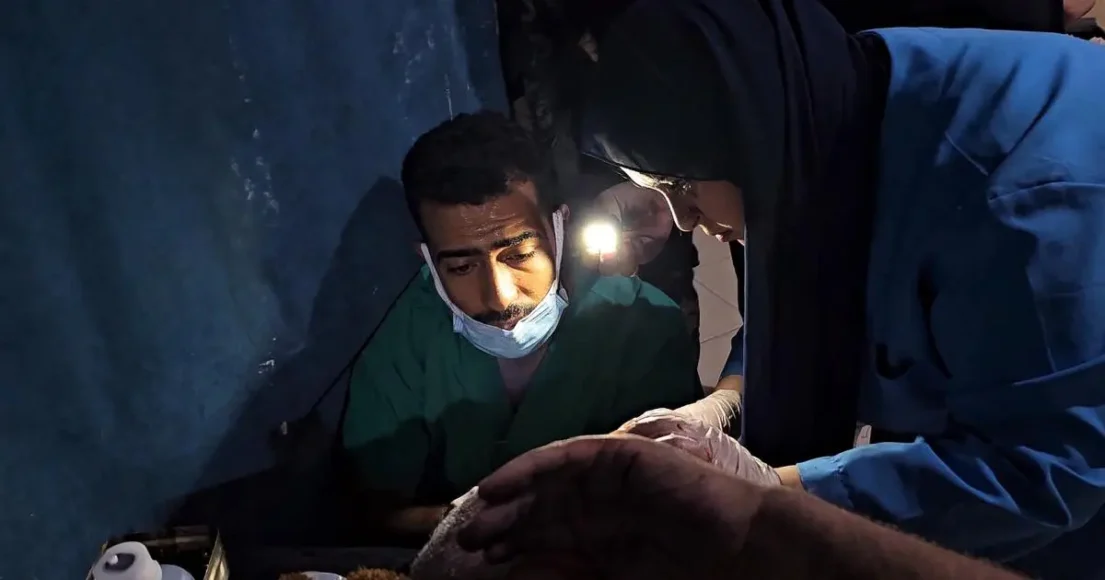
Hospitals throughout Gaza are overwhelmed by the volume of patients and the severity of their conditions. Wards designed for dozens now hold hundreds, with beds lining corridors and waiting areas. The Gaza medical crisis has turned hospitals into nonstop triage centers where doctors must prioritize the most critical cases, knowing others may not survive the wait.
Surgical units face extreme pressure. Without adequate anesthesia, sterile equipment, or blood supplies, even routine procedures carry serious risks. Surgeons report delaying operations that would normally be performed immediately, while emergency cases pile up faster than staff can respond.
Shortages of Medicines and Equipment
One of the most damaging aspects of the Gaza medical crisis is the lack of basic medical supplies. Hospitals report running out of antibiotics, painkillers, insulin, IV fluids, and oxygen. Diagnostic tools such as X ray machines and laboratory equipment are often unusable due to power outages or lack of spare parts.
Advanced care has become nearly impossible. Ventilators, dialysis machines, and cardiac monitors require stable electricity and regular maintenance, both of which are in short supply. The Gaza medical crisis has stripped hospitals of the ability to provide consistent critical care.
Blocked and Delayed Medical Aid
Humanitarian organizations say that medical aid entering Gaza remains insufficient to meet urgent needs. The Gaza medical crisis continues to deepen as deliveries of medicine, equipment, and fuel are delayed or blocked, leaving hospitals without a reliable supply chain.
Even when aid trucks arrive, the quantities are often far below what hospitals require. Supplies are quickly exhausted, forcing medical teams to ration care. Doctors emphasize that sporadic aid cannot stabilize a healthcare system facing constant emergencies.
Doctors Forced to Make Impossible Choices
Medical staff are facing moral dilemmas that few healthcare professionals ever expect to confront. The Gaza medical crisis forces doctors to decide which patients receive the last available ventilator or dose of medication.
Physicians describe the emotional toll of telling families that treatment is unavailable, even when the condition is treatable elsewhere. Many doctors are working around the clock despite exhaustion, motivated by a sense of duty to patients trapped in a system that cannot meet their needs.
Children and Newborns at Severe Risk
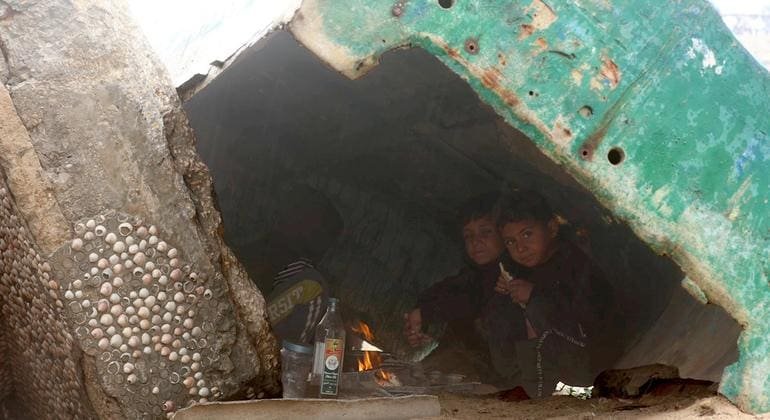
Children are among the most vulnerable victims of the healthcare collapse. Pediatric wards report rising cases of malnutrition, dehydration, and untreated infections. The Gaza medical crisis has left neonatal units without incubators, oxygen supplies, or adequate antibiotics.
Premature babies are particularly at risk when electricity cuts disrupt life support equipment. Parents describe sitting helplessly beside incubators that shut down during power outages, unsure whether their child will survive the night.

Chronic Illness Becomes Life Threatening
For patients with chronic diseases, the situation is dire. The Gaza medical crisis








Leave a Reply