


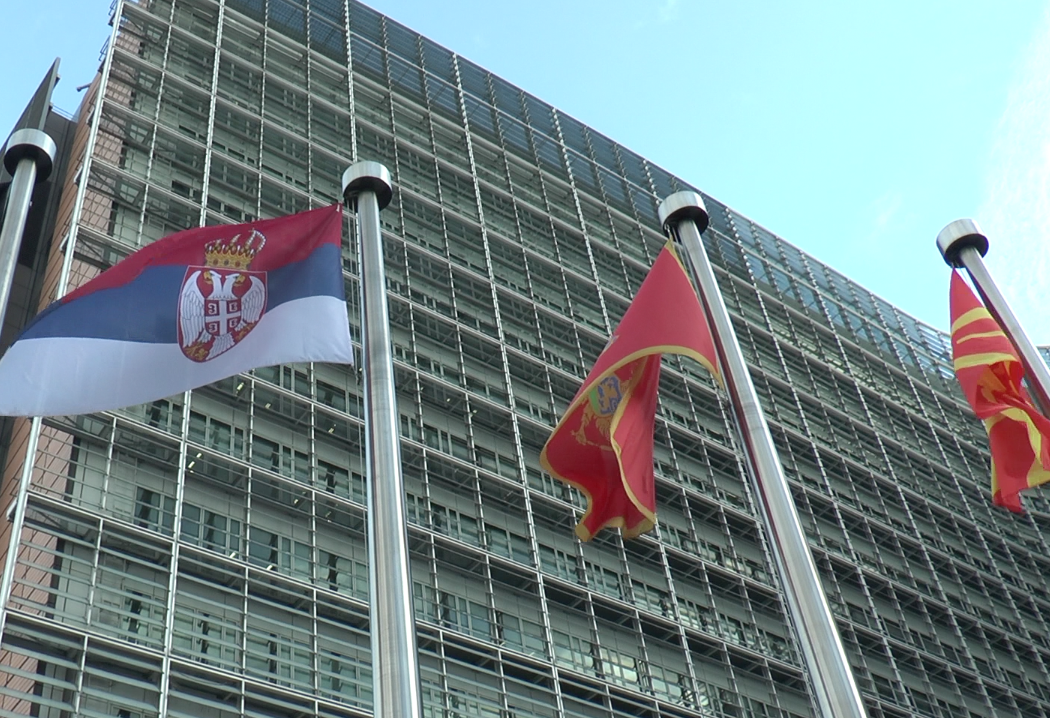
BRUSSELS – The European Commission has released a report through its visa-free regime monitoring mechanism, confirming that Western Balkan partners, including Serbia, are adhering to the EU’s visa-free travel criteria. The report also outlines recommendations for further enhancements in this area.
According to the Commission’s findings, Georgia is the only country at risk of compromising its visa-free status. On December 6th, the European Commission published its seventh report under the Visa Suspension Mechanism, which oversees the EU’s visa-free arrangements with partners from both the Western Balkans and the Eastern Partnership, alongside nations in the Eastern Caribbean and Latin America. The assessment noted that Serbia, along with Albania, Bosnia and Herzegovina, Moldova, Montenegro, and North Macedonia, has made efforts to address several recommendations from the previous report but must undertake further actions to better align its visa regulations with those of the EU. The Commission emphasized that maintaining the visa liberalization process is a crucial strategy to encourage reforms and enhance cooperation with the EU in migration, border management, and security domains.
The report provides two specific recommendations for Serbia, urging further advancement in aligning its visa policy with the EU’s list of countries that require visas for entry and in fully executing the third-country national provisions of the EU-Serbia readmission agreement. While Serbia maintains a visa-free regime with 16 countries whose citizens need visas to enter the EU, it has also implemented a full visa regime for citizens of six countries to better harmonize its policies with the EU’s framework.
The Commission expects Serbia to expedite progress in aligning its visa policy due to concerns regarding irregular migration to the EU. In terms of migration cooperation, border management, and readmission, Serbia has been positively participating in the implementation of the EU Action Plan for the Western Balkans and has adopted a new integrated border management strategy for 2022-2027, as well as an action plan for 2022-2024. Notably, Serbia has been collaborating with Frontex and EU Member States on migration and border management, as well as on security issues with agencies like Europol, Eurojust, and Interpol. Regarding Ukraine and Kosovo, the Commission indicated that the conditions for visa liberalization are still being met, but that actions are necessary to address the Commission’s recommendations.
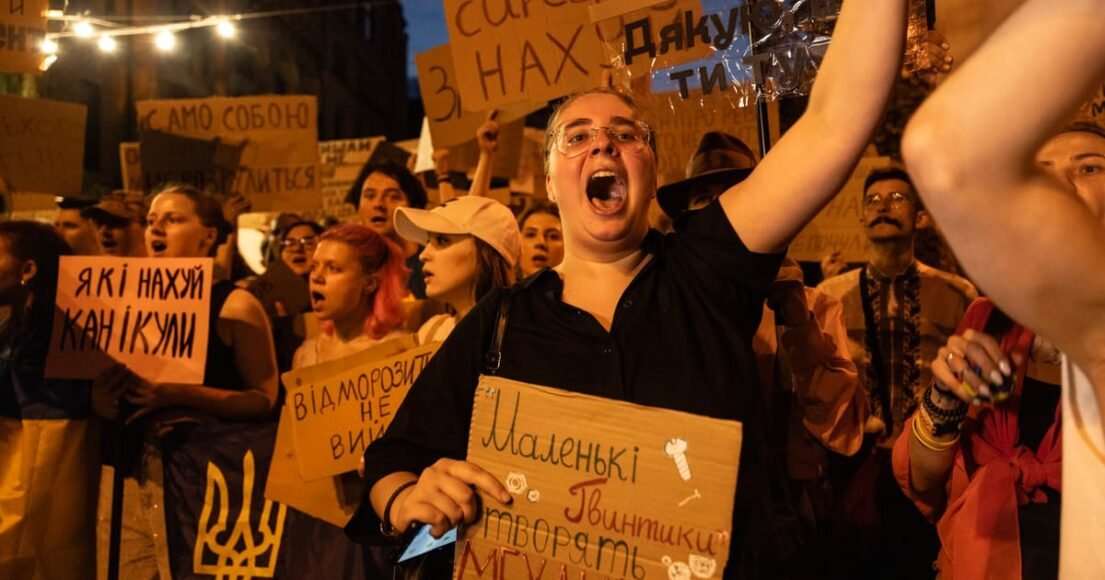
In contrast, the situation in Georgia is concerning; recent developments have sparked discussions about potentially activating the visa suspension mechanism for specific groups. Georgia is urged to urgently implement measures to comply with the Commission’s recommendations, particularly regarding the protection of fundamental rights, to prevent activation of this mechanism and maintain compliance with visa liberalization standards. The European Commission affirmed its commitment to monitor the conditions for visa liberalization and incorporate findings into its annual enlargement package and relevant EU accession negotiations. The report highlights that visa-free travel “facilitates mobility and interpersonal contacts, boosts the travel and tourism sector, and promotes cultural and academic exchange,” while also presenting significant challenges related to irregular migration and security. The Commission will continue to report annually to the European Parliament and the Council on this matter (every December 9th).





Leave a Reply