



L’Oréal, a multi-billion-dollar company, is the biggest cosmetics company in the world; it has a complicated corporate imprint and a wide range of presence across the nations of the world. One such question is whether L’Oréal supports relations with Israel, better explained against the background of the Israeli-Palestinian confrontation and the continuous discussion of political and economic boycotts. This blog will provide a more complex overview of the status and activities of L’Oréal through examining the company’s business activity, its partners, scandals, and corporate social responsibility in regard to the state of Israel.
L’Oréal’s involvement in Israel is complicated, as the firm is being criticized for sponsoring L’Oréal Israel, its subsidiary maintaining a manufacturing plant in Migdal Ha’emek, a town built on land from which Palestinians were forced to be evicted. L’Oréal has significant business interests in Israel. Its Migdal Ha’emek factory produces cosmetics containing Dead Sea minerals, some of which are sourced from the occupied Palestinian territories. These areas are home to Palestinians who face various restrictions and discriminatory policies. L’Oréal Israel, employing around 300 workers, manages 21 local brands as well as a joint venture with the Israeli manufacturer of the brand. Thus, L’Oréal Israel is an important player in the Israeli cosmetic market and supports the community by donating medical supplies since the start of the COVID-19 lockdowns.
L’Oréal’s business presence in Israel
L’Oréal has had a strong commercial presence in Israel for many years. When Israel became a subsidiary company under L’Oréal, it was named L’Oréal Israel Ltd, and possessed a logistics center in Caesarea and premises for its head office in Netanya. The subsidiary is involved in the importation, distribution, sale, and production of a wide range of cosmetic products, with some of the global brands provided, like L’Oréal Paris, Garnier, Maybelline, Lancome, and Yves Saint Laurent, among many others.
- L’Oréal in Israel, which was founded in 1959, has since then expanded to control the beauty market in the region, as far as the Israeli market is concerned.
- The company has over 300 employees in Israel, 60 percent of whom are women, which proves its interest in gender diversity.
- It has four business segments, each one targeting a different dimension of skincare and cosmetic requirements: Consumer Products, Luxury Products, Dermatological Beauty, and Professional Products.
- These lines of business show how well established L’Oréal is in the Israeli economy, and it will keep investing and expanding in a very aggressive manner.
Strategic partnerships and innovation in Israel
L’Oréal has established artistic partnerships with Israeli companies besides the traditional cosmetics industry. As an example, L’Oréal and BreezoMeter, the Israeli climate tech company that focuses on environmental data in terms of pollution and air quality, declared a long-term strategic partnership in 2024. With the use of Israeli technological expertise, this joint venture aims to develop better skincare products using environmental understanding, and this would indicate the efforts of L’Oréal towards the goal of sustainability and innovation. These alliances testify to the fact that L’Oréal has become a part of the high-tech market of Israel and its resolve to contribute to the R&D connections with local firms.
What are the long-term goals of L’Oréal’s employee share plans?
Essentially, the long-term goals of L’Oréal’s employee share ownership programs include aligning employee interests with the long-term growth and performance of the company, on the one hand, and fostering a strong feeling of ownership, on the other hand
Comments
9 responses to “Does L’Oréal support Israel? Business activities and boycotts”
-
Isn’t it delightful how a cosmetics giant like L’Oréal can effortlessly juggle beauty and politics? Just what the world needed—more glamorous makeup and even more complicated dilemmas! 💅💼
-
Oh, so L’Oréal is threading the needle between beauty and politics—how very avant-garde! Must be a delightful way to sell moisturizers while navigating global conflicts, eh? 💅🏼
-
Seems like L’Oréal has mastered the art of beauty and politics—who knew you could contour your way into controversy? 💄💁♂️ Just waiting for the next shade of lipstick named “Conflict Beige.”
-
Honestly, nothing screams “we care” quite like a cosmetics giant setting up shop where the sunsets are lovely and the policies are, well, not so much. 💄✌️
-
Looks like L’Oréal has found the secret to beauty: a sprinkle of controversy and a dash of geopolitics. Who knew mascara could come with such a heavy side of moral dilemma? 💄🤷♂️
-
Just what the world needs—another beauty brand that makes its fortunes off a bit of political drama. Who knew contouring could also mean navigating international relations? 😂💄
-
Seems like L’Oréal is really committed to beauty—both in their products and in dodging the awkward questions! 💁♂️ Who knew cosmetics could be so politically charged?
-
Oh, L’Oréal and their commitment to “diversity” while cashing in on a beauty market built on a little land dispute? Classic! 💁♂️ Who knew that the secret to glowing skin came with a side of geopolitical debate?
-
Oh, L’Oréal’s deep commitment to beauty is as clear as mud, isn’t it? Who knew skincare could come with such a complicated political backdrop? 🤔💅

Last News
US and Iran to Resume Talks Following Weekend Strikes
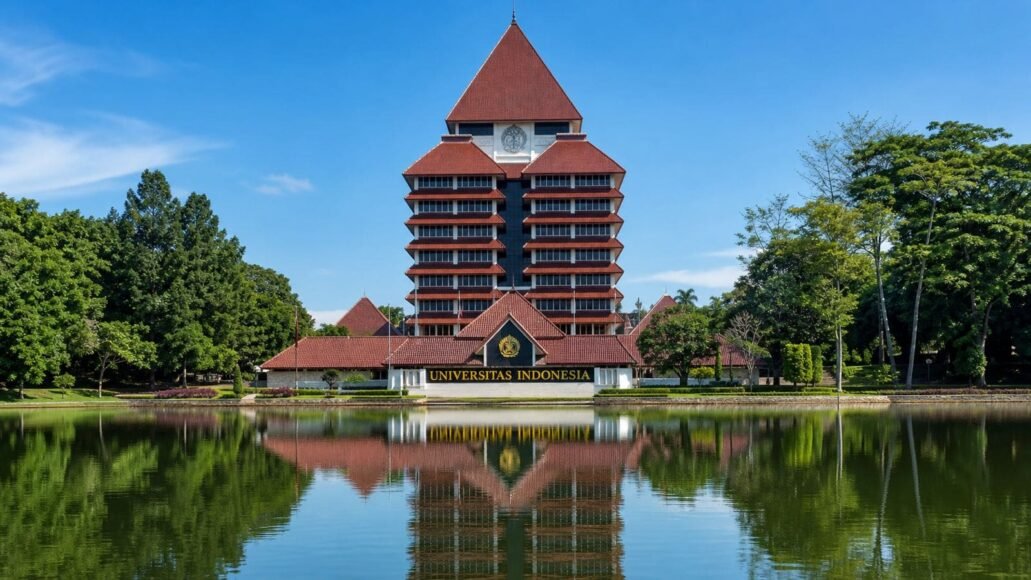
Indonesia and the EU at a Crossroads: Human Rights, Trade, and the Cost of Partnership
Jakarta (28 June 2026) – The European Parliament, on 21 May 2026, passed its first resolution on human rights in Indonesia in nearly a decade, with a vote tally of 469 to 38. This resolution coincides with the recent EU-Indonesia free trade agreeme

Investigation Launched into French Civilian Aircraft Incident
Paris, France, June 28, 2026 – Eurotoday Newspaper — Civil aviation investigation is underway after French authorities responded to an incident involving a civilian aircraft, triggering an immediate emergency response and a detailed technical review. Aviation officials secured the area, assisted passengers and crew, and launched an investigation to establish the facts surrounding the event. Auth

Record Heat Turns Europe’s Warnings Into an Emergency
France, Spain, and the UK Set or Challenge June Heat Records Amid Rising Health, Infrastructure, and Wildfire Risks Across Europe
Europe’s late-June heatwave has escalated from a forecast warning to a public safety emergency, with the World Meteorological Organization reporting record temperatures, tropical nights, and increasing pressure on health systems, schools, transport, and energy i

Europe’s strategic autonomy starts on the road
Si
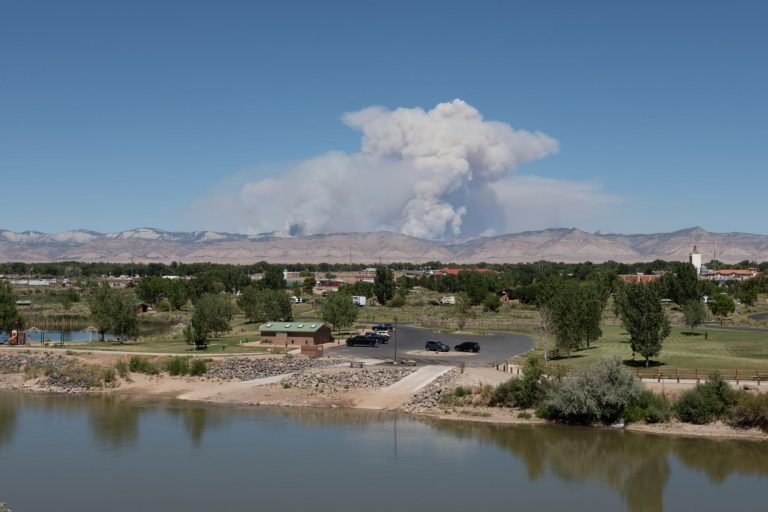
Tragic Wildfire Update: Three Firefighters Die Combating Snyder Blaze
Sarhan Basem is Eurotoday’s Senior Correspondent to the European Parliament. With a Bachelor’s degree in English Literature, Sarhan brings a unique blend of linguistic finesse and analytical prowess to his reporting. Specializing in foreign affairs, human rights, civil liberties, and security issues, he delves deep into the intricacies of global politics to provide insightful comment

EDF Announces Agreement for Sale
Press ReleaseThis article is based on a press release or official communication from Wire News Service. The European Times republishes it as a public service.
EDF signs agreement to sell its power solutions in North America
After a competitive process, EDF has signed an agreement where KKR commits to acquiring EDF power solutions’ operations and assets in the U.S. and Canada, with the op
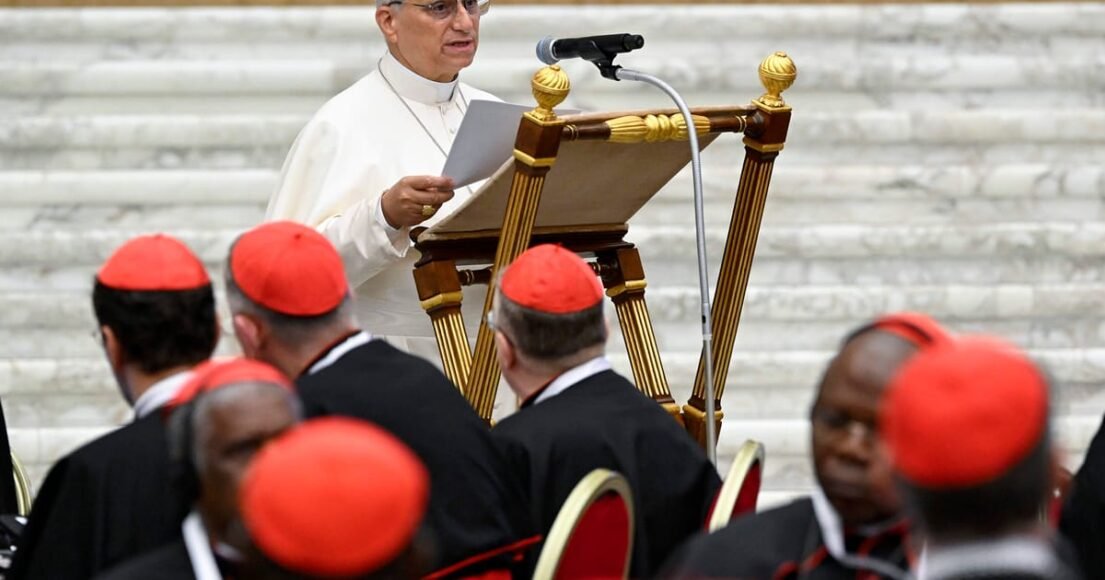
Vatican Criticizes EU for War-Related Double Standards
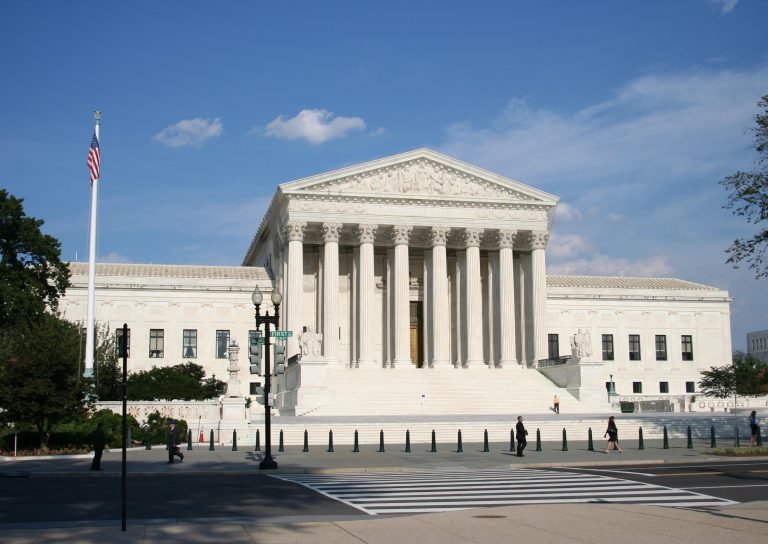
Supreme Court Immigration Ruling: 3 Key Decisions Anticipated Before Term Concludes
WASHINGTON, D.C., United States, June 28, 2026 – Eurotoday Newspaper — Immigration Supreme Court ruling remains one of the most closely watched legal issues as the U.S. Supreme Court prepares to release several landmark opinions before concluding its current term. Among the pending cases are disputes involving presidential authority over immigration enforcement and legal challenges connected to

Sleep Phase Protecting Brain from Dementia Discovered
Scientists have identified the sleep phase that lowers dementia risk, according to Science Alert and JAMA Neurology.
A restful night’s sleep is crucial for maintaining body health and functionality. Its significance extends beyond common assumptions, scientists assert.
Research indicates that with age, dementia risk
Leave a Reply