



Dhaka (Eurotoday) – European Commissioner for Equality, Preparedness and Crisis Management Hadja Lahbib emphasized the need for increased cooperation in disaster management, preparedness, and climate change, including flood control. She stated that the European Union is keen to exchange “good practices” and preparedness techniques with Bangladesh.
During a meeting, the visiting European Commissioner praised Chief Adviser Prof. Muhammad Yunus for his leadership during a critical time in the country.
“You did an extraordinary job at an extraordinary time. My main message is that we are ready to reinforce our cooperation.”
Lahbib noted that the EU is set to provide 68 million euros this year for the Rohingya response, including support for host communities in Bangladesh and assistance for those affected by violence in Myanmar’s Western Rakhine state.
How does the EU plan to tackle climate challenges in Bangladesh?
The Commissioner acknowledged that while the funding is more than last year’s initial EU assistance, it remains insufficient to prevent a potential worsening of the humanitarian situation in the refugee camps.
She stressed that peace is the only viable solution.
“We need to remain prepared for all kinds of disasters, including man-made disasters. Such disasters also include disinformation.”
She added.
The European Commissioner also reaffirmed the EU’s support for the Interim administration’s reform plans.
“It is a very important strategic window that we are witnessing. We know there is always resistance when you want to change something. So, a lot is needed to be done. We are here beside you.”
She stated.
Honoured to meetblank”>@ChiefAdviserGoB Muhammad Yunus.
EU supports the reform ambitions of interim government for peaceful & inclusive political transition.
We look forward to negotiating a new comprehensive partnership agreement with Bangladesh.
1/3 blank”>pic.twitter.com/jHkxfyqzYP
— Hadja Lahbib (@hadjalahbib) March 3, 2025
What did Prof. Yunus say during the meeting?
In response, Prof. Yunus reiterated his government’s commitment to addressing the Rohingya humanitarian crisis, calling it a “major issue” for Bangladesh.
“It has been going on for several years without any solution. There’s no expiry date.”
“We are very happy to see you visit Bangladesh. The UN secretary-general is coming. We are trying to draw international attention to the Rohingya crisis.”
Stated Prof. Yunus.
“We talk about renewable energy, and here is the renewable energy. Both Nepal and Bhutan are very keen to sell renewable energy to us.”
The Chief Adviser added.
Comments
Last News

Irish Climber Alexander Harris Discovered Deceased After Siran Valley Mountain Search in Pakistan
Mansehra, Pakistan, 3 September (Brussels Morning Newspaper) – An Irish climber death has been confirmed in northern Pakistan after search teams recovered the body of Alexander Mark Harris from a gorge in the Siran Valley, ending a difficult operation involving more than 250 police personnel, mountaineers, forest officials and local residents.
Harris, 30, a dual Irish-British citizen who had bee
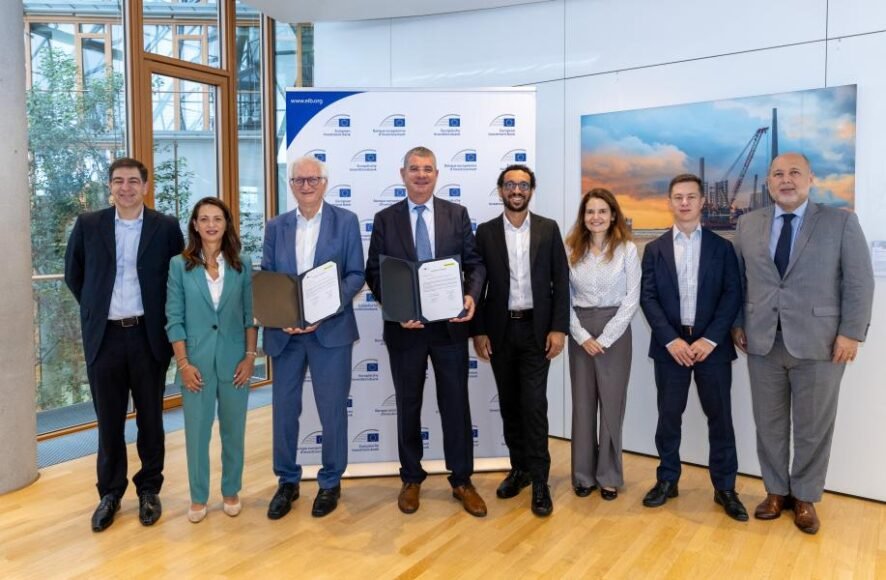
EIB Global and Banco do Brasil Unlock €500 Million for Women Entrepreneurs and Sustainable Development in the Amazon Region
European Investment Bank
€250 million EIB Global financing agreement with Banco do Brasil enables €500million in microcredit for women-led microbusinesses in Brazil’s Legal Amazon region.
Financing aims to reach around 50,000 women entrepreneurs, boosting women’s economic empowerment and sustainable development in the Amazon.
The initiative supports the EU-Brazil Green Deal, EU’s strategic
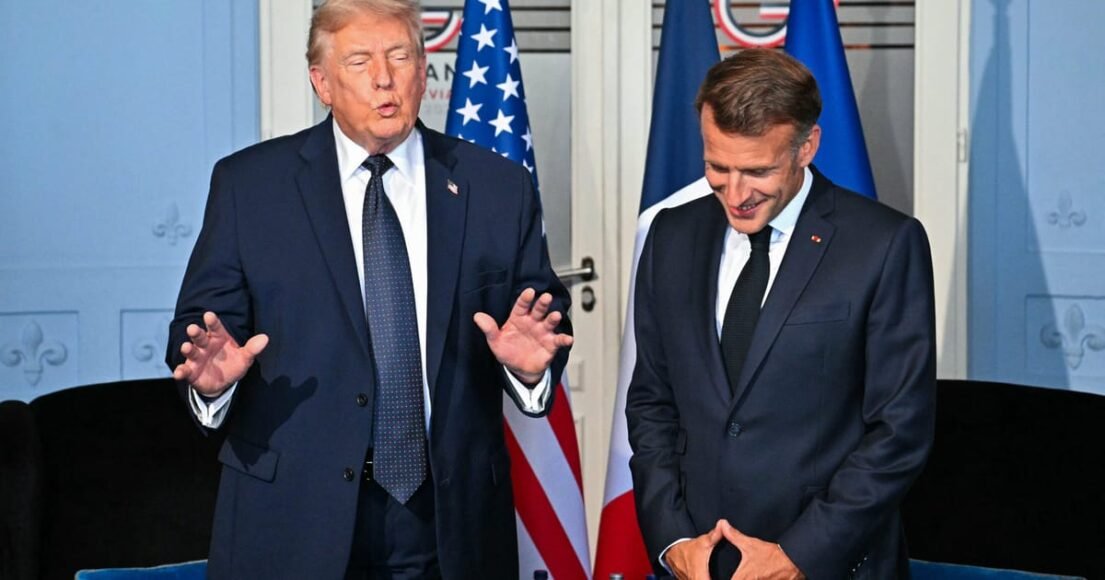
La Maison-Blanche incite les entreprises américaines à boycotter le sommet spatial de Macron
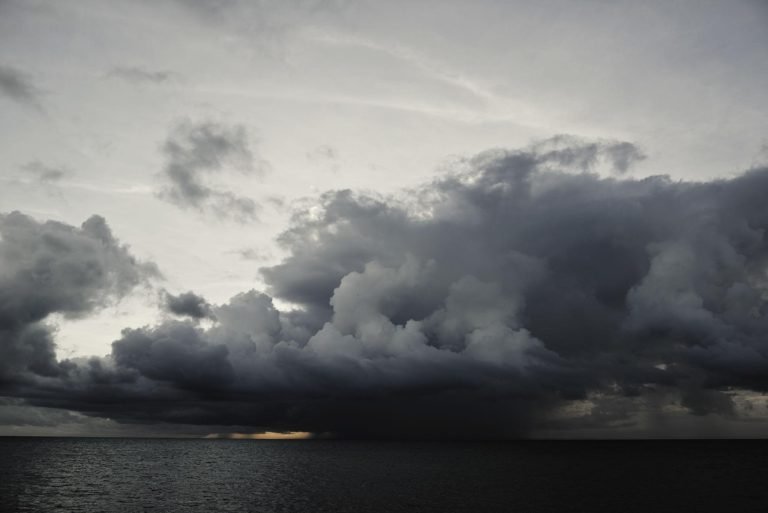
El Niño to Reach Powerful Peak and Increase Extreme Weather Risks – Geneva
Geneva, 3 September (Brussels Morning Newspaper) – El Niño 2026 is expected to intensify into a very strong climate event towards the end of the year and persist until at least February 2027, increasing the risk of disruptive weather across several regions, according to the World Meteorological Organization (WMO).
The UN weather agency says forecasts indicate a near 100% probability that El Niño

Green Leader Zack Polanski Bids for Keir Starmer’s Former Seat
Polanski still requires selection by local Green Party members, expected to occur next week.
In his campaign pitch, Polanski stated, “v

Arteta Praises Arsenal’s Maturity After Victory Over Aston Villa in Birmingham
Birmingham, 1 September (Brussels Morning Newspaper) – Mikel Arteta praised Arsenal’s maturity, squad strength and ability to manage difficult moments after Bukayo Saka’s second-half goal secured a 1-0 Premier League victory over Aston Villa at Villa Park. The Arteta Aston Villa reaction centred on the way Arsenal controlled pressure and found a way to win a demanding away fixture.
Why Arteta
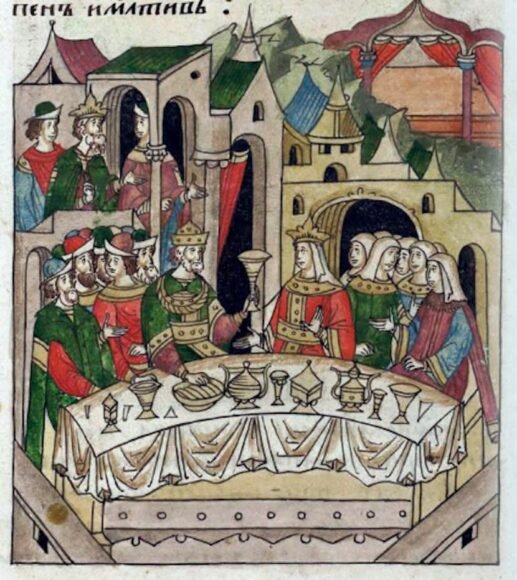
Divine Wisdom in the Old Testament: Concepts and Imagery (Part 2)

Dublin Challenges Europe’s Budget Boundaries
Meanwhile, the critical regional election
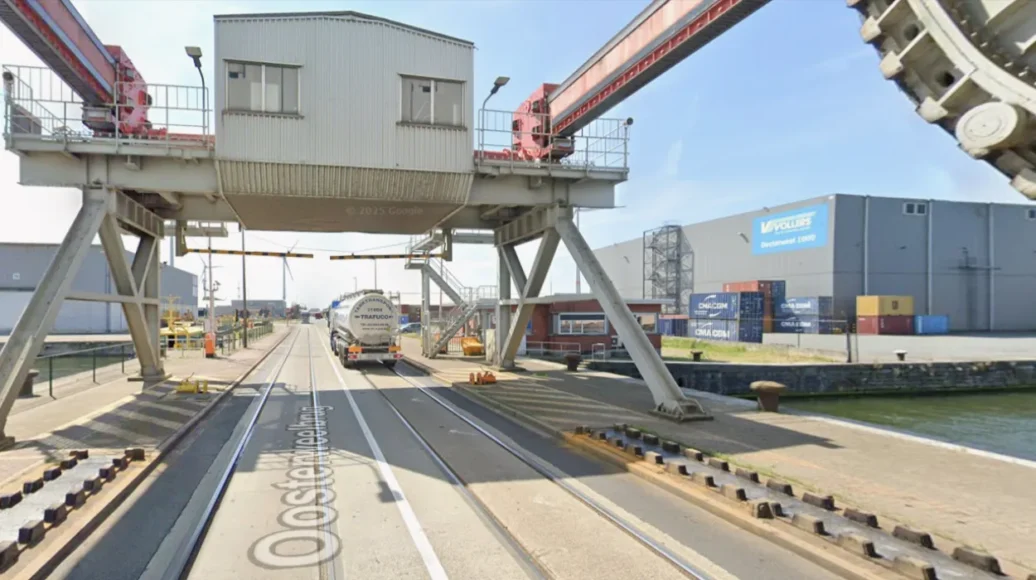
Oosterweel Works Close Deurne On-Ramp on Antwerp Ring for Weekend
Antwerp (Eurotoday Newspaper) – Motorists heading from Deurne onto the Antwerp Ring (R1) towards Ghent and Brussels will face a full closure this weekend as part of the ongoing Oosterweel connection programme.
The Deurne entrance will be fully blocked from Friday night September 4th, starting at 23:00, through Sunday morning September 6th, until 11:00, as announced by the traffic information an
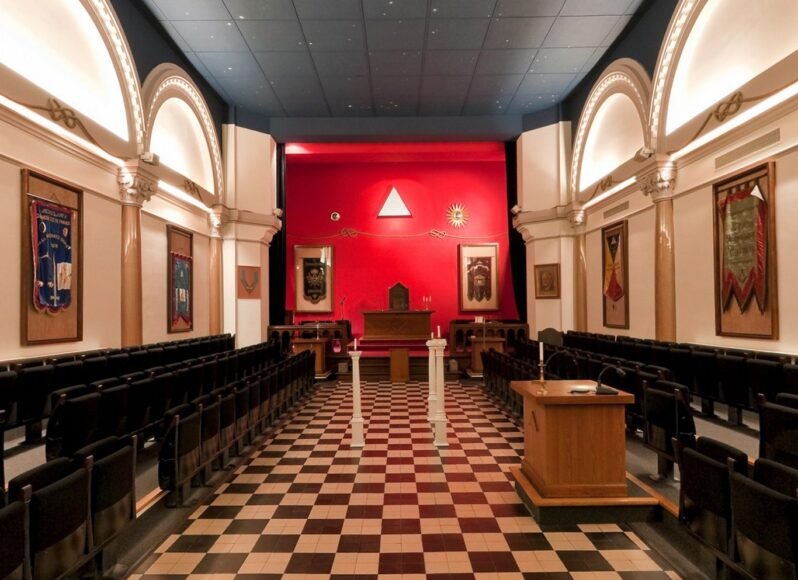
Ceremonial: Addressing Brethren in Freemasonry
In different rituals, specific titles are used at each initiation degree during official meetings. In the 1st and 2nd degrees, Masons are called Brethren; in the 3rd, Worshipful Masters; in the 4th, Secret Masters; in the 5th, Worshipful Secret Masters; in the 6th, Guardians of Solomon; in the 7th, Priests and Judges; in the 8th, Gloriou
Leave a Reply