



Santa Cruz de Tenerife – The president of the Canary Islands, Fernando Clavijo, has urged his counterpart in Madeira, Miguel Albuquerque, to form a united front among the nine outermost regions (OMR) to collectively defend their unique status within the EU, especially considering the “threat” posed by the new multiannual financial framework.
In a letter responding to Madeira’s president, Fernando Clavijo has called for these territories, covered under Article 349 of the Treaty, to respond “in a coordinated manner and as one voice” to the proposed multiannual financial framework for 2028-2034, which he believes could jeopardize the economic and social development of the OMR.
The Canary Islands’ leader shares the concerns expressed by the Madeira president regarding the implications of a document from the European Commission, which allows individual States to dictate the distribution of European funds and removes “specific resource pools” for the OMR that have been preserved in all prior EU budgets.
As a result, Fernando Clavijo warns that the implementation of the Brussels proposal from July 16 would represent “an unacceptable regression in the special treatment that the outermost regions have historically received to mitigate their inherent disadvantages, rights that have been acknowledged for decades in the EU,” as stated by the Canary Government on Monday.
Furthermore, the president of the Canary Islands agrees with his Portuguese counterpart in highlighting the “serious” consequences that may arise from the absence of specific measures that recognize the structural and ongoing limitations faced by the outermost regions.
He notes that “the lack of additional funding in the ERDF and ESF+, along with the absence of a dedicated budget line for Posei and support for additional costs in the fishing sector, represent unacceptable regressions that threaten the economic and social progress of our territories.”
Clavijo asserts in his letter to Albuquerque that in light of this “threat,” the nine OMR and their three States -Spain, France, and Portugal- must “respond decisively and quickly, but most importantly, with unity to safeguard our collective interests.”
To facilitate this, the regional government leader proposes the creation of a unified front with the president of Madeira to “articulate a joint position before European institutions, aiming to secure fair, coherent, and stable treatment for all OMR within the future financial and legislative framework.”
He adds that the objective is to ensure the OMR are recognized as a collective group requiring specific treatment and funding.
“I firmly believe that it is only through unity and determination that we can ensure the European Union upholds its commitment to our regions, as outlined in Article 349 of the Treaty,” the president states, affirming that the Canary Government is “fully committed to collaborating on this initiative and actively contributing to the formulation of a collective strategy to advocate for our rights and needs.”
Canary Islands Already Expressed Concern to Von der Leyen
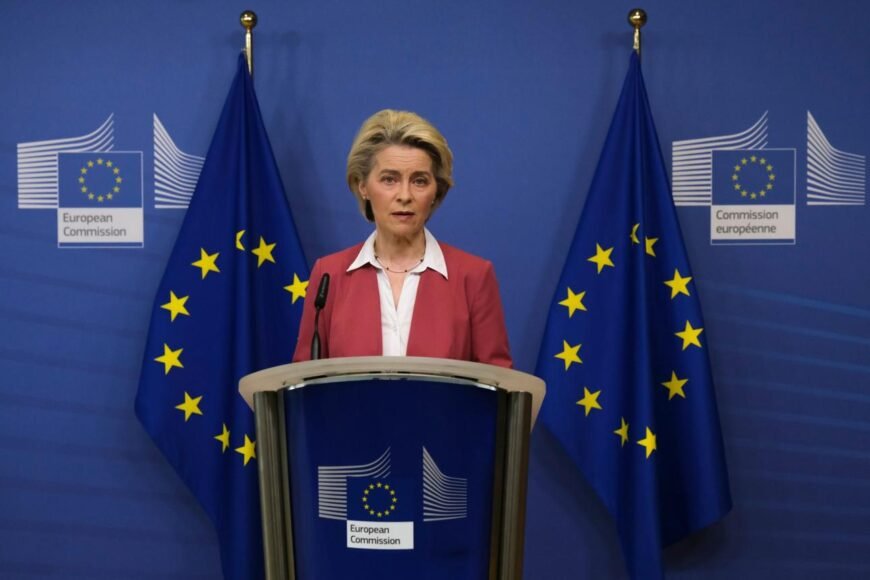
This response to Madeira’s letter follows Fernando Clavijo’s earlier communication on July 31 to the president of the European Commission, Ursula Von der Leyen.
In that letter, the Canary leader expressed his “deep concern” regarding the new Multiannual Financial Framework and its potential negative impacts on the archipelago, urging the protection of direct funds for the outermost regions.
Clavijo cautioned Von der Leyen that the EU’s proposed financial framework for 2028-2034 would leave resource allocation to the States, thereby “undermining 50 years of cohesion policy developed with and for the European regions closest to citizens, which have successfully utilized EU funds to enhance economic convergence and citizens’ quality of life.”
This shift in policy places the funds that the archipelago previously secured as an OMR in jeopardy, subject to State discretion.
In the 2021-2027 financial framework, the Canary Islands were allocated over 4.6 billion euros due to their status as an outermost region.
Additionally, through the European Regional Development Fund (ERDF) and the European Social Fund (ESF), the islands are slated to receive






Leave a Reply