


Britain’s new government has spent much of the autumn mired in debates over its position on the EU’s proposed youth mobility scheme — seen by Brussels as a critical step in resetting relations. The Labour-led administration remains hesitant, concerned that the scheme might evoke comparisons to EU migration, a thorny political issue in the UK. While the government hasn’t definitively rejected the idea, its official stance remains that it has “no plans.” Nevertheless, the issue has continued to generate scrutiny.
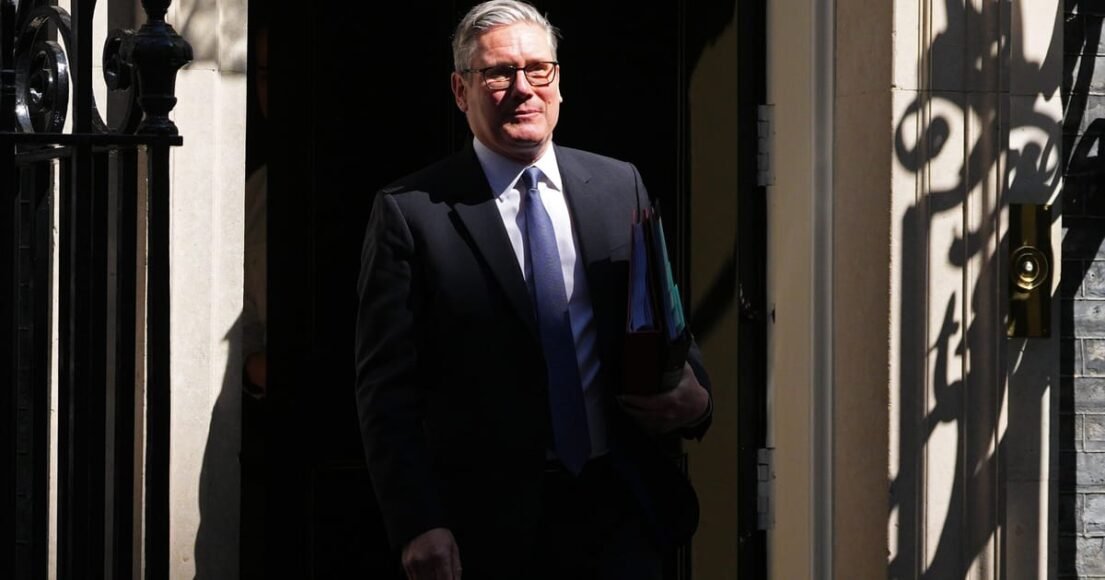
“We’ve been clear from the outset that freedom of movement is a red line for us. We have no plans to reintroduce free movement policies, but we’re engaged in discussions,” Labour leader Keir Starmer told the Brexit-backing Sun newspaper in the lead-up to Christmas, when pressed on whether his government would back such a scheme.
Unlike full freedom of movement, a youth mobility program would primarily facilitate time-limited visas for young Britons and Europeans to live and work across the Channel for a few years. While the proposal has broad public support in polling, Labour strategists are wary of its potential political ramifications.

Brexit Minister Nick Thomas-Symonds regularly meets with EU official Maroš Šefčovič. | Benjamin Cremel/Getty Images
Even with only preliminary discussions underway and few concrete proposals, Starmer has already been accused of betraying Brexit principles by Euroskeptic critics at home. Conservative opposition leader Kemi Badenoch used her final parliamentary question before the Christmas recess to attack Starmer, accusing him of “planning to give away our hard-won Brexit freedoms.” The backlash has also extended to Britain’s tabloids, with some referring to the civil servants tasked with these EU talks as a “surrender squad.”
Across the Channel, European patience appears to be running thin. During a recent visit to the UK, a delegation of European Parliament members expressed frustration at the lack of clear direction. The chair of Strasbourg’s Committee on Foreign Affairs invoked ’90s pop culture in their remarks, quoting the Spice Girls: “Tell us what you want, what you really, really want.” In December, the European Parliament’s delegation to the UK passed a resolution warning Labour that “concrete commitments” were needed to avoid the current dialogue devolving into what it described as a “reset in name only.”
Meanwhile, shifts in European politics have created additional hurdles for Starmer’s diplomatic approach. After spending much of his first months in office fostering a strong partnership with German Chancellor Olaf Scholz, Starmer now faces the reality of Scholz’s impending departure. The German leader, expected to be succeeded by a more conservative government, will leave a significant gap in Labour’s cornerstone EU relationship.





Leave a Reply