


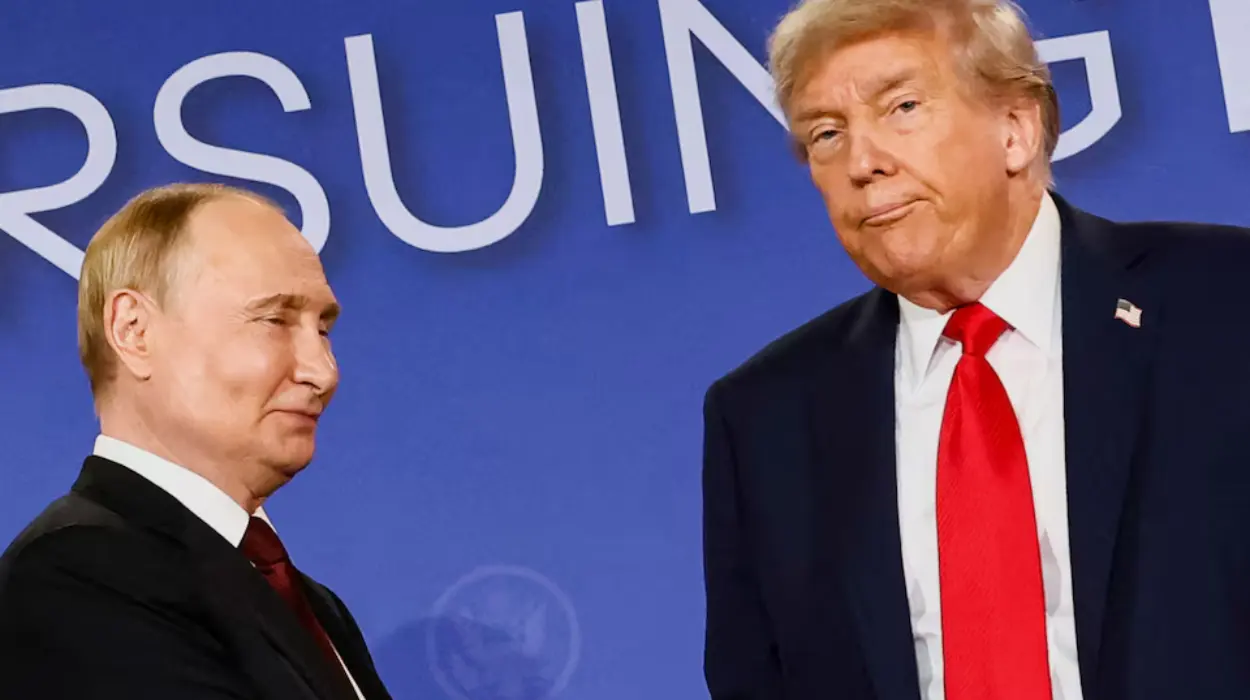
In the crisp air of Anchorage, Alaska, two leaders whose fates have long been intertwined met once again: Donald Trump and Vladimir Putin. This summit on August 15, 2025, billed as a bold attempt to broker peace in Ukraine, unfolded against a backdrop of escalating global tensions. Yet, as the press conferences revealed, it was less a breakthrough than a carefully staged performance – one where Putin emerged as the shrewder player, extracting symbolic victories without yielding an inch on substance. Drawing from their post-meeting statements, it is clear that while Trump sought a quick win, Putin played a longer game, reinforcing Russia’s position in a multipolar world order.
Trump’s remarks were characteristically optimistic, laced with the bravado that defines his diplomacy. “We made great progress,” he declared, emphasizing that “many, many points” aligned between the two nations. He painted a grim picture of the Ukraine conflict – “five, six, seven thousand people a week” dying – and insisted Putin shared his desire to end the bloodshed. Yet, in a rare moment of candor, Trump admitted, “We didn’t get there,” referring to a ceasefire that had been the summit’s ostensible goal. His brevity was telling; absent were specifics on agreements or timelines, replaced by vague assurances of future talks. When Putin quipped in English, “Next time in Moscow,” Trump chuckled, “I could see it possibly happening,” signaling openness to deeper engagement.
Putin, by contrast, was measured and expansive, framing the meeting as a historic reset. “The past period was very difficult for bilateral relations… they have slid to the lowest point since the Cold War,” he noted, praising Trump’s “desire to delve into the essence” of the Ukraine crisis. He reiterated Russia’s narrative: the conflict stems from “fundamental threats to our national security,” requiring the elimination of “root causes” like NATO expansion, Ukraine’s military capabilities, and Western influence in Eastern Europe. Putin agreed with Trump on ensuring Ukraine’s security but conditioned peace on addressing Russia’s “legitimate concerns” for a “fair balance” in global security. He lauded the “constructive atmosphere of mutual respect” and hinted at an unspecified “agreement” on Ukraine, while extending economic olive branches in energy, tech, and Arctic cooperation. The tone was one of guarded optimism, with Putin establishing “very good business-like and trusting contact” with Trump, predicting a swift end to the war if dialogue continues.
In the short term, the implications are stark and sobering. No ceasefire materialized, allowing Russia’s grinding advance in Ukraine to persist unabated. Ukrainian President Volodymyr Zelenskyy, sidelined from the talks, now heads to Washington amid reports of frustration in Kyiv and European capitals. Trump’s failure to secure even a pause in hostilities underscores the limits of his deal-making prowess against an entrenched adversary. For Putin, the summit was a propaganda coup: welcomed with a red carpet on American soil – the first such high-level engagement in years – he shed his pariah status without concessions. Facing unfiltered questions from Western journalists – “Will you stop killing civilians?” – he shrugged them off, a smirk betraying his confidence in the controlled narrative back home. Domestically, this bolsters Putin’s image as a statesman reclaiming Russia’s great-power status, potentially stabilizing his regime amid economic strains from sanctions.
The long-term ramifications, however, cut deeper, echoing the tectonic shifts in international relations that have defined the post-Cold War era. By engaging Putin directly, Trump risks fracturing the transatlantic alliance that has contained Russian aggression since 2014. European leaders, already wary of Trump’s “America First” approach, fear a bilateral U.S.-Russia deal that sidelines NATO and Ukraine’s sovereignty. Putin’s insistence on “root causes” isn’t mere rhetoric; it demands a rewrite of Europe’s security architecture, potentially capping Ukraine’s defenses and blocking its path to NATO or the EU – demands Kyiv views as capitulation. If pursued, this could
Comments
11 responses to “Anchorage Echoes: The Fall of Containment and the Rise of a Cold Peace”
-
In the grand theater of diplomacy, it seems we’ve got a classic case of “let’s pretend to talk peace while the popcorn’s still popping.” 🍿 Watching Trump and Putin play their little game is like witnessing two blokes in a pub arguing over who’s paying for the next round, while the whole place is on fire. 🔥
-
Looks like the summit was just another episode of “Who Can Pretend Better?” – Trump with his cheerleader routine and Putin playing chess while we’re all stuck watching checkers. 🥴
-
So, two political titans decide to have a cozy chat in Anchorage, but instead of resolving anything, they just exchanged pleasantries and call it progress. Classic! 🤦♂️ If only they’d brought some biscuits for a proper tea instead of just empty words and a side of geopolitical theatrics!
-
Nothing says “trust” like a summit where one leader gets a red carpet and the other just gets the cold shoulder! 😂 Let’s just hope Trump brought some extra “good vibes” for those pesky “root causes” of war, eh? 🥴
-
“Looks like the new Cold Peace is just a fancy way of saying, ‘Let’s pretend to shake hands while we continue to stab each other in the back,’ eh? 😂 Who knew diplomacy could be such a grand theatre!”
-
So, we’ve got a peace summit that sounds more like a bad soap opera – two blokes shaking hands on a stage while the world burns in the background. Bravo, I say! 🎭 Just what we needed: a “historic reset” that reset absolutely nothing! 😂
-
Just what we need, another theatrical summit to showcase the art of not negotiating. I suppose “great progress” means finding new ways to agree to disagree while putting on a show for the folks back home. 🤷♂️
-
Fantastic, a summit where two chess masters play checkers while the world burns. I suppose letting Putin strut on the red carpet is just the latest fashion statement in diplomacy, eh? 🇷🇺💃
-
Another riveting episode of “Guess Who’s Back?” with Trump and Putin. Who needs real diplomacy when you can just play chess with global security like it’s a Sunday pub game? 🍻
-
What a charming little playdate between Trump and Putin in Anchorage! Just what we need—more “great progress” and “very good business-like” chats while the world watches like it’s a soap opera rerun. 😂
-
Seems like the summit was less about peace and more about putting on a show for the cameras—classic Trump, eh? 🤷♂️ Meanwhile, Putin’s playing chess while everyone’s stuck on checkers. 🎭

Last News
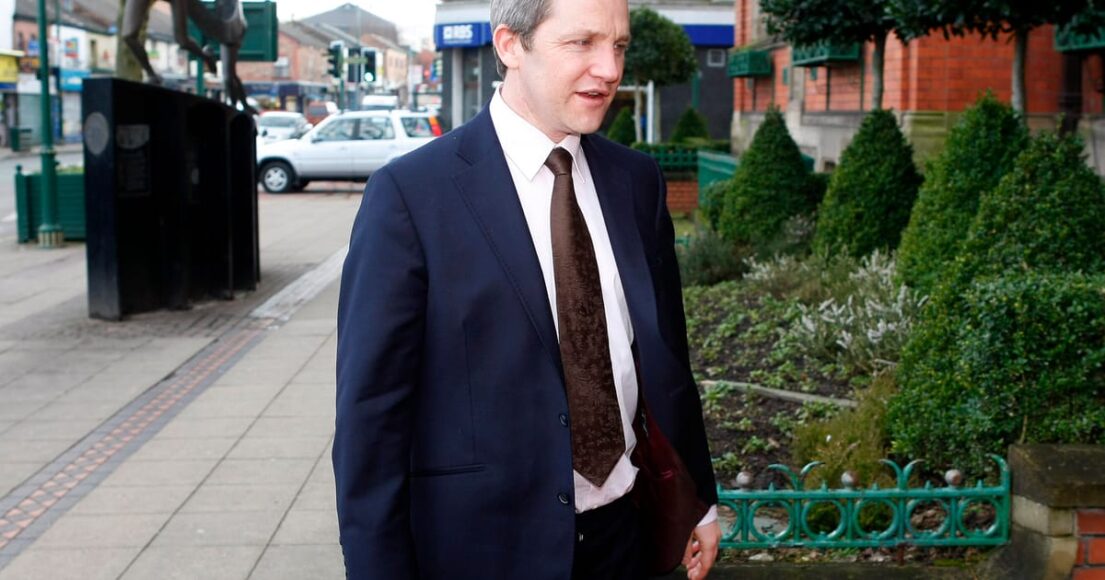
Andy Burnham Appoints Former Blair Minister James Purnell as Chief of Staff
In 2013, he became the BBC’s director of strategy, later joining the lobbying firm Flint Global as chief executive in 2024. His financial interests in Flint may require assessment under conf
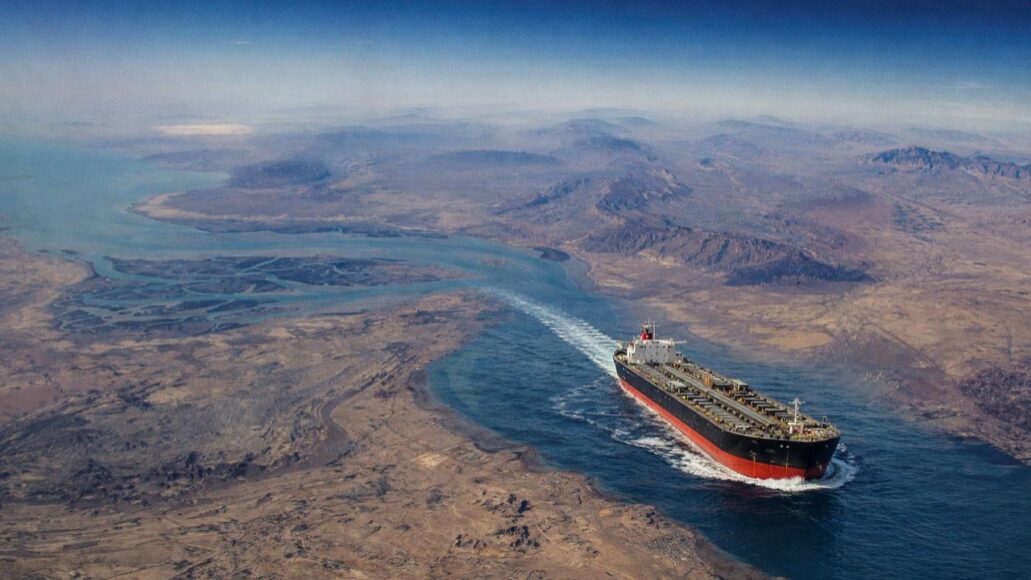
The Iran Deal Masks the Imminent Challenge for Global Shipping’s Dual-Level Resilience
G7 leaders last week endorsed the US-Iran memorandum of understanding, praising the framework for reopening the Strait of Hormuz and easing energy market volatility. Crude futures have eased as initial tanker movements resume. Yet this surface calm masks a deeper structural shift: the agreement formalizes a two-tier maritime system where state-aligned energy flows receive preferential risk treat

Norway Advances to the Knockouts
Haaland’s brace propels Norway back into World Cup prominence
Norway advances to the World Cup round of 32 with a 3-2 victory over Senegal, marking a significant achievement beyond Erling Haaland’s scoring prowess. Absent from tournament knockouts since 1998, Monday’s win in New Jersey was a breakthrough, highlighting the expanded World Cup’s potential for lesser-known nations.
By Daniel Mercer,
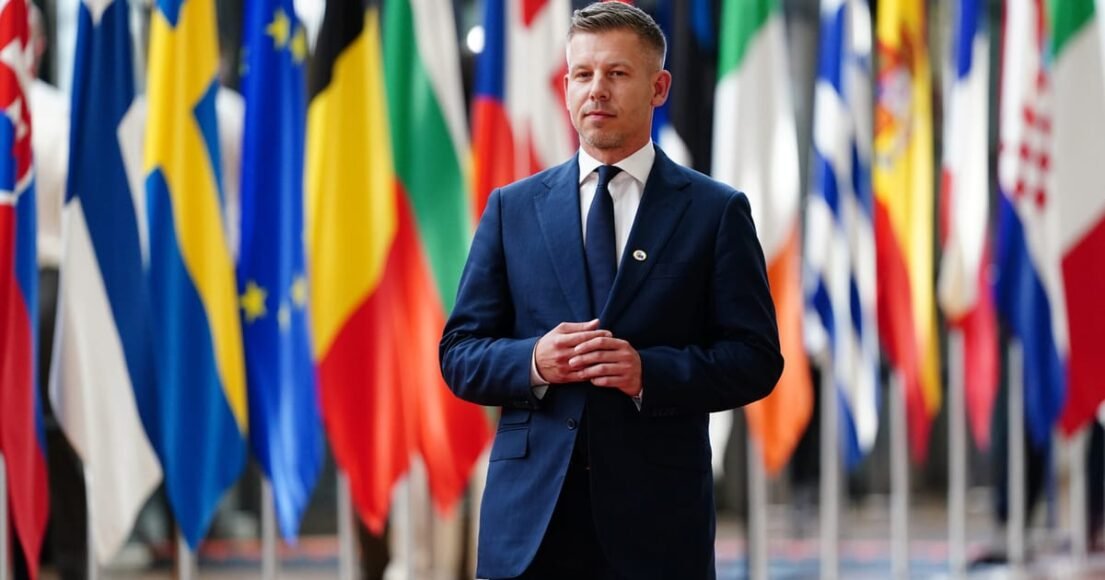
Hungary Halts EU Membership Efforts for Ukraine and Moldova
The Hungarian Permanent Representation in Brussels did not respond to a request for comme
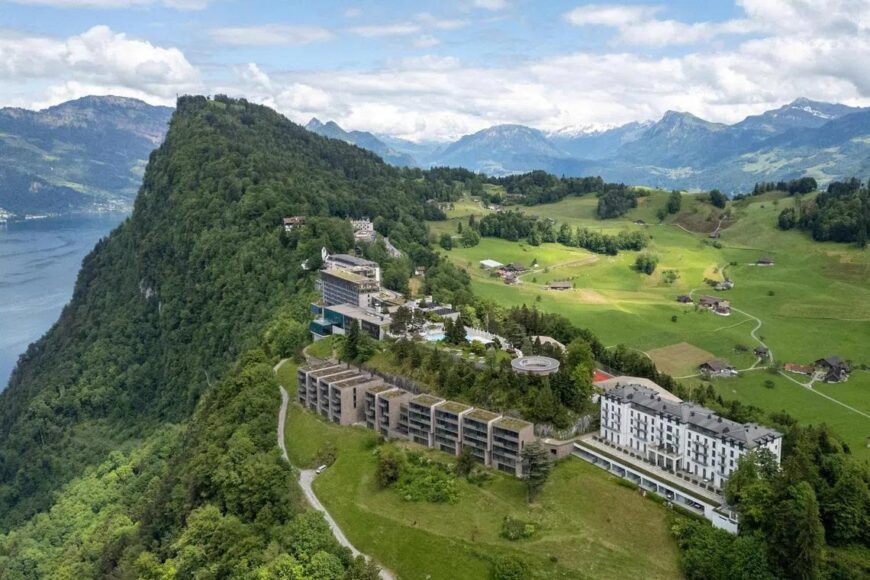
The Bürgenstock Moment and What Pakistan Must Do With It
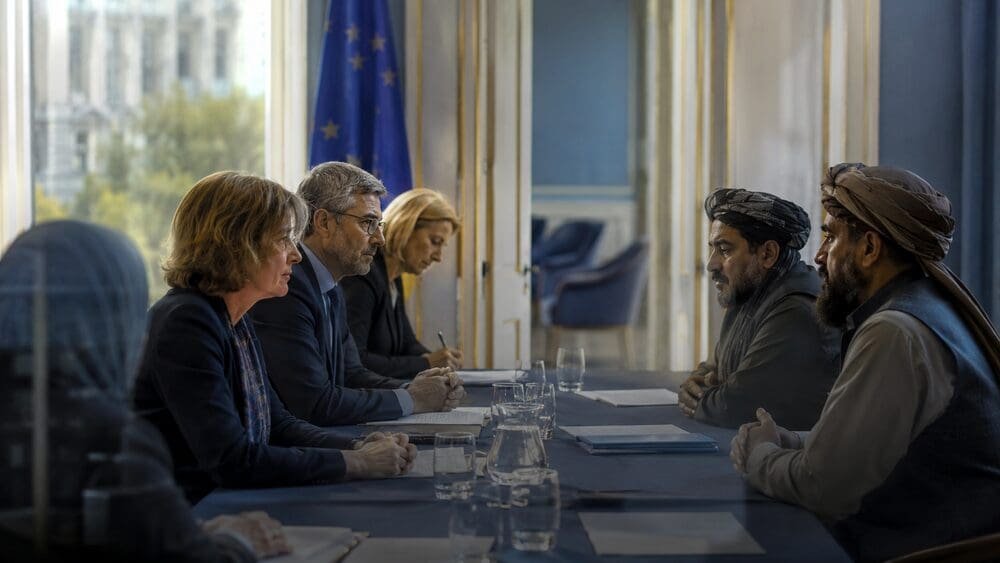
Taliban Negotiations Criticized Over EU Return Policy
The European Union is facing backlash over a meeting in Brussels with Taliban representatives to discuss migration returns, which critics say may weaken Europe’s stance on non-recognition, women’s rights, and protection from for
Zelenskyy to Miss Ukraine Recovery Conference Amid Poland Dispute
“I am leading Ukraine’s delegation and our overall work at the Ukraine Recovery Conference 2026 in Gdańsk,” Svyrydenko po
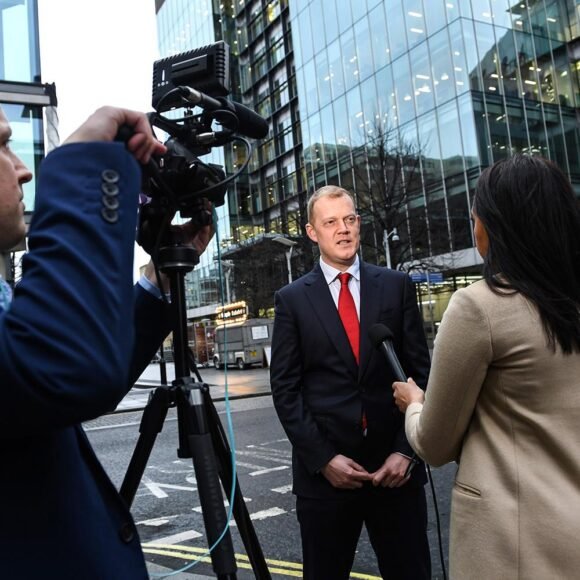
Enhancing Online Reputation Management with Digital PR for Improved Google Rankings in the UK
London, June 23 – Eurotoday Newspaper — Online reputation management has become an increasingly important part of Digital PR strategies as UK businesses compete for stronger visibility in Google Search and greater customer trust. Industry experts say companies that invest in high-quality media coverage, authoritative backlinks, and expert-led content are more likely to strengthen their online pr

Pay Transparency in the EU Divides Workplaces
European workers are entering a new stage in the equal pay debate as EU salary transparency rules are set to be applied in workplaces following the 7 June transposition deadline. This reform aims to uncover hidden pay discrimination, but inconsistent implementa
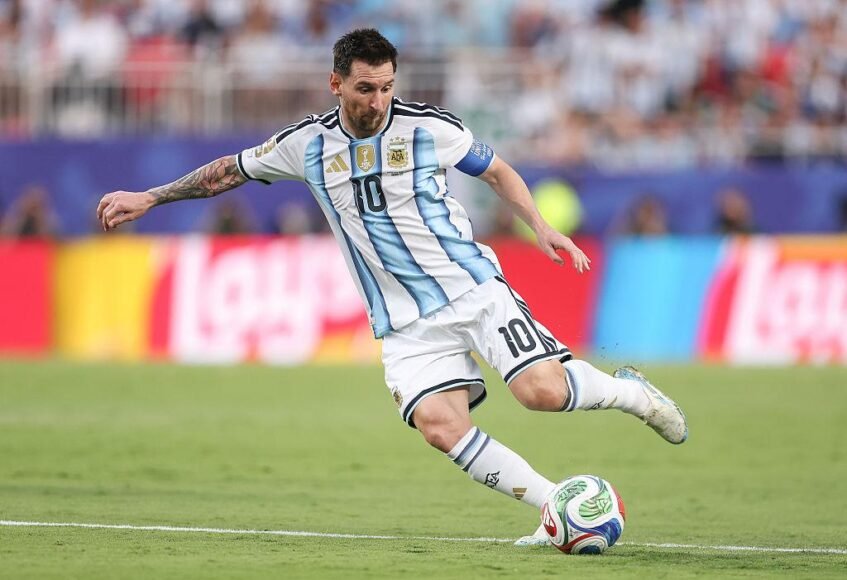
Messi’s 17th Goal Sets New World Cup Record for Argentina
MIAMI, United States, June 22 – Eurotoday Newspaper — Argentina national team celebrated another historic milestone as captain Lionel Messi scored his 17th FIFA World Cup goal, becoming the highest-scoring player in men’s World Cup history. The record-breaking strike further strengthened the Argentina national team‘s campaign while adding another remarkable achievement to Messi’s legendary inter
Leave a Reply