


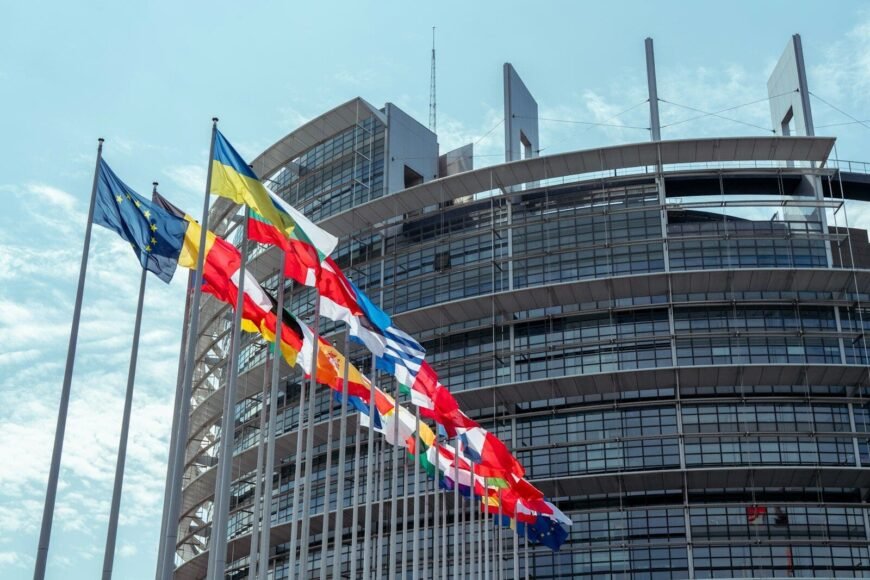
One of the most politically sensitive issues in Brussels is the €1.2 trillion EU budget, which dictates spending across various priorities, from aid to Ukraine to support for cultural projects like film subsidies. Eastern European and Nordic states, such as Poland and Sweden, are pushing for increased defense spending. Meanwhile, Southern European nations, including Italy and Greece, are advocating for more resources to curb migration flows from Africa.

A critical debate centers on how many conditions member states must meet to access allocated funds. The European Commission wants member states to pursue key economic reforms in exchange for budgetary access. However, Eastern European countries—the primary beneficiaries of such funding—strongly oppose this conditional approach.
EU countries will define their negotiating positions on the next budget in 2025. Still, history suggests that leaders are likely to quarrel until the eleventh hour before reaching a hard-fought compromise.
Clean Tech vs. Toxic Risks
As nations and industries accelerate efforts to combat climate change, many emerging technologies raise their own risks by relying on harmful chemicals with long-term consequences. Chief among them are so-called “forever chemicals,” or PFAS, whose dangers scientists are only beginning to understand. Growing concern over PFAS has prompted the EU to take steps toward phasing these substances out in sectors critical to the green transition. The European Commission is also expected to propose revisions to its chemical safety regulations to better shield citizens from exposure to hazardous substances.
In 2021, the Commission pledged to reduce the EU’s pollution levels to a point “no longer considered harmful” to human health and the environment by 2050. But the reality of the last three years—marked by two wars, an energy crisis, and fears of a looming debt crisis—has shifted priorities significantly.
In the coming years, EU lawmakers and governments will grapple with a central challenge: how to tighten chemical regulations without undermining the bloc’s ambitions for clean energy and climate neutrality. Balancing safety for people and the environment with the drive for a sustainable energy transition is likely to spark contentious debates.
This report was contributed to by Jacopo Barigazzi, Douglas Busvine, Leonie Cater, Federica Di Sario, Carlo Martuscelli, Francesca Micheletti, Barbara Moens, Gregorio Sorgi, and Nicholas Vinocur.



Leave a Reply