


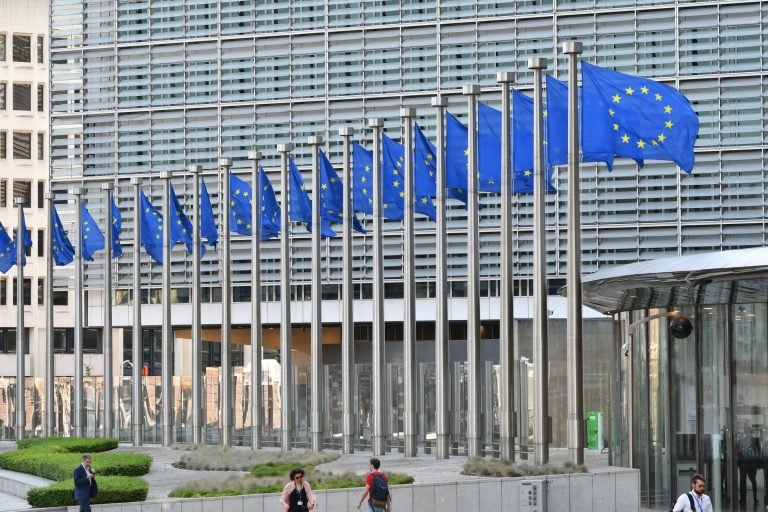
BRUSSELS – The recent decision by the EU Council to lift border checks between Bulgaria and Romania marks a historic milestone, according to Hungary’s permanent representative to the EU, Ambassador Bálint Odor. He expressed this sentiment in an interview with BTA, highlighting it as a significant accomplishment of the Hungarian presidency.
Ambassador Odor voiced optimism that in the final two weeks of Hungary’s presidency, there would be renewed momentum for Western Balkan countries in their EU aspirations, particularly regarding potential advancements in negotiations with Albania and Montenegro.
“Our goal is to witness the end of the war in Ukraine,” he emphasized, mentioning that the EU Council is anticipated to endorse new sanctions against Russia next week. “As president of the EU Council, we have acted as an honest broker,” he added.
The following is the full text of the interview:
The Hungarian presidency achieved a historic breakthrough with yesterday’s decision by the EU Council on Bulgaria and Romania. How was this possible after such lengthy negotiations?
We are thrilled by this decision, as it was a central focus of Hungary’s presidency. After 14 years of discussions, a historic agreement was reached. This outcome is the result of persistent mediation and efforts from our presidency and stands as one of its greatest successes.
It may be worth noting that during our first presidency in 2011, we also prioritized the full integration of Bulgaria and Romania into Schengen. While that goal took longer to achieve, we are now honored to have completed this process.
Several crucial meetings facilitated this decision, one of which occurred in Budapest last November. This meeting was essential for setting the stage for the decision’s adoption, with representatives from Austria, Bulgaria, and Romania present. The Hungarian presidency played a key role in mediating discussions on border security and migration control strategies.
For us, this accomplishment is historic—not just for Bulgaria, Romania, and Hungary, but for the entire EU.
Do you consider this the greatest achievement of Hungary as president of the EU Council?
Personally, I believe this is our most significant achievement during the presidency. We have also seen successes in other critical EU policy areas for the next five years, including competition, migration, justice and home affairs, and agriculture.
A key objective for the EU is to enhance competitiveness and implement new strategies to combat illegal migration. Significant preparatory work has already been done, and we are pleased with the progress made.
In terms of EU enlargement, we aimed to expedite the integration process for Western Balkan countries. These nations have been waiting for quite some time. The first significant breakthrough was with Albania, where substantive negotiations have commenced. We are hopeful for further advancements in the coming days, including additional intergovernmental conferences with Albania and Montenegro by year’s end, as well as progress with Serbia. We must send a positive signal to the region, especially with the upcoming EU-Western Balkans meeting in Brussels.
Moreover, for the first time in EU history, we achieved unanimity on the objectives of EU agricultural policy for the coming years, advancing legislative issues that had long been stalled.
Will Hungary maintain border checks with Romania?
In the forthcoming months, we will implement targeted police checks, akin to those currently in place at the Austrian-Hungarian border. We anticipate these measures to be temporary, lasting about six months.
Was Hungary an honest broker in discussions regarding new EU sanctions against Russia?
I believe we acted as an honest broker on this matter and others. A proposal from the European Commission was included in our agenda, discussed, and supported by ambassadors, with approval expected next week.
Could Hungary play a special role in the EU’s relations with the USA during Donald Trump’s potential second presidential term?
Every EU member state aims to collaborate with the new U.S. administration. This intention was evident at the informal European Council meeting in Budapest shortly after the elections. There exists a positive rapport between Prime Minister Viktor Orban and President-elect Trump, positioning Hungary as a potential bridge in these relations. We will await the inauguration of the new administration in the U.S.
As an EU diplomat, what do you hope to see happen in the New Year?
I desire peace, alongside greater stability and predictability, particularly in regions surrounding the EU. We need to assume a more stabilizing role, which I believe is attainable, and we will strive diligently toward this objective. Our goal is to see the end of the war in Ukraine, which remains our focus.
(December 13)



Leave a Reply