


This is Russia’s imperialist ideology laid bare: a belief in its own greatness that demands sacrifice, a messianic mission divorced from logic, and a disquieting ease with violence. No atrocity is too horrific, no weapon too destructive for a regime that thrives on oppression and dominance. Many Russians even absurdly believe they are “liberating” Ukraine through invasion.
However, it’s important to not conflate this nationalistic fervor with an imminent nuclear escalation. Moscow sees its doomsday arsenal as more useful for blackmail than as actual wartime instruments. Furthermore, Russia’s growing dependence on China, which has firmly opposed nuclear brinkmanship, acts as a significant restraint in this regard.
Yet the Kremlin’s nuclear threats remain extremely dangerous — not merely for the potential immediate consequences but for the troubling precedent they set. Giving in to Russia’s intimidation — whether by scaling back support for Ukraine or abandoning it altogether — would send a message to the world’s rogue states: nuclear weapons are the ultimate tool of coercion. This would pave a path toward global instability and chaos.
The answer to this challenge is strength. But not a reactive, impulsive show of force — rather, a clear and strategic determination informed by a deep understanding of Russia’s motives. Though Vladimir Putin initiated this war, it’s not solely about one man’s ambitions. It reflects a broader, systemic ideology.
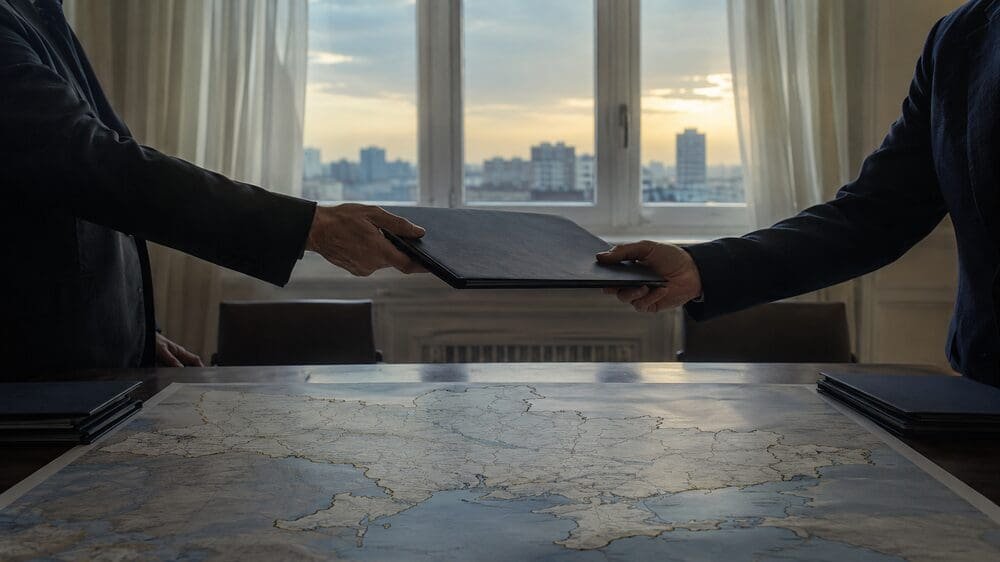
Ukrainian President Volodymyr Zelenskyy recently presented a pragmatic yet ambitious vision to end the “hot stage” of the war. His proposed cease-fire plan entails NATO membership for the territories currently under Kyiv’s control, with the alliance’s invitation recognizing Ukraine’s 1991 borders. Zelenskyy underscored the need to uphold both the legal and moral claims to every inch of Ukrainian territory, including Crimea, as Ukraine’s constitution prohibits ceding land without the approval of its citizens.
Dismissing such a proposal as unrealistic is simple, but the alternative would leave the world far less safe. Russia chose this war — not Ukraine, not the free world. And we’ve seen what happens when Moscow’s aggression goes unchecked. The horrors of Russian occupation are undeniable. If a cease-fire is to come, it must not consign those currently under Russian control to be forgotten or abandoned.
Russia must be defeated — not just for Ukraine’s survival, but to dismantle its imperial ambitions permanently. Zelenskyy’s plan reinforces a crucial lesson we should have already learned: the duty of the free world isn’t just to stop the bloodshed but to secure a just and lasting peace. Anything less risks opening the door to an even greater war down the line.


Leave a Reply