


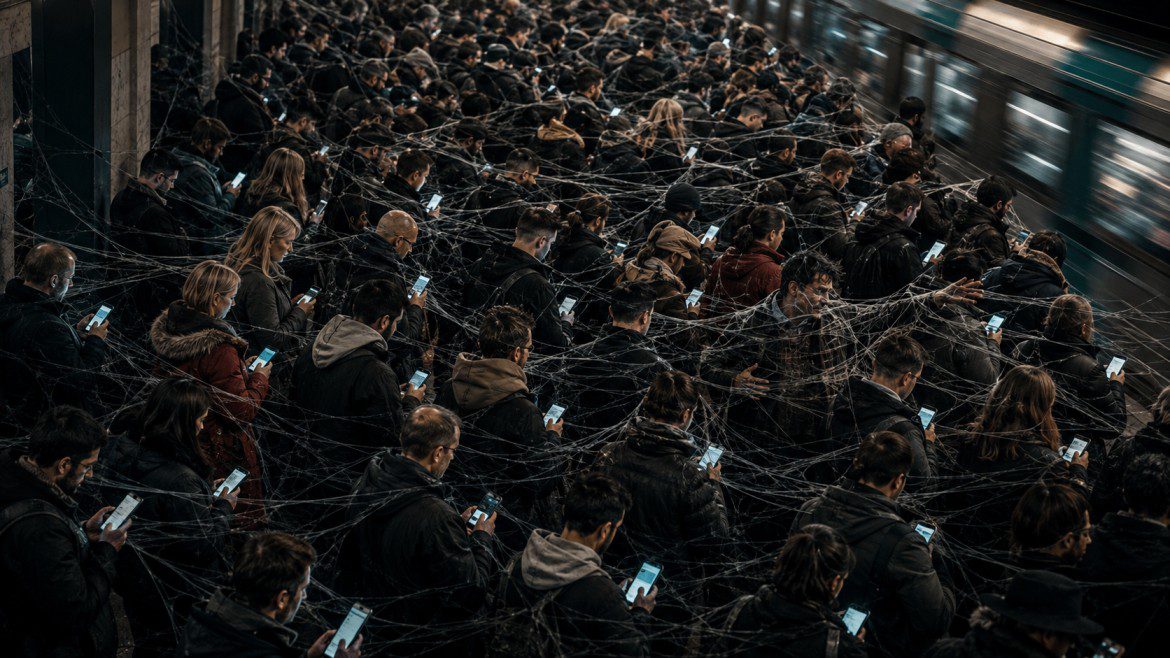
Scientific findings suggest that behaviors like obesity, suicide, violence, self-harm, and collective actions can be influenced by those around us. However, “social contagion” doesn’t imply a simple transmission from one person to another. Behaviors may spread like diseases, where one individual starts and others follow. This can occur in various settings, amplified by social media, making it difficult to understand widespread adherence to radical ideologies affecting human rights, especially in certain political regimes.
“Social contagion” describes how ideas, emotions, and behaviors spread through social ties. The internet, with its rapid evolution, becomes a tool for those in power to manipulate public opinion, alter voting behaviors, and create consumer trends. Yet, the term “contagion” might be misleading; behaviors don’t transfer like a virus. Instead, they’re shaped by imitation, learning, peer pressure, societal norms, and continuous exposure, all fostering a powerful influence that’s hard to resist.
Nicholas Christakis and James Fowler, prominent researchers, have explored how social networks influence behaviors like obesity and smoking. Their studies show phenomena spreading across interconnected networks. They propose a “three-degrees” influence, where behaviors link to people several steps apart within a network, though correlation doesn’t prove causation. Extensive media and social media penetration blur the lines of manipulation and personal freedom.
When discussing social contagion, it’s crucial to note that individuals don’t lose decision-making power just because they witness certain behaviors. A complex process unfolds where people reinterpret actions as acceptable or desirable, affecting personal behaviors. Media control and societal normalization can mask negative influences, leading to deceptive outcomes. An example of societal influence and bias was seen in a Spanish talk show incident where a journalist made disparaging remarks, illustrating classism and sexism.
Adolescents are particularly vulnerable to peer pressure, driven by a need to fit in. Social media exacerbates this, extending influence far beyond physical proximity. This exposure can lead to screen addiction, seen by some as a profit-driven diagnosis by the medical establishment. Social media influences can be both alienating and oppressive.
The concept of “social contagion” is particularly relevant in discussions about suicidal behavior, examined through the “Werther effect,” where exposure to suicide in media can lead to imitative behaviors. Proper coverage and communication are vital in combating this effect, promoting understanding and prevention instead of perpetuating stigma.
Other behaviors, such as non-suicidal self-injury, are influenced similarly. Research reveals exposure as a factor but not causative. Personal relationships, especially those with close ties, affect this influence significantly. However, much research remains observational, needing caution in attributing causation.
Journalists and media hold responsibility in reporting such issues. Appropriate handling of topics like suicide can prevent negative contagion, contributing positively instead. Social media, while propagating behaviors quickly, also offers channels for spreading prevention messages and building supportive communities.
The term “social contagion” involves different mechanisms like transmission, imitation, and contextual influence. Determining whether behaviors are contagious involves questioning shared factors and media influence. The understanding of social contagion highlights the environment’s role in shaping decisions, emphasizing the complexity of individual autonomy within social contexts.
Research continues to explore the balance between influence and independence. We are autonomous but not isolated, making decisions within a web of influences from various groups and platforms. Emotions and behaviors circulate, with some becoming public health concerns. Scientists, educators, and journalists must discern influence from determinism, recognizing that social influence is more pervasive than often admitted. In the social media era, the question isn’t just who influences us but how many might do so simultaneously without our awareness.







Leave a Reply