



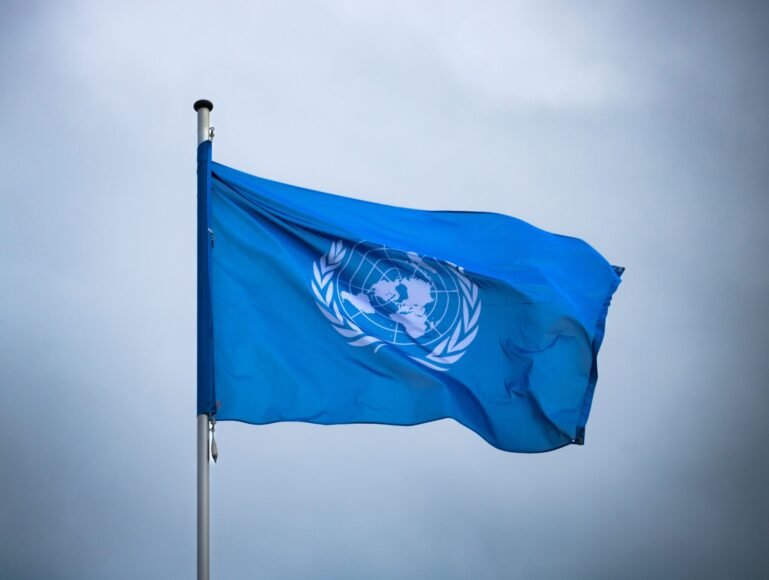
Four women and three men are vying to succeed Antonio Guterres as UN secretary-general, whose term ends on December 31, 2026, according to AFP. The new secretary-general will begin on January 1, 2027. Candidates include Michelle Bachelet (Chile), Maria Fernanda Espinosa (Ecuador), Rafael Grossi (Argentina), Rebecca Greenspan (Costa Rica), Olara Otunu (Uganda), Caroline Rodriguez-Birket (Guyana), and Macky Sall (Senegal). Grossi, head of the IAEA, is well-known but there is no clear frontrunner, and the selection process could take months.
Diplomats avoid predicting outcomes due to the influence of the UN Security Council’s five permanent members—USA, Russia, China, France, and Britain—who haven’t disclosed preferences. A candidate needs nine of 15 council votes and must avoid a veto from the five permanent members. If successful, their name is sent to the UN General Assembly for confirmation. On Thursday, the council held a private “preliminary vote” to gauge opinions, a method from the early 1980s to resolve veto deadlocks.
Members rate candidates anonymously as “I support”, “I oppose”, or “I have no opinion”, allowing weak candidates to withdraw without obligation. Initially, all ballots are the same color, but after several rounds, the permanent members’ votes are differentiated to identify potential vetoes, without revealing which country vetoed. Richard Gowan of the International Crisis Group suggests preliminary votes can help candidates exit gracefully if they lack support. The UN leadership traditionally rotates by region, suggesting a Latin American candidate may be favored this time.
Panama’s UN ambassador, Eloy Alfaro de Alba, emphasized the priority for a woman from Latin America. Many countries advocate for the first female UN leader. Before voting, six candidates participated in public and private hearings, except Olara Otunnu, who recently announced his candidacy.



Leave a Reply