



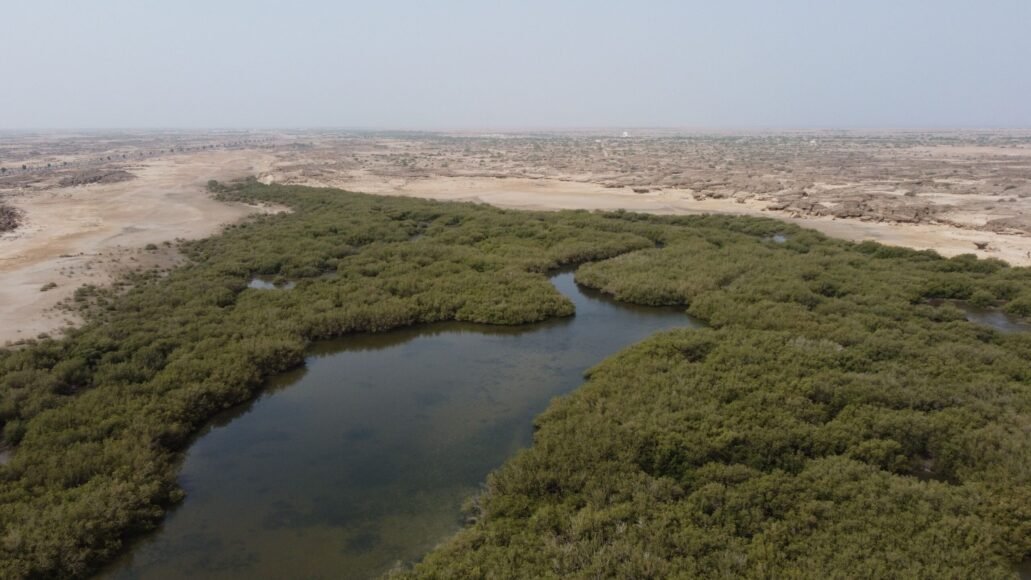
Saudi Arabia, largely a desert nation, has reported remarkable achievements from a vast environmental initiative. In under five years, over 1 million hectares of degraded land have been restored, and more than 159 million trees planted. Launched in 2021, by 2024, 250,000 hectares were restored, and this year, the figure surpassed 1 million hectares. The UN regards this as a leading example of ecosystem restoration in arid regions. Experts suggest Saudi Arabia’s efforts demonstrate that even water-scarce countries can address land degradation effectively. The nation aims to restore 2.5 million hectares by 2030, with a long-term goal of 40 million hectares and planting 10 billion trees. Advanced water-saving technologies are employed, including rainwater harvesting, dam construction, and using treated wastewater for irrigation. Tree planting also extends beyond deserts to highways, pastures, and urban areas like Riyadh. This environmental program is part of a larger strategy, intending to source 50% of electricity from renewables and expand protected natural areas by 2030.
In contrast, the Colombian city of Medellín exemplifies nature’s role in addressing heat and climate change. The Green Corridors initiative has added around 880,000 trees and over 2.5 million shrubs along roads, parks, rivers, and public spaces since 2016. Aimed at reducing the urban “heat island” effect, the project has lowered the city’s average temperature by about 2°C, with shaded areas experiencing up to a 5°C drop. These green spaces enhance air quality, reduce noise, create wildlife habitats, and improve conditions for walking and cycling. Medellín’s program is recognized globally for its urban climate adaptation benefits.
While Colombia and Saudi Arabia make strides in environmental efforts, Europe faces challenges from increased Saharan dust. Desert dust across Europe has risen by 10–25% recently, hitting the Canary Islands and southern Spain hardest. A study in Nature highlights a nearly 50% increase in related UK air pollution over the last decade, exacerbated by climate change.










Leave a Reply