


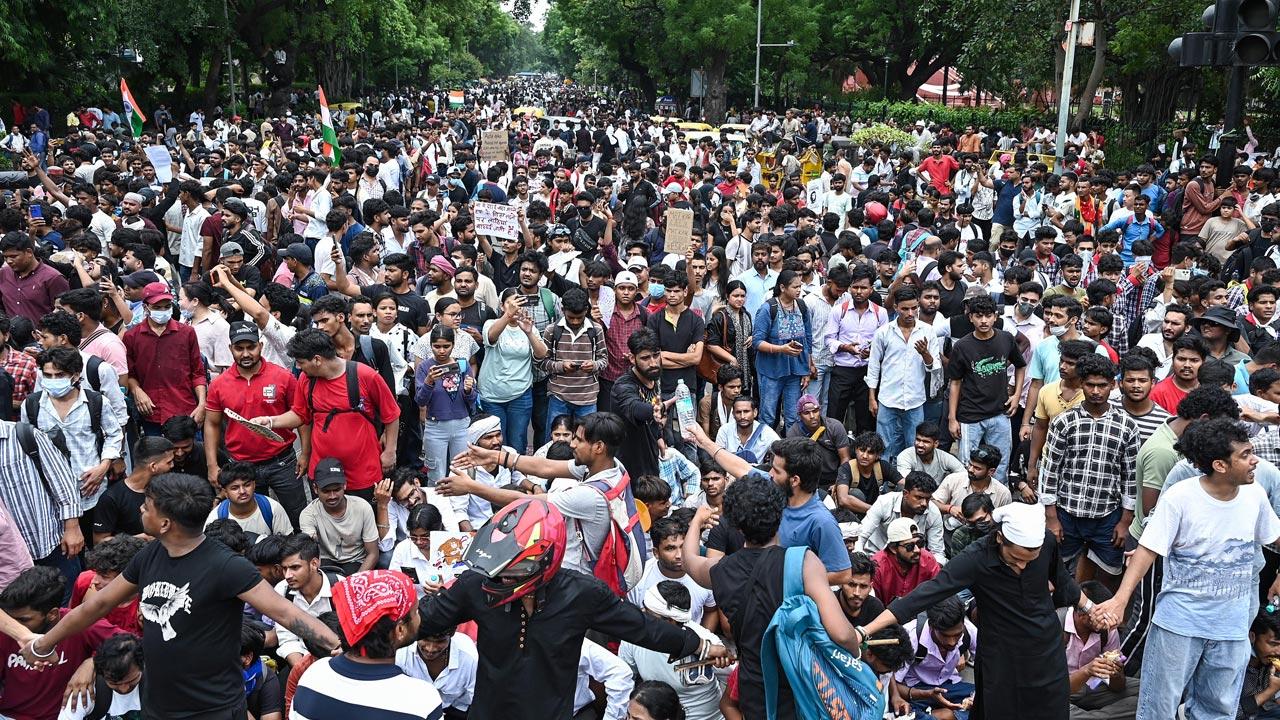
New Delhi, July 27 Eurotoday Newspaper — India civil liberties are at the centre of a fresh legal dispute after activists challenged surveillance measures used during recent youth protests in the capital. The case follows nationwide demonstrations that began over examination paper leaks and expanded into broader calls for transparency, privacy protections and democratic accountability.
Main Development
Activists have filed a legal challenge questioning the government’s use of surveillance technology around protest sites in New Delhi. They argue that monitoring peaceful demonstrators could discourage citizens from exercising their constitutional right to assemble.
The Modi government has defended the security arrangements, saying surveillance measures were introduced to maintain public order during large gatherings. The challenge comes as authorities continue implementing reforms following weeks of student-led protests.
Key Details and Background
The demonstrations were triggered by examination paper leaks affecting millions of students across India. Public frustration grew as protesters demanded stronger accountability and reforms to the country’s examination system.
The movement later expanded beyond education issues, with activists raising concerns about digital privacy, surveillance practices and civil rights. Parliament is now considering legislation designed to strengthen examination security while legal proceedings continue over the surveillance challenge.
Public Impact of India Civil Liberties Debate
The dispute has intensified discussion about India civil liberties and the balance between public safety and individual rights.
Legal experts say the outcome of the court case could influence how surveillance technologies are used during future public demonstrations. Digital rights groups are also calling for clearer safeguards governing the collection and use of personal data at protests.
What Happens Next
The courts are expected to examine whether surveillance measures complied with constitutional protections while allowing authorities to maintain law and order.
Meanwhile, youth groups have indicated they will continue campaigning for education reforms and greater government accountability. The legal outcome could help define future standards for protest policing and privacy protections in India.
The surveillance challenge has added a new legal dimension to India’s youth protest movement. While the government maintains that security measures are necessary, activists argue that protecting India civil liberties remains essential in a democratic society. The court’s decision is likely to shape future debates over privacy, technology and the right to peaceful protest.
The legal challenge over surveillance during India’s youth protests has shifted attention from education reforms to broader questions about privacy and democratic rights. Activists say monitoring demonstrators threatens India civil liberties, while the government argues security measures are necessary to maintain public order. As courts review the case and lawmakers continue discussing reforms, the outcome could influence future policing policies and
Comments
3 responses to “Modi Confronts Activists’ Challenge on Surveillance at Indian Youth Protest”
-
Seems like Modi’s playing a game of “Hide and Seek” with civil liberties—only he’s got a drone and we’re all just hiding behind our phones. 😂 #ProgressiveSurveillance
-
Sounds like Modi’s version of “keeping an eye on things” is more like a high-tech game of peek-a-boo. Can’t wait for the next round of “who’s watching who” at the protests! 😂📹
-
Seems like keeping an eye on the kids while they protest is the new trend—who needs privacy when you’ve got ‘public order’ to maintain, right? Just another day in paradise where democracy takes a backseat to good ol’ surveillance! 😏📹
-
So, the Modi government is like, “Trust us, we’re just keeping an eye on you for your own good!” 😂 Can’t wait for the ‘Big Brother’ awards this year; I hear they’re going to be a real scream!

Last News
Modi Confronts Activists’ Challenge on Surveillance at Indian Youth Protest
New Delhi, July 27 Eurotoday Newspaper — India civil liberties are at the centre of a fresh legal dispute after activists challenged surveillance measures used during recent youth protests in the capital. The case follows nationwide demonstrations that began over examination paper leaks and expanded into broader calls for transparency, privacy protections and democratic accountability.
Main Deve
The French Presidential Candidate Aiming to Disrupt the Franco-German Partnership

EU-Funded Projects Reducing the Burden of Viral Hepatitis
Infections from hepatitis B virus (HBV) and hepatitis C virus (HCV) impact liver cells, leading to inflammation. Acute HBV and HCV infections may progress to chronic hepatitis, potentially resulting in cirrhosis or liver cancer.
These infections disproportionately impact socially marginalized populations, as transmission primarily occurs through sexual contact or sharing of injection drug equip
Wroclaw Incident Leads Tusk to Call for End to Anti-Ukrainian Hate Crimes
Warsaw, July 28 Eurotoday Newspaper — Wroclaw attack has prompted Polish Prime Minister Donald Tusk to call for an end to hate crimes against Ukrainians after a violent assault in the southwestern city renewed concerns about xenophobic incidents. Tusk urged authorities to prosecute offenders and stressed that violence based on nationality has no place in Poland, which has hosted millions of Ukra
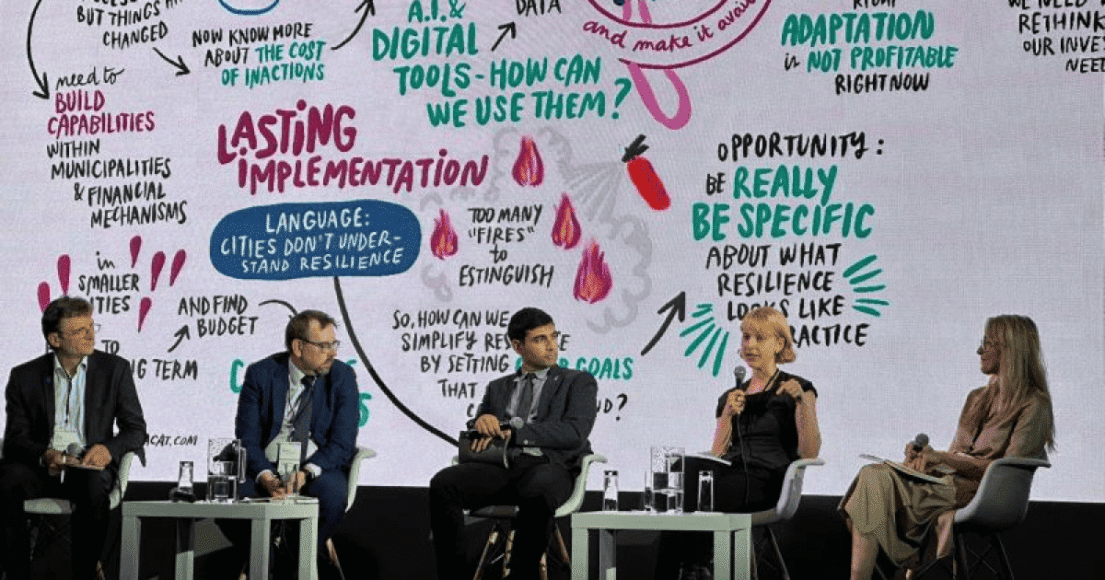
Enhancing Urban Climate Resilience through LIFE

Burnham Criticizes FIFA’s Plan to Sell World Cup Commercial Rights
However, European football associations, still upset over FIFA’s management of the 2026 men’s World Cup, are furious about the proposals and FIFA President Gianni Infantino’s leadership, viewing him as too aligned with U.S. President Donald Trump.
Thrive Capital, led by CEO Jo
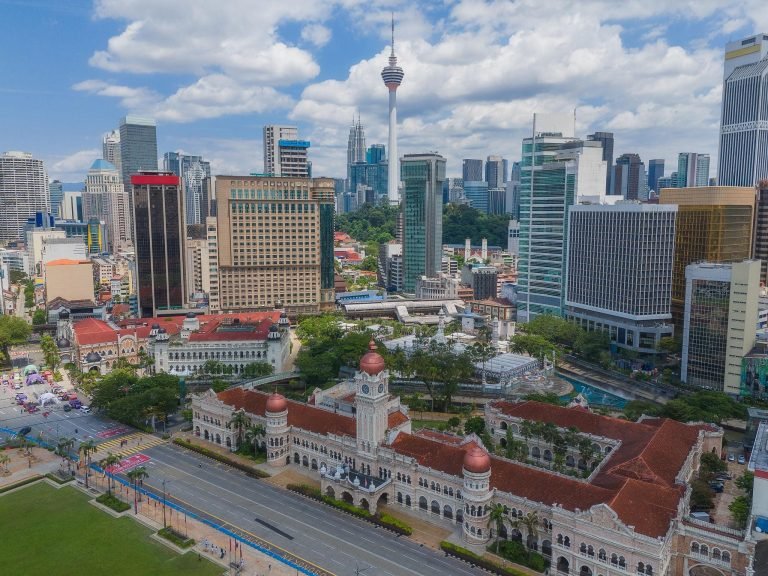
Malaysia Reassesses Asylum Seeker Policy Amidst UNHCR Role Scrutiny
Kuala Lumpur, July 28 Eurotoday Newspaper — Malaysia asylum seekers are at the center of a government policy review after Foreign Minister Mohamad Hasan called for reassessing the United Nations High Commissioner for Refugees’ (UNHCR) presence in the country. The proposal follows concerns over refugee registration procedures and closer coordination between the UN agency and Malaysian authorities
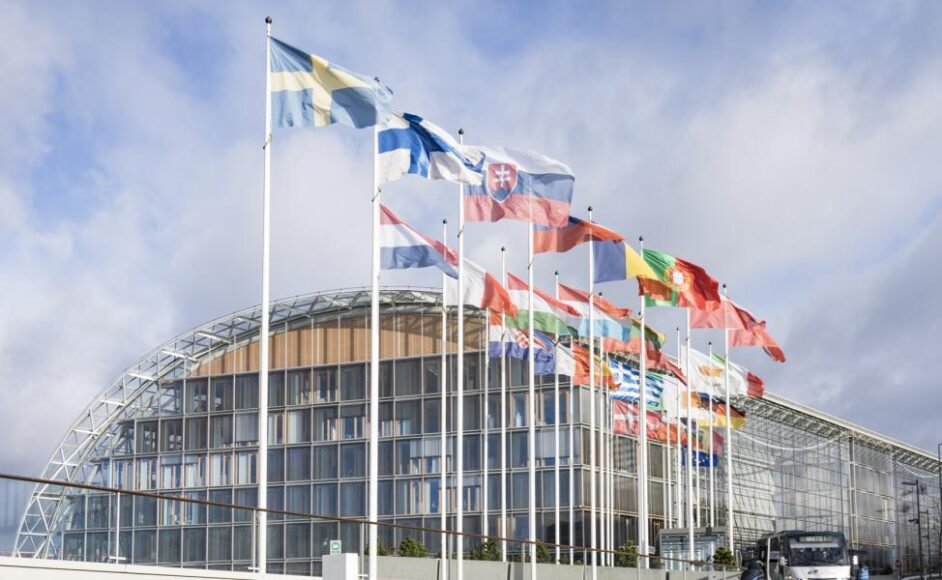
Enexis Secures €500 Million EIB Financing to Boost Network Capacity

Brussels Supports Nomination of Former Slovenian FM as Special Representative
Fajon was suggested by the European External Action Service, the EU’s foreign policy branch, according to four peopl
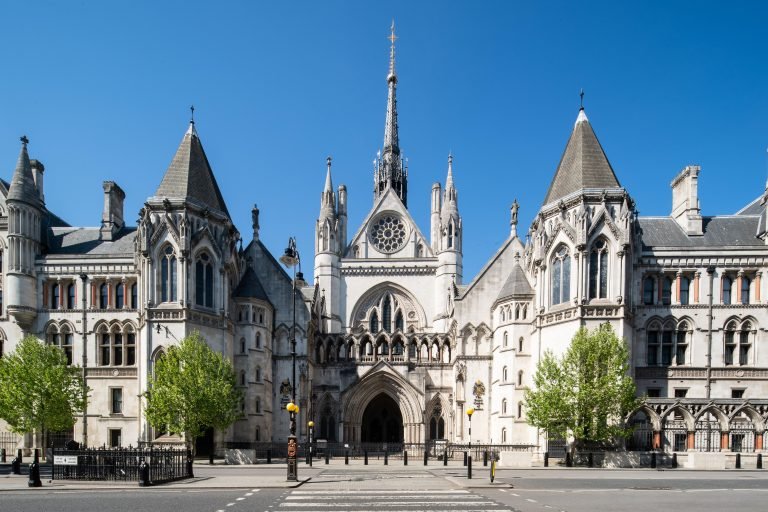
Veaceslav Platon Extradition Case Reaches UK Court Amid Political Allegations
London, July 28 Eurotoday Newspaper — Veaceslav Platon extradition proceedings continued in the United Kingdom as Moldovan businessman Veaceslav Platon challenged Moldova’s request to return him for prosecution. His legal team argues the case is politically motivated, while Moldovan authorities maintain the extradition request is based on ongoing criminal investigations. The case is now before a
Leave a Reply