



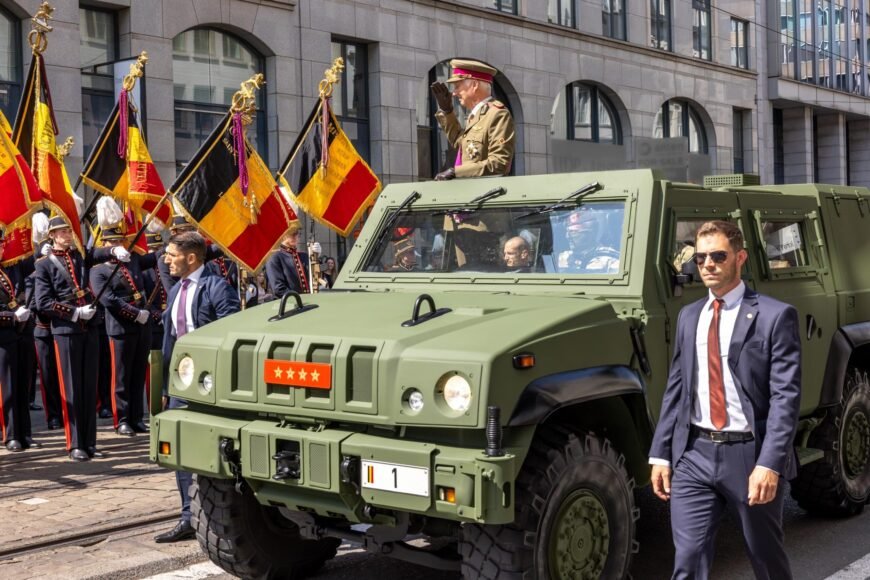
Ukrainian President Volodymyr Zelenskyy has declared that Mykhailo Drapatyi will become the new commander-in-chief of Ukraine’s Armed Forces, succeeding Oleksandr Syrskyi in a significant wartime leadership transition since Russia’s full-scale invasion. The decision, revealed late Tuesday, arrives as Ukraine grapples with maintaining military operations and addressing public concerns about the war’s direction. Zelenskyy stated the formal handover would occur on Wednesday and framed it as part of an effort to update command structures seamlessly during combat operations.
In an address by the Ukrainian presidency, Zelenskyy mentioned consulting senior commanders before choosing Drapatyi for the role. He expressed gratitude to Syrskyi for his contributions in defending Kyiv, the Kharkiv offensive, and operations in Kursk, while emphasizing Ukraine’s need for an updated defense strategy and a seamless institutional handover.
Drapatyi’s appointment puts him at the core of Ukraine’s upcoming military planning phase, including corps reform, drone supply, equipment delivery, and defense against Russian air strikes. Zelenskyy emphasized that the new leadership should craft defense strategy proposals, battlefield logistics, and mobilization while sustaining Ukraine’s pressure on Russia. The timing underscores the move’s political significance as Ukraine’s armed forces endure operational strain, and society demands military effectiveness and wartime accountability. Zelenskyy balanced these pressures by acknowledging Syrskyi’s service, ensuring operational continuity, and promising Ukraine’s eventual strength.
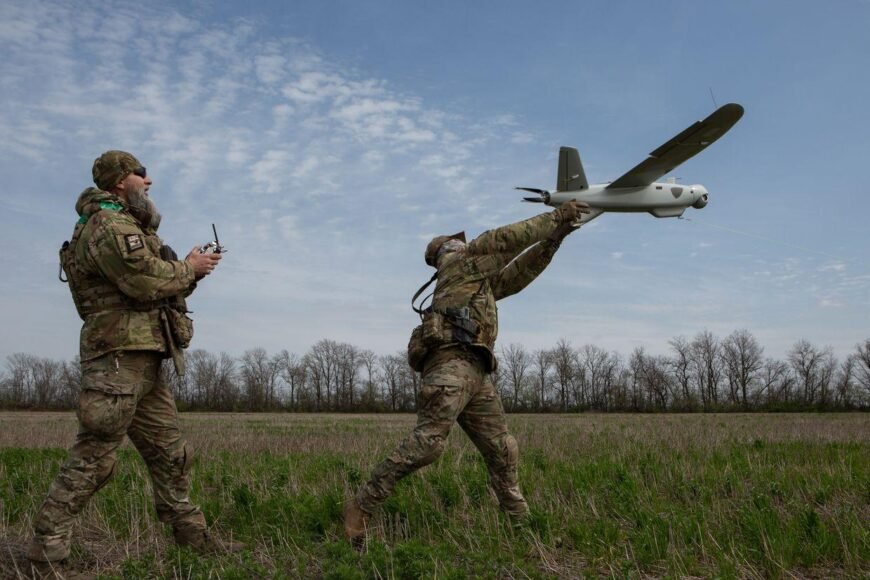
Drapatyi, associated with Ukraine’s post-2014 commanders, will manage a force shaped by attrition, technology changes, and increased reliance on unmanned systems. His initial challenge is likely to focus on converting reform rhetoric into swift, clear decisions for combat units.
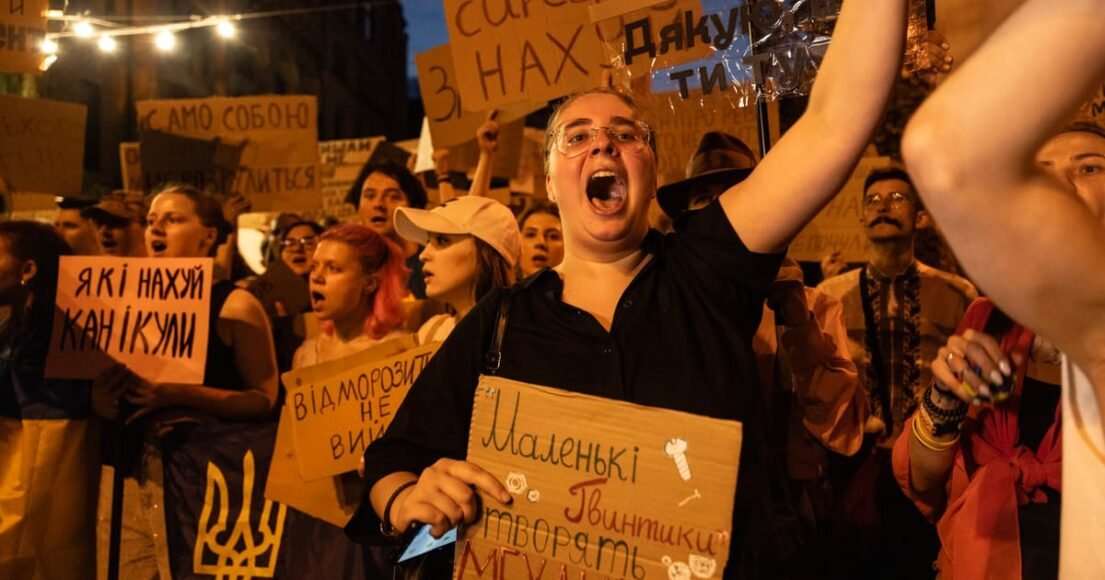
The command change occurs amid increasing civilian casualties. The UN Human Rights Monitoring Mission in Ukraine reported 1,396 civilian deaths and 7,978 injuries in the first half of 2026, a 37% rise from the same period in 2025. The June civilian protection update attributed long-range weapons and drones as leading causes of civilian harm, affecting cities far from the frontline.
This context holds significance for European governments supporting Kyiv. The issue extends beyond Ukraine’s territorial control, encompassing institutional integrity and public trust during a prolonged war. Military command, civilian protection, anti-corruption measures, and political legitimacy are intertwined. For Europe, the appointment underscores the necessity of sustained military and institutional support. Ukraine’s defense relies on weapons, air protection, and industrial aid, alongside a rule-of-law framework crucial for European integration. European efforts supporting justice for Ukraine, including the establishment of a special tribunal for aggression crimes, align with broader struggles over sovereignty and responsibility.
Zelenskyy indicated that formal decisions would be revealed on Wednesday. Meanwhile, the specifics of Syrskyi’s future role and Drapatyi’s command team remain closely observed. The immediate success measure will be stability: uninterrupted operations at the front, streamlined supply channels, and adequately addressing commanders’ requests. The long-term metric will be whether the new leadership can enhance Ukraine’s defense while maintaining public trust, a crucial asset since 2022. In wartime politics, personnel changes can signify either vulnerability or renewal, and Zelenskyy presents this change as renewal. Drapatyi’s task is to operationalize this vision before Russia exploits the uncertainty.




Leave a Reply