


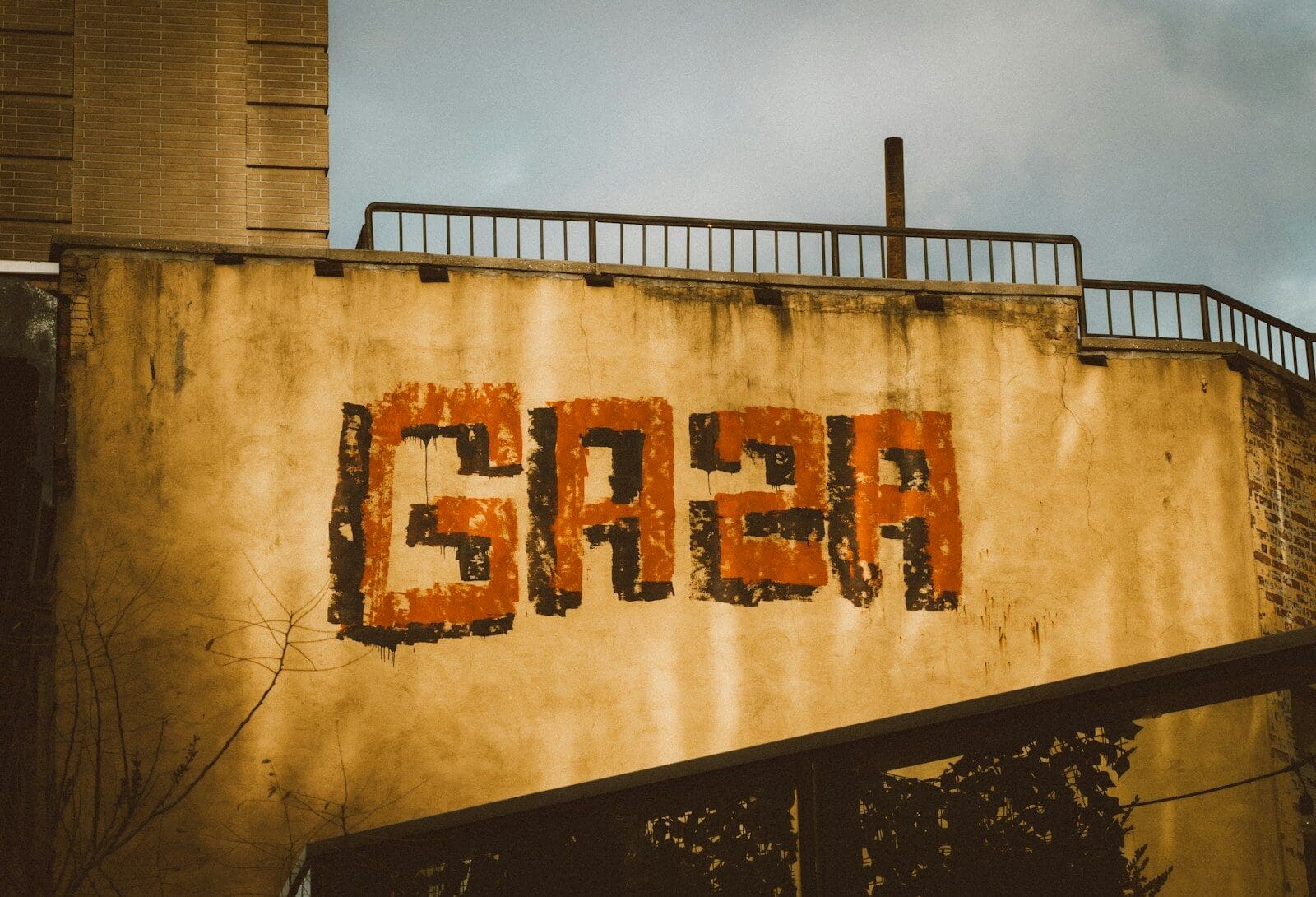
Foreign ministers will discuss Gaza, the West Bank and possible trade measures as pressure mounts on illegal settlements.
EU foreign ministers are set to meet in Brussels on Monday under growing pressure to decide if the bloc’s long-standing opposition to Israeli settlements should be accompanied by concrete trade actions. The debate, expected on July 13, highlights the humanitarian and legal challenges in Gaza and the West Bank, testing the EU’s credibility as a defender of rights-based foreign policy.
The Foreign Affairs Council agenda confirms that ministers will discuss the Middle East, including Gaza, the West Bank, and “options for further trade-related measures.” This cautious yet significant wording brings the settlement trade issue directly before EU capitals after months of disagreement on the bloc’s approach.
Moving from condemnation toward potential trade actions, the immediate question is whether the EU can progress beyond expressing concern. The European Council has repeatedly condemned settlement expansion and settler violence and acknowledged the International Court of Justice’s 2024 advisory opinion declaring Israel’s presence in the occupied Palestinian territory unlawful.
To date, EU practice has relied on differentiation: products from Israeli settlements are not meant to receive the same preferential treatment as Israeli goods under the EU-Israel Association Agreement. Critics argue this is insufficient, especially if labeling, customs checks, and rules of origin fail to prevent settlement-linked products from entering European markets as ordinary Israeli goods.
As reported by The European Times in June, this technical distinction has become a human rights issue. Campaigners argue that if European consumers and businesses cannot clearly identify settlement-linked goods, EU trade might inadvertently support an economy based on an unlawful occupation.
According to Euronews reporting on the Commission options paper, Brussels has proposed possible approaches such as a full or partial import ban on settlement-made products, stricter licensing, and prohibitive tariffs. The paper isn’t a legislative proposal yet, and no formal decision is anticipated immediately.
This distinction is important. Depending on its legal basis, a trade measure could be treated differently from a sanctions package, which usually requires unanimity among member states. Some governments see trade restrictions as a more practical approach, while others remain cautious about the legal, diplomatic, and commercial consequences of proceeding without broader consensus.
The timing also matters. The July 13 discussion is expected to be politically charged but may not lead to a conclusive outcome. If ministers cannot narrow their differences, the issue could drift toward later Council meetings, extending what rights organizations and several member states view as a delay amid worsening civilian harm.
For Palestinians in the occupied territory, this debate is not merely procedural. Settlement expansion impacts land, movement, livelihoods, access to services, and prospects for any negotiated two-state settlement. For the EU, the question is whether its legal stance can be translated into customs policy, business guidance, and market access.
The bloc is also attempting to maintain a fragile diplomatic balance. Ministers are set to discuss Gaza, Lebanon, Iran, and broader regional security at the same meeting. Thus, any settlement-trade move would be part of a strategic effort to prevent further escalation while upholding international humanitarian law and civilian protection.
Breaking consensus will be tough. However, this issue has transitioned from advocacy papers and parliamentary pressure to the Council’s official foreign policy calendar. This shift signifies that the EU is not merely questioning the legality of settlements but also whether continuing trade with them aligns with the bloc’s obligations.
Monday’s meeting might not resolve this question but will reflect how seriously Europe is considering it.








Leave a Reply