


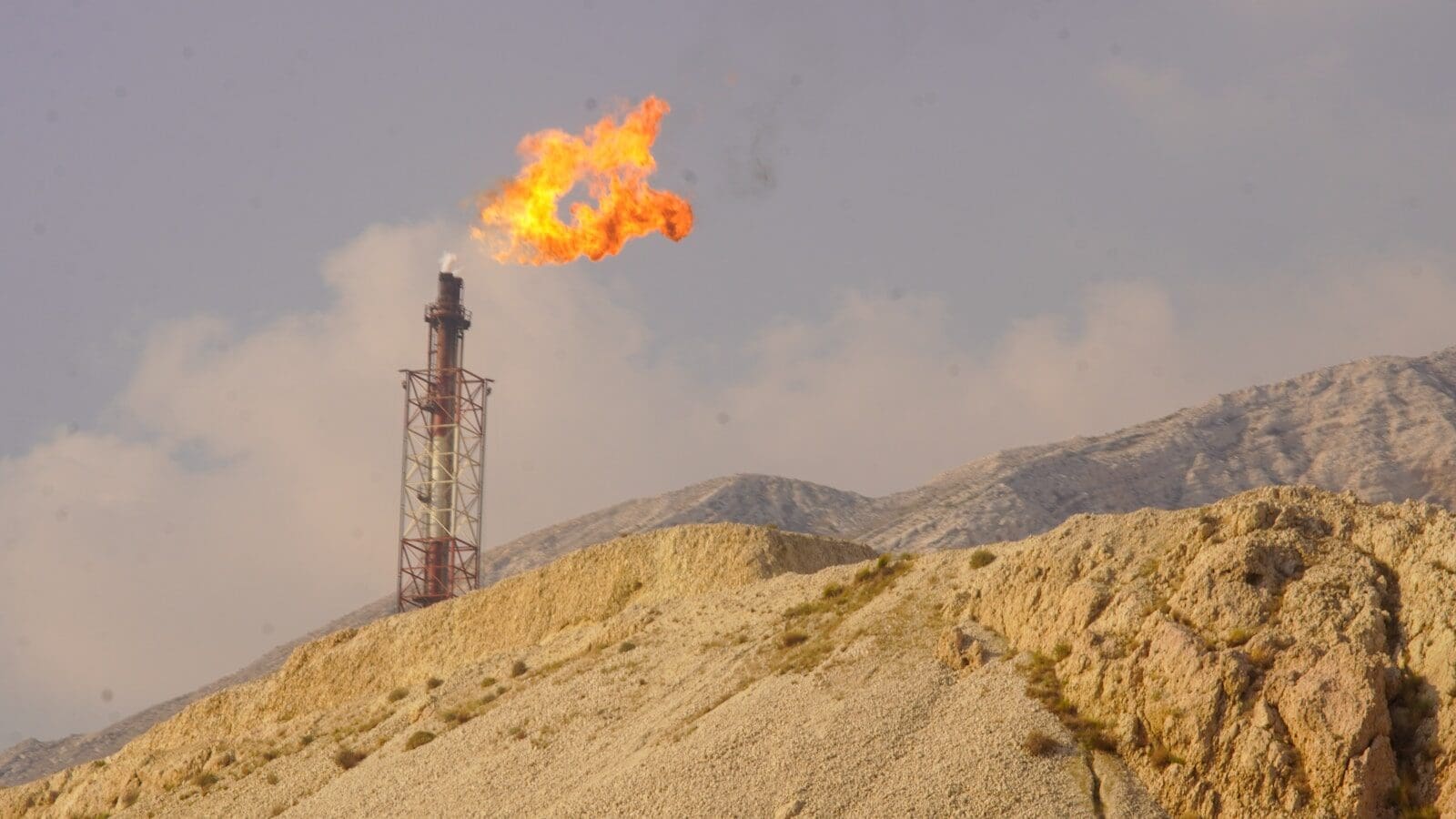
EU energy ministers gathered in Luxembourg on Friday to discuss methane regulations, which are becoming a politically sensitive issue concerning supply security, fossil fuel reliance, and Europe’s climate law integrity.
The agenda of the Transport, Telecommunications and Energy Council is extensive, including topics like electricity grids, post-2030 energy policy, and the effects of Middle East instability on European energy markets. However, a specific focus on how methane regulation impacts EU energy security is also present.
The debate centers on whether Europe can impose stricter methane standards on oil, gas, and coal imports without causing uncertainty for companies involved in supply contracts. Methane is a potent greenhouse gas, and the EU views its regulation as pivotal for climate action, though some governments and energy groups feel importer obligations are premature due to lack of necessary systems.
The EU’s methane regulation, effective from August 2024, aims to curtail emissions in the energy sector, including the global supply chains that serve Europe. Starting January 2027, importers must demonstrate imported fossil fuels meet EU-equivalent standards for monitoring, reporting, and verification, with further requirements in 2028 and 2030.
These timelines are crucial since, despite efforts to boost renewables and energy efficiency, Europe remains a significant fossil fuel importer. Since Russia’s invasion of Ukraine, the EU has aimed to replace Russian fuels while avoiding new long-term dependencies, placing methane rules at the center of this balancing act.
Industry groups have pushed for a revised implementation timeline, warning of penalties and legal uncertainty for importers without a clear compliance path. Meanwhile, climate campaigners argue against delays, seeing them as detrimental to immediate climate action and transparency in fossil fuel supply chains.
Europe’s energy anxieties, exacerbated by potential Middle Eastern disruptions like those around the Strait of Hormuz, add urgency to these discussions. Ministers are considering how security language might influence methane enforcement and whether crises should lead to relaxing rules intended to mitigate fossil fuel reliance.
Brussels has tied methane action to its broader climate diplomacy, advocating global emission cuts and a transition to renewables. This makes the Luxembourg talks critical; moving too fast could lead to uneven enforcement, while retreating might signal that market pressures can delay climate obligations.
The solution could be clearer implementing rules, consistent enforcement, and targeted compliance support, avoiding a broad regulatory pause. Europe’s energy security involves more than securing gas for winter; it’s about ensuring imported energy is cleaner, better measured, and aligns with shared climate commitments.
Friday’s meeting won’t resolve the entire issue, but it highlights the evolving European energy policy debate: not whether climate and security are priorities, but how closely they should be linked.






Leave a Reply