


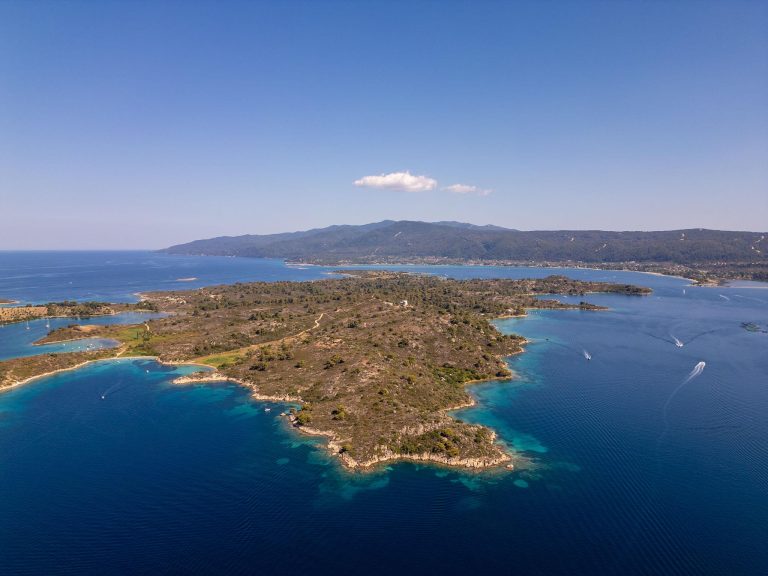
The first-ever EU Strategy for Islands has been greeted as an “important political milestone for Europe’s maritime territories.”
The initiatives, which also include an EU Strategy for Resilient, Prosperous and Liveable Coastal Communities, have been advocated by the Conference of Peripheral Maritime Regions, CPMR, and its Islands Commission.
They establish, for the first time, dedicated European frameworks recognising the specific challenges and opportunities faced by islands and coastal communities.
The CPMR say they also provide a stronger political narrative for territories that have long contributed to Europe’s economic competitiveness “while often facing structural disadvantages linked to geography and peripherality.”
The strategies were presented on Friday at a high-level conference “Strengthening Islands and Coastal Communities of the European Union”, organised in Pafos under the outgoing Cyprus Presidency of the EU.
CPMR President Filip Reinhag and Islands Commission President Marie-Antoinette Maupertuis participated alongside European leaders, ministers, senior policymakers and stakeholders to discuss the future development of Europe’s island and coastal territories.
Maupertuis said, “For many years, island regions have called for a dedicated European vision for islands.
“The publication of the first-ever EU Islands Strategy represents a significant step forward. But this is only the beginning: The challenge now is to ensure that recognition becomes action, through adequate funding, stronger governance arrangements and a central role for island authorities in implementation”.
The CPMR said it particularly welcomes the Commission’s recognition of the cost of insularity, a longstanding priority of island authorities across Europe. It also welcomes the focus on connectivity, energy resilience, climate adaptation and a place-based approach that recognises the diversity of Europe’s islands and coastal territories.
The strategies also reflect several priorities promoted by the CPMR, including support for sustainable blue economy sectors, fisheries and aquaculture, offshore renewable energy, community-led local development, and stronger territorial resilience in the face of climate change and demographic pressures.
A CPMR source said, “While the strategies provide a convincing diagnosis of many territorial challenges, their success will ultimately depend on their implementation, governance arrangements and financial backing.”
Reinhag said, “Resilience is not built during a crisis. It is built every day through investment, cooperation and good territorial governance.
“If we want the EU Strategies for Islands and Coastal Communities to succeed, regional authorities must be fully involved in turning its ambitions into reality, from day one”.









Leave a Reply