


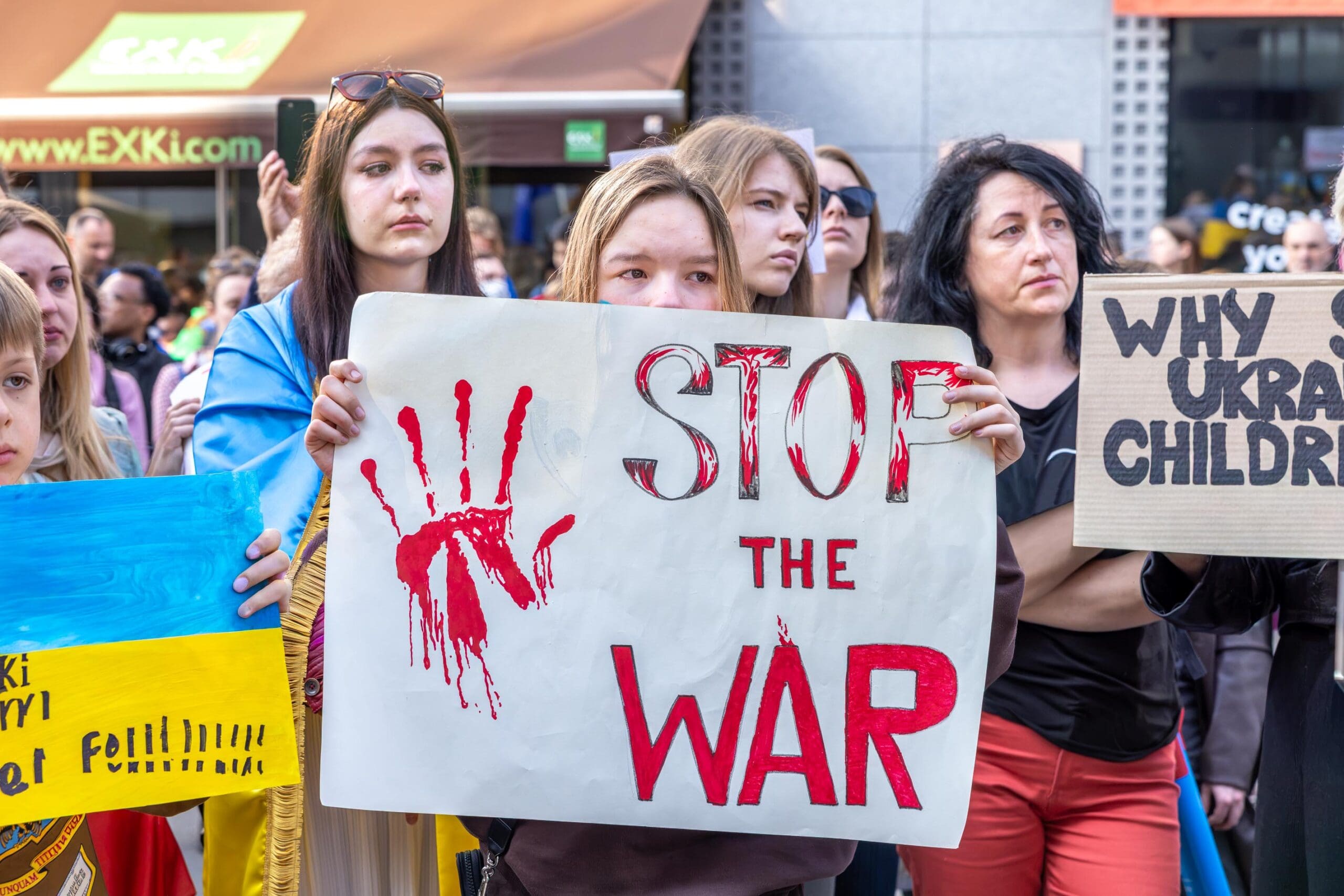
Gdansk, 26 June 2026 – Today, Michael O’Flaherty, the Council of Europe Commissioner for Human Rights, released Observations warning against prematurely ending protection and assistance for Ukrainians displaced across Europe by Russia’s ongoing war.
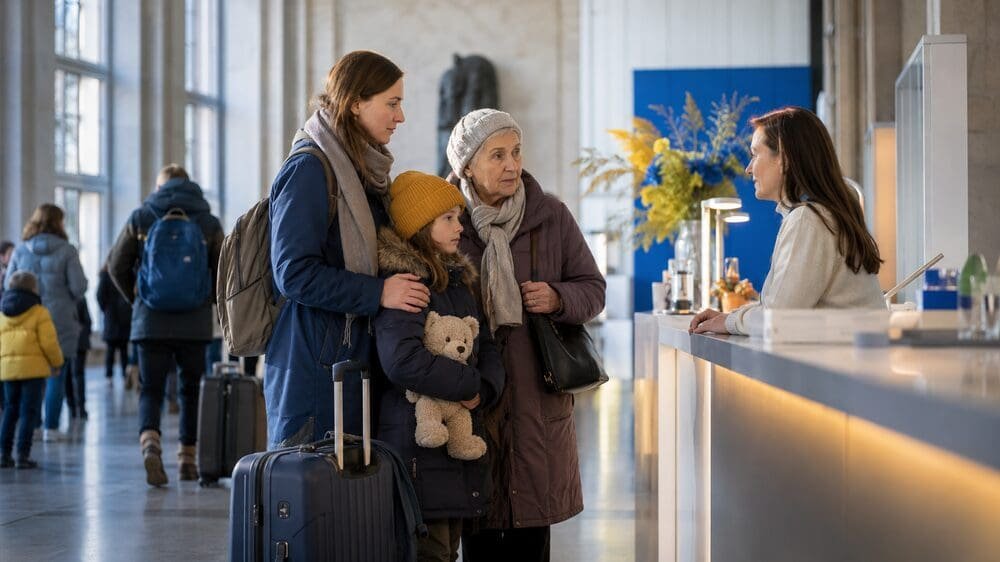
These Observations build on the Commissioner’s earlier statement and highlight the diminishing support for displaced Ukrainians. This includes potential phasing out of the EU’s temporary protection arrangements and rollbacks by individual member states. As of March 2026, over 4.3 million people displaced from Ukraine were under temporary protection in the EU, with many more in non-EU Council of Europe member states.
“To prevent a protection gap for displaced Ukrainians, Europe’s response must be renewed with more solidarity, not less,” said Commissioner O’Flaherty.
The Commissioner is concerned about the pressure to end temporary protection arrangements and restrict access for groups like men of conscription age. Other concerning trends include reductions in social support, premature return policies, and rising anti-Ukrainian sentiment.
“The realities in Ukraine do not allow for a safe and dignified return. Ending protection without a robust safety net risks legal limbo, poverty, and unsafe returns,” O’Flaherty added.
Blanket restrictions on protection for specific people raise human rights concerns. The Commissioner stated that no part of Ukraine is currently safe; civilian casualties in 2025 and recent months are at their highest since 2022. Attacks on civilian targets continue, even in regions far from the front line. Military service issues may also trigger protection claims, requiring individual assessments.
The Commissioner’s Observations offer guidance for Europe’s response to Ukrainian displacement, urging action based on human rights obligations.
Recommendations for Council of Europe member states include:
- Ensure continuity of protection through extended temporary protection or legal statuses until Ukraine conditions permit safe return, following international law.
- Avoid unsafe or premature returns by maintaining social support and removing barriers that force displaced persons to leave or live in limbo.
- Guarantee non-discriminatory protection regardless of employment, stay duration, or other factors, addressing the needs of vulnerable groups.
- Maintain access to national asylum systems if collective protection schemes are restricted, ensuring full access to individualised asylum procedures.
- Plan for future voluntary, safe, dignified, and informed returns, cooperating on long-term reconstruction and property compensation.
The Commissioner draws on his 2025 memorandum on human rights elements for peace in Ukraine and consultations with various stakeholders, including testimony from displaced Ukrainians in Germany, Moldova, and France.






Leave a Reply