


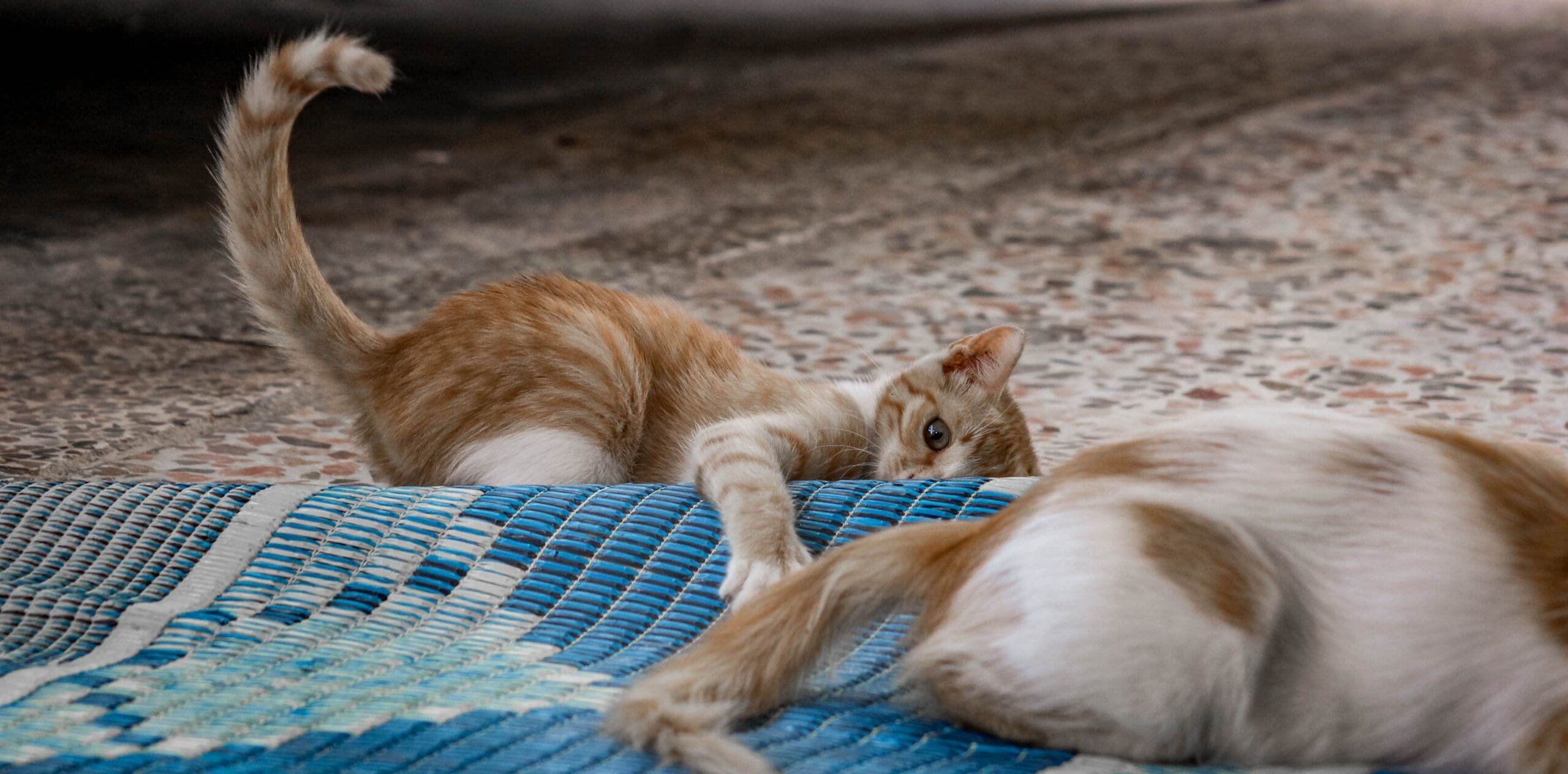
If you have a cat, you’ve likely seen her rubbing her face against corners, furniture, or even you. This often occurs when you arrive home or at random times. Although it seems odd, this behavior has a logical explanation. Cats use such gestures to communicate, express emotions, and interact with their surroundings. These actions leave signals that cats and even humans can understand if they know how to interpret them. This simple habit reveals a lot about cats’ instincts and behaviors.
Corners are favorite rubbing spots for cats due to their shape, which allows more pressure to release pheromones effectively. Located in strategic home areas, corners serve as guides and safety signals. By rubbing in these zones, cats mark their territory, creating a network of familiar scents that help them feel more confident and relaxed.
Five reasons cats rub their faces in corners:
-
Marking Territory: A well-accepted theory is that cats use scents to mark objects through glands around their cheeks, making corners ideal for traction and marking.
-
Greeting: Cats often greet others by exchanging scents. If your cat rubs against you upon your arrival, it’s a welcoming gesture.
-
Attention Seeking: Cats know which actions capture your attention. If rubbing elicits a reaction from you, they’ll continue the behavior, especially when seeking attention.
-
A Display of Affection: Rubbing can express love, as cats incorporate you into their territory, showing trust and safety.
-
Stress Relief: The act of rubbing has a calming effect on cats, helping them cope with stress.
If your cat rubs excessively, it might indicate a compulsive behavior linked to health issues. Accompanying symptoms may include disorientation or coordination problems, necessitating a vet consultation.
New objects in the home often intrigue cats, leading them to rub and claim the items within their territory. This mixing of new scents with their pheromones offers control and security, easing the acceptance of changes.
Cats possess pheromone glands on their cheeks, chin, lips, above the eyes, and tail base. These glands secrete chemical signals for communication. Rubbing leaves an “aromatic signature,” marking spaces as familiar and safe. This behavior, though odd at times, shows how cats perceive their world, helping owners bond with them. Usually, there’s no cause for concern unless behavior changes suddenly.











Leave a Reply