


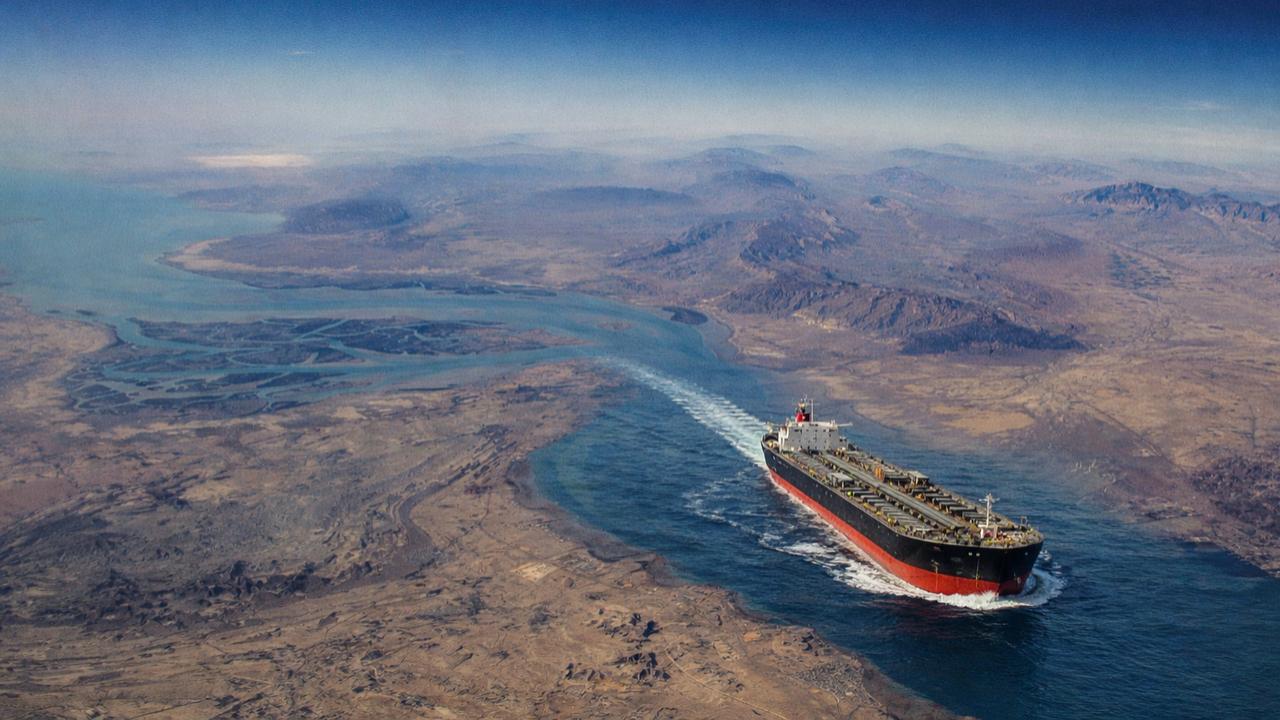
G7 leaders last week endorsed the US-Iran memorandum of understanding, praising the framework for reopening the Strait of Hormuz and easing energy market volatility. Crude futures have eased as initial tanker movements resume. Yet this surface calm masks a deeper structural shift: the agreement formalizes a two-tier maritime system where state-aligned energy flows receive preferential risk treatment while neutral commercial shipping absorbs persistent grey-zone exposure. The dominant narrative celebrates the MOU as a diplomatic breakthrough that restores normalcy within the 60-day window. Policymakers and markets price in reduced volatility. This view misses how the framework’s limited proxy accountability mechanisms redistribute rather than resolve maritime risk. For global supply chains and insurers, the real test is underway now.
The MOU prioritizes Hormuz access, which carries roughly one-fifth of global seaborne oil. US officials stress toll-free transit and phased sanctions relief linked to compliance. G7 participants, including those at the Evian summit, offered collective backing.
This structure creates priority conditions for major energy shipments tied to the core parties. Coordinated naval deconfliction and clearer channels reduce perceived threats in the initial phase. War-risk premiums in the Persian Gulf have eased from peaks near 2.5 percent toward 1 percent in recent weeks, though they remain elevated compared to pre-crisis levels.
State-to-state energy security thus gains a temporary buffer. Large producers and importers benefit. Broader commercial traffic, however, faces lingering hurdles from mines, crew caution, and operational backlogs. The agreement provides limited tools for attributing proxy actions, such as those by the Houthis in adjacent waters. Recent statements from Houthi-affiliated sources indicate continued targeting of vessels linked to adversaries despite the Hormuz focus.
This gap produces uneven resilience. Neutral-flag carriers, European-owned containers, and Latin American bulk vessels encounter higher baseline vulnerability to calibrated disruptions. Maritime incident patterns and insurance data show how grey-zone tactics sustain pressure without crossing into full interstate retaliation. Premiums on non-energy routes stay sensitive to isolated events, driving rerouting that adds distance and expense.
Corporate risk models must now incorporate this asymmetry as a durable feature. Rerouting via the Cape of Good Hope or absorbing elevated add-ons shifts from temporary disruption to structural adjustment, especially for just-in-time inventories and consumer goods.
Insurers and shipowners are already demonstrating selective caution that reinforces the tiers. While some Iranian vessels have begun transiting Hormuz, major commercial operators and underwriters await clearer proof of sustained safety before committing broadly. War-risk coverage for neutral shipping remains patchy and expensive, creating a practical barrier that state-linked energy flows largely bypass through diplomatic assurances and potential naval escorts.
This dynamic accelerates a shift in global maritime governance. Private sector actors increasingly determine effective access where state-level guarantees prove incomplete. Comparative lessons from prior chokepoint crises, including Red Sea disruptions, show commercial fleets bearing disproportionate costs when protections favor certain categories of traffic over others.
This division highlights an evolution in maritime order: private insurers and shipowners increasingly shape effective access where traditional state guarantees fall short. The MOU’s 60-day negotiations on nuclear issues and sanctions do not close proxy or attribution gaps. Markets adapt faster than diplomacy. Comparative experience from Red Sea disruptions demonstrates how prolonged uncertainty raises baseline costs even absent frequent attacks. Commercial fleets historically shoulder disproportionate burdens when protections remain incomplete.
For US interests, implications reach beyond oil prices. American exposure includes imports, agricultural exports, and alliance logistics dependent on open lanes. A framework that secures Gulf energy but tolerates peripheral volatility transfers adjustment costs to private actors and secondary routes. This could hasten nearshoring, alternative corridors, or diversified sourcing with lasting effects on trade efficiency.
Comments
3 responses to “The Iran Deal Masks the Imminent Challenge for Global Shipping’s Dual-Level Resilience”
-
Looks like we’ve turned the Strait of Hormuz into a VIP lounge for state-sponsored oil flows while the rest of us are left waiting outside in the rain—classic diplomacy, isn’t it? 🍷🚢
-
Oh, brilliant! Nothing like a fancy deal that treats neutral commercial shipping like the unwanted guest at a wedding, while the state-aligned energy flows get the VIP treatment. 🥳 Can’t wait to see how that “two-tier maritime system” plays out—should be a real laugh! 😂
-
So, we’ve got a fancy handshake that’s supposed to keep the oil flowing while the rest of us dodgy merchants are left playing a game of maritime hopscotch. Who knew navigating global shipping would turn into a high-stakes game of “you scratch my back, I’ll ignore your sinking ship”? 😂
-
Oh brilliant, a two-tier maritime system! Just what we needed, more ways to keep the little guy on his toes while the big boys enjoy their exclusive express lane through Hormuz. 😏🚢

Last News
Brexit Has Impacted Britain, Making the UK More European Than Ever Before
10 years ago Nigel Farage was in political heaven. Since entering the European Parliament in 1999 at the head of a small anti-European Party he had only one demand. That Britain organise a referendum on leaving the European Union. It was held on 23 June 2016.
His wish was granted by the coalition government headed by the Conservative Prime Minister, David Cameron and his deputy the Europhile lea

EU Strengthens Child Abuse Legislation
Provisional deal targets AI-generated abuse material, sextortion and delayed access to justice for survivors
The European Union has provisionally agreed to enhance criminal law against child sexual abuse and exploitation, addressing new digital threats and extending the timeframe for survivors to seek justice. This agreement, pending approval from the European Parliament and the Council, is a ke

Andy Burnham Appoints Former Blair Minister James Purnell as Chief of Staff
In 2013, he became the BBC’s director of strategy, later joining the lobbying firm Flint Global as chief executive in 2024. His financial interests in Flint may require assessment under conf
The Iran Deal Masks the Imminent Challenge for Global Shipping’s Dual-Level Resilience
G7 leaders last week endorsed the US-Iran memorandum of understanding, praising the framework for reopening the Strait of Hormuz and easing energy market volatility. Crude futures have eased as initial tanker movements resume. Yet this surface calm masks a deeper structural shift: the agreement formalizes a two-tier maritime system where state-aligned energy flows receive preferential risk treat

Norway Advances to the Knockouts
Haaland’s brace propels Norway back into World Cup prominence
Norway advances to the World Cup round of 32 with a 3-2 victory over Senegal, marking a significant achievement beyond Erling Haaland’s scoring prowess. Absent from tournament knockouts since 1998, Monday’s win in New Jersey was a breakthrough, highlighting the expanded World Cup’s potential for lesser-known nations.
By Daniel Mercer,
Hungary Halts EU Membership Efforts for Ukraine and Moldova
The Hungarian Permanent Representation in Brussels did not respond to a request for comme

The Bürgenstock Moment and What Pakistan Must Do With It
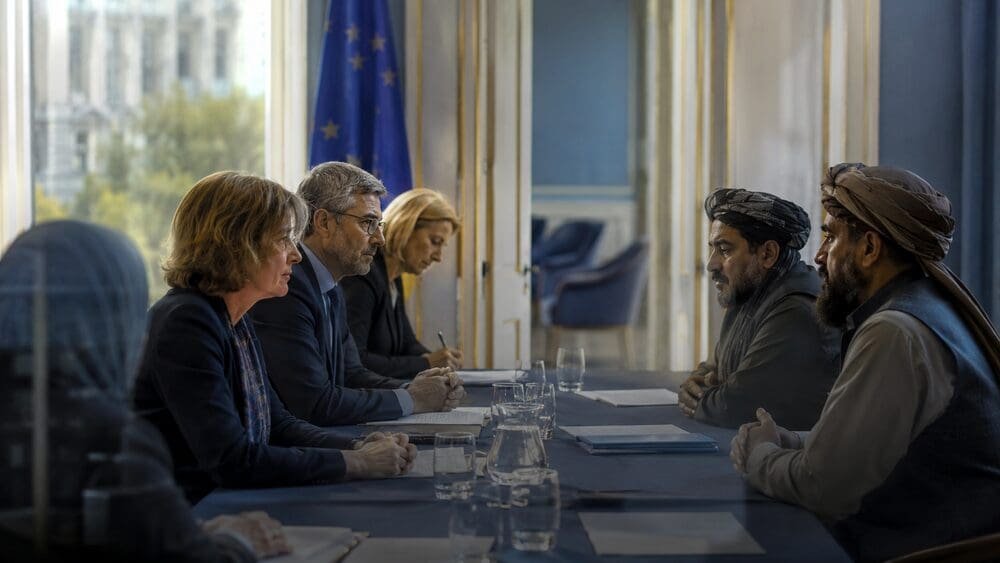
Taliban Negotiations Criticized Over EU Return Policy
The European Union is facing backlash over a meeting in Brussels with Taliban representatives to discuss migration returns, which critics say may weaken Europe’s stance on non-recognition, women’s rights, and protection from for
Zelenskyy to Miss Ukraine Recovery Conference Amid Poland Dispute
“I am leading Ukraine’s delegation and our overall work at the Ukraine Recovery Conference 2026 in Gdańsk,” Svyrydenko po

Enhancing Online Reputation Management with Digital PR for Improved Google Rankings in the UK
London, June 23 – Eurotoday Newspaper — Online reputation management has become an increasingly important part of Digital PR strategies as UK businesses compete for stronger visibility in Google Search and greater customer trust. Industry experts say companies that invest in high-quality media coverage, authoritative backlinks, and expert-led content are more likely to strengthen their online pr
Leave a Reply