



There is increasing pressure on Europe to designate a special envoy for peace talks between Russia and Ukraine. Both Moscow and Kyiv have indicated a willingness for such mediation, amidst Trump’s team’s focus on the U.S.-Israeli conflict with Iran.
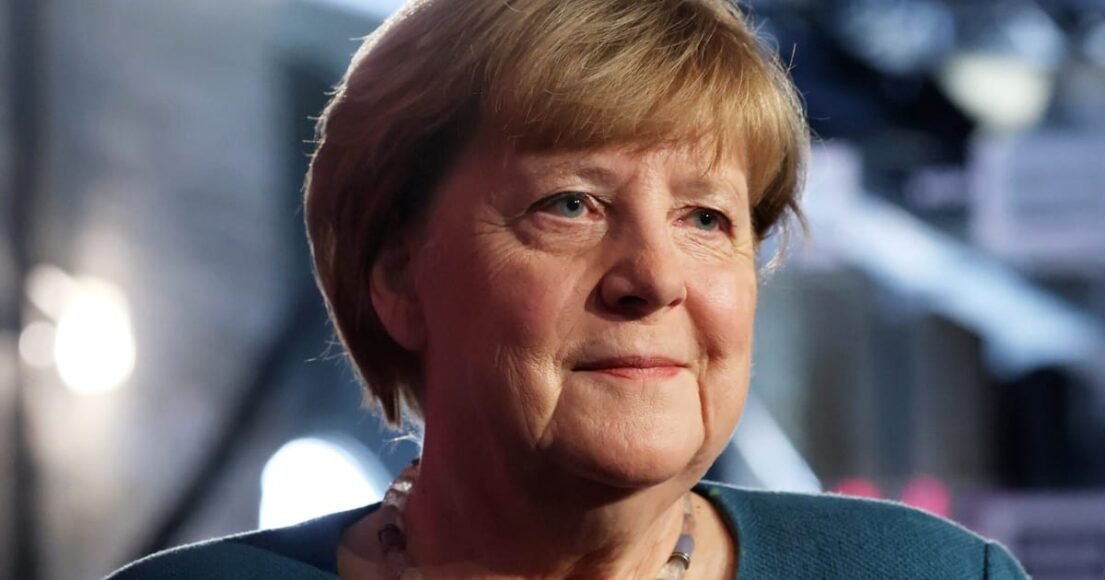
Merkel, Germany’s chancellor from 2005 to 2021, mentioned her proposal for a diplomatic framework between the EU and Russia at her last European Council meeting in October 2021, ending her tenure shortly before Russia’s full-scale war began. However, it didn’t materialize due to differing views within the bloc on dealing with Moscow.
“You have to keep working on it until you reach a common position,” Merkel noted regarding bloc disagreements. “Diplomacy has always been the other side of the coin, also during the Cold War.”
Merkel’s legacy has faced scrutiny, especially regarding Germany’s reliance on Russian gas during her leadership. Criticism has increased since Russia’s full-scale attack on Ukraine began four years ago.
Her negotiation experience with Russian President Vladimir Putin and Ukrainian President Volodymyr Zelenskyy has led to Merkel being considered as a potential EU peace envoy to resolve the conflict.
Merkel, however, stated her office hadn’t received an official request. She emphasized that only those in power make credible negotiators, sharing her experiences with Putin after Crimea’s annexation in 2014.
“We were only able to hold those [negotiations] with President Putin because we had political power, because we were heads of government,” Merkel said. “You need that power. And I, personally, would never have thought of asking a mediator to go to Minsk for me and talk to Putin … You have to take that into your own hands.”
The Minsk agreements, negotiated by Merkel and her French counterpart in 2014 and 2015 to stop fighting in eastern Ukraine, failed to bring a lasting ceasefire. Violations persisted for years until Russia’s total war began in 2022.


Leave a Reply