


The government must find nearly £2 billion weekly to fill the gap between its spending and tax revenue. Global investors, who hold about one-third of UK government debt, aren’t obliged to continue lending.
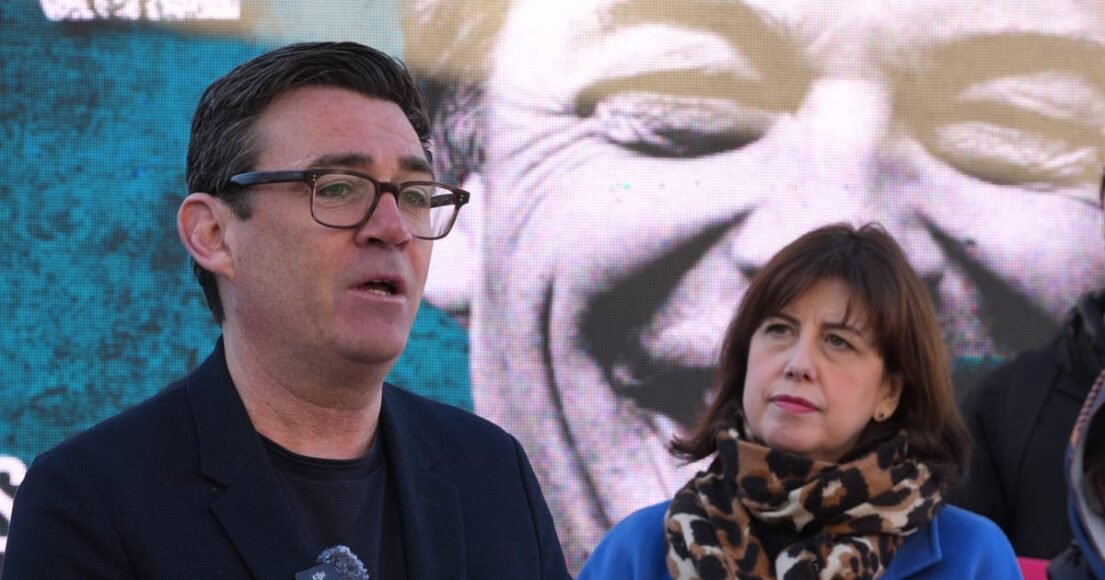
Even Burnham’s reversal poses challenges, according to Fathom Consulting managing director Erik Britton.
“The UK depends on bond markets because it has borrowed from them,” Britton commented on LinkedIn. “Asserting that we should not be ‘in hock’ is akin to suggesting an intention to default. That’s not wise for a potential PM.”
Investors seem concerned about the recurring UK political tendency to react hastily and simply to complex economic issues like aging populations, inequality, geopolitical fragmentation, and environmental degradation.
Bill Papadakis, Lombard Odier’s chief investment officer, wrote that any new prime minister will face the same constraints as the current government. He noted that Starmer’s government has managed to narrow the budget and current account deficits, arguing a significant fiscal shift is neither imminent nor probable.
Ostwald believes markets may overreact to the current turmoil, citing data showing a 0.6 percent economic growth in the first quarter—the fastest among G7 economies. Even if this inflated the economy’s true strength, he noted, “there is more resilience in the economy than media narratives suggest.”
However, both agreed that the best outcome still means months of stagnation until the leadership is resolved at Labour’s annual conference in September, impacting the pound, gilts, and the FTSE, vulnerable to party conflict and external trade and military conflicts.








Leave a Reply