


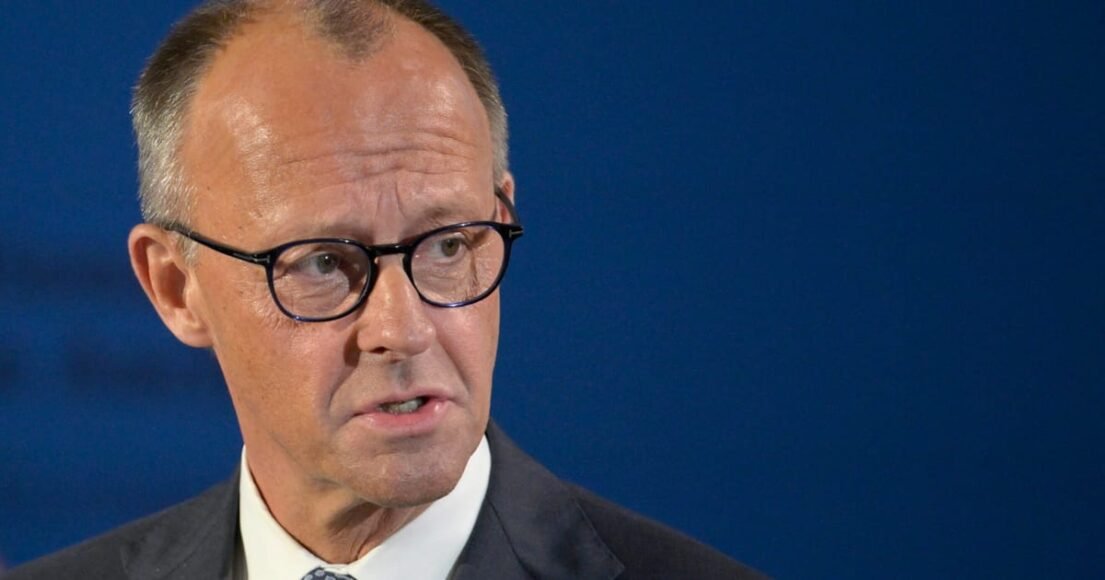
Merz stated, “I admire America,” but expressed concern for the current situation, eliciting laughter from the audience. This highlights the increasing tension between Berlin and Washington after weeks of public disputes between Merz and President Trump.
The German leader, formerly the head of Atlantik-Brücke—a network fostering U.S.-German ties—told schoolchildren on April 28 that the American president had been “humiliated” by Iran and lacked a coherent strategy for the war that began in late February following joint U.S.-Israeli strikes on Iranian targets.
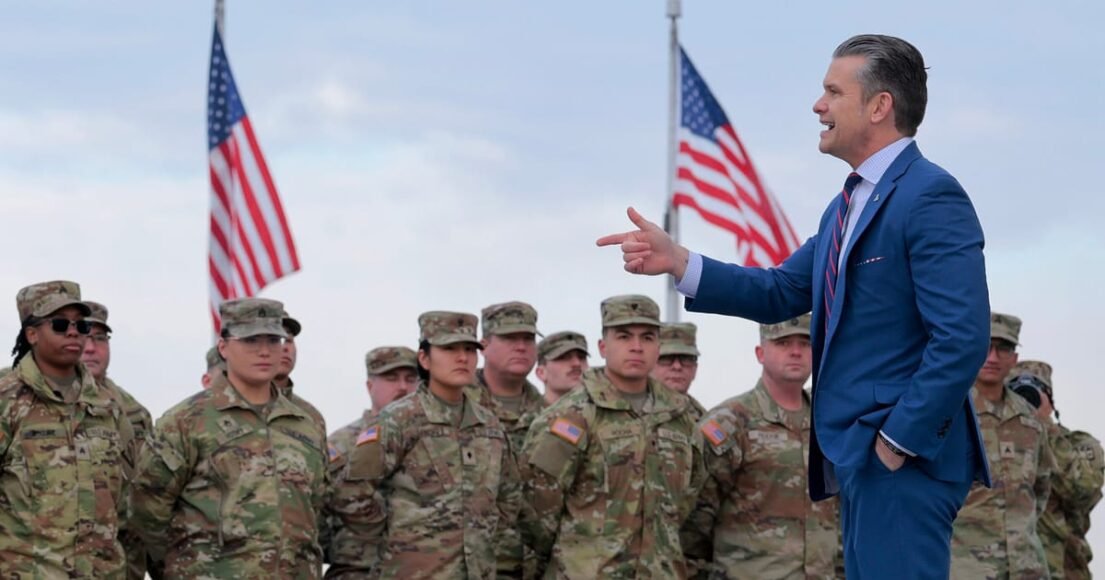
On May 1, three days after the remarks, the Pentagon announced the withdrawal of 5,000 U.S. troops from Germany, following an earlier threat by Trump.
Despite the friction, Merz mentioned on X that he had “a good phone call” with Trump—marking their first communication since the public disagreements—emphasizing afterward that “the U.S. and Germany are strong partners in a strong NATO.”
Berlin has rejected U.S. requests for NATO’s direct involvement in the Iran war, asserting “it is not NATO’s war” while allowing for only a limited German minesweeper role in the Strait of Hormuz after the fighting ceases.
The Trump administration holds a distinct view of Europe’s political situation. In its National Security Strategy published in December last year, Washington warned that Europe faced potential “civilizational erasure” due to migration, weakening national identities, and EU policies allegedly undermining sovereignty.






Leave a Reply