


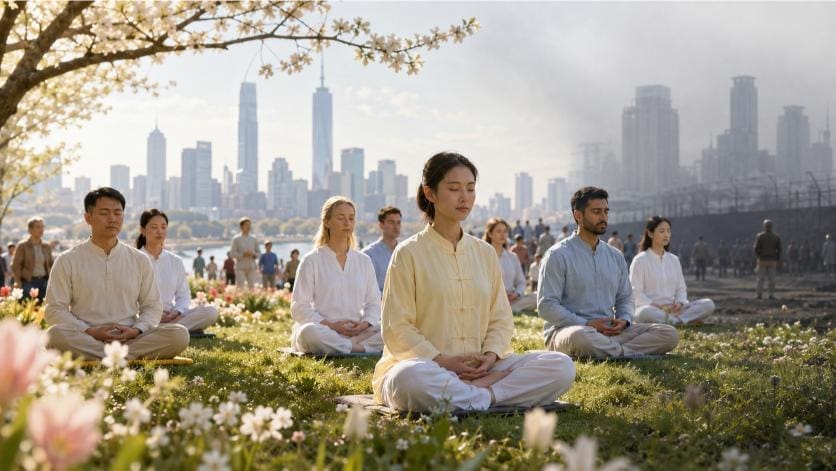
World Falun Dafa Day, celebrated on May 13, serves as a spiritual celebration and a reminder of human rights issues. For practitioners of Falun Dafa, or Falun Gong, it honors the practice’s public introduction in China in 1992, while also highlighting the ongoing challenges faced by adherents in its country of origin.
Globally, Falun Dafa practitioners commemorate the anniversary with meditation, public gatherings, cultural events, and expressions of gratitude. This day marks the public introduction of the practice by Li Hongzhi in Changchun, China, on May 13, 1992.
For practitioners, the anniversary centers on faith, discipline, and thanksgiving. The practice is rooted in Buddhist tradition and focuses on truthfulness, compassion, and forbearance, now followed in over 100 countries and translated into more than 50 languages, according to its official website.
Celebration Amidst Challenges
The anniversary’s joy is intertwined with the political and human-rights context of Falun Gong. Banned in 1999 by Chinese authorities, the movement is seen as a state threat, influencing how the anniversary is observed: openly worldwide, but cautiously in China.
The UK Home Office notes that practitioners in China may face harassment, detention, and pressure to renounce beliefs, with verification of practitioner numbers being difficult in such environments.
Human-rights groups continue to voice concerns about religious control in China. Freedom House, in its 2025 assessment, noted persecution of religious groups including Falun Gong, Tibetan Buddhists, Muslims, and Christian churches under policies tightening state religious control.
Faith, Identity, and Freedom of Conscience
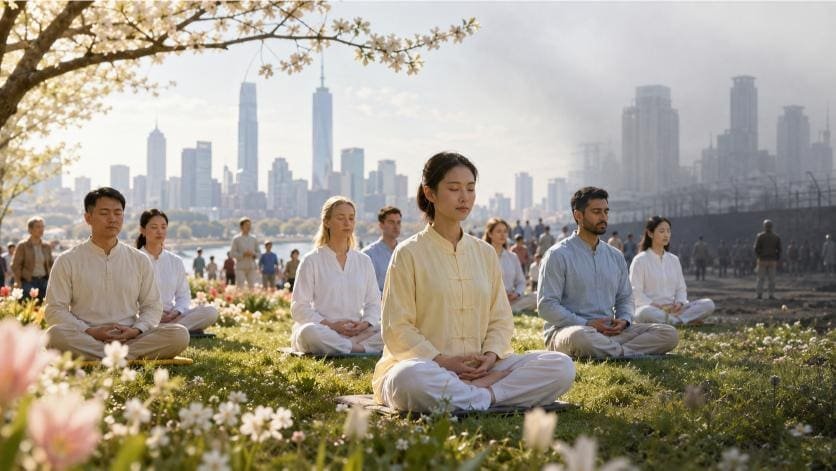
World Falun Dafa Day represents both a spiritual celebration and a test of belief freedom. Democratic societies see open gatherings and public meditation, but in China, association with the practice can be risky. This contrast makes May 13 a global symbol of resilience under pressure.
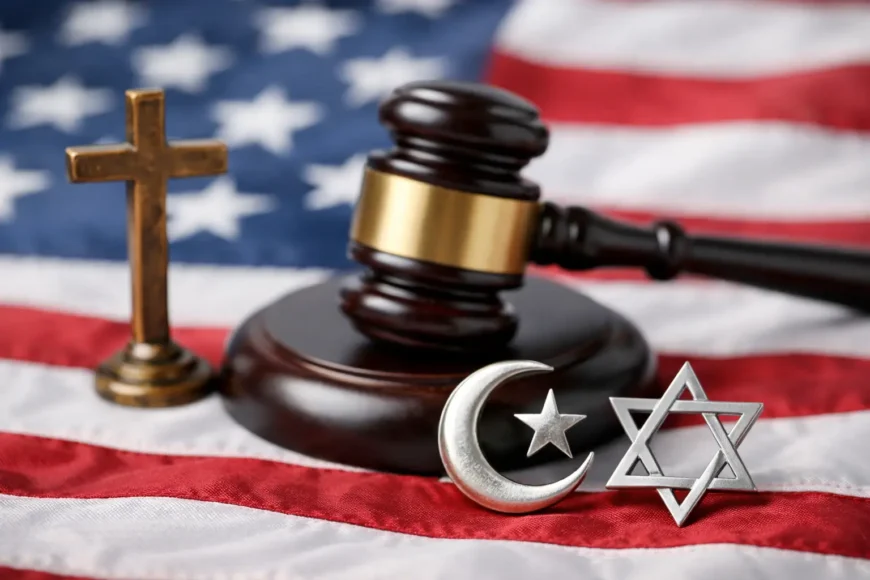
The issue extends beyond one movement, raising questions for governments and institutions on how to respond when states view spiritual organizations as political threats. Freedom of religion protects both major religions and smaller, newer communities, often challenged at the margins.
Ongoing Organ-Harvesting Concerns
A serious aspect of the Falun Gong issue is the allegation of forced organ harvesting from prisoners of conscience. China denies this, but international concern persists.
In 2021, UN human-rights experts expressed alarm about reports of minorities, including Falun Gong practitioners, undergoing non-consensual medical tests and organ removal. In 2022, the European Parliament called for action against these unethical transplants.
These allegations extend the Falun Gong issue beyond religious freedom to include medical ethics, international accountability, and state responsibility in preventing detention abuses.
The Day’s Enduring Importance
May 13 is more than a religious anniversary; it underscores that belief communities endure through memory and public witness. For Falun Dafa practitioners, it signifies gratitude and continuity; for human-rights observers, it highlights the fragility of conscience where spiritual identity is restricted.
World Falun Dafa Day’s ongoing visibility indicates that repression does not eliminate belief. While it may silence expression in one place, it can foster solidarity elsewhere, emphasizing the universal right to practice beliefs freely and peacefully.
The celebration’s central message is clear and challenging: true freedom of belief includes allowing unpopular or misunderstood groups to practice openly and without fear.





Leave a Reply