


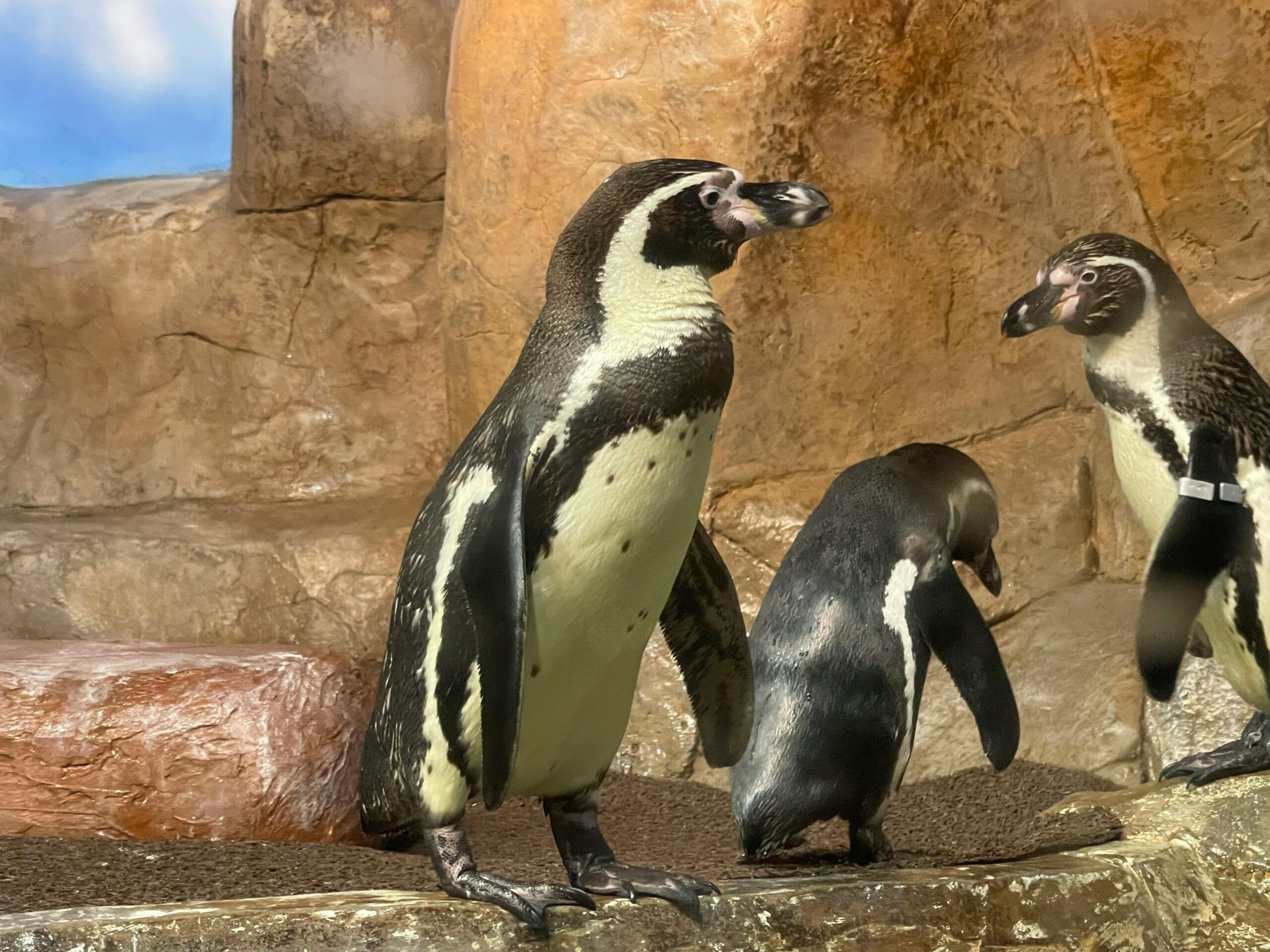
Scientists have found that laziness accelerates biological aging. Inactive individuals experience faster bodily deterioration.
They may be well-fed and secure, but they biologically age faster. A new study provides intriguing insights into longevity. What can we learn from penguins?
Longevity is often linked to supplements, diagnostics, or biohacking. However, an intriguing discovery comes from king penguins.
Researchers studied the effects when these animals, typically living in harsh wild conditions, are kept in a zoo with constant care, reduced movement, and sufficient food. The findings are significant for longevity research.
The key insight is that comfort doesn’t equate to health. Reduced risks can prolong life, but if it reduces physical activity and leads to constant abundance, biological aging may speed up.
Modern longevity faces this tension. Our safer and more comfortable environments may lack crucial stimuli that preserve youthfulness.
Penguin Research Insights
In the wild, king penguins endure extreme conditions, actively travel long distances, and face periods of starvation, like during breeding seasons. In zoos, they have constant food, less physical activity, and fewer threats.
This study model is relevant, reflecting modern human lifestyles characterized by high security, constant food availability, and reduced physical activity.
Longer Life, Faster Aging
Researchers used the epigenetic clock, a method of measuring biological age through DNA methylation patterns, to evaluate how fast organisms age.
Results showed that zoo penguins aged biologically faster than their wild counterparts, with an acceleration of 2.5 to 6.5 years, depending on the model.
Zoo penguins, however, lived longer on average—about 21 years compared to 13.5 years in the wild.
This paradox is crucial in longevity discussions, indicating that longer life does not necessarily mean slower aging. External risks can be minimized without affecting internal aging processes.
Relevance to Humans
The study doesn’t directly apply to humans, but it parallels findings in human studies: Sedentary lifestyles and constant energy surpluses lead to negative health outcomes.
Notably, the penguins weren’t overweight, suggesting the accelerated aging is not due solely to obesity. Researchers suspect physical inactivity and lack of periodic food shortages are key factors.
For longevity, it’s not merely about weight or calorie intake but the quality of metabolic signals we provide.
Body Reactions
The research identified changes in about 300 genes across eleven key signaling pathways.
These pathways respond to food availability and physical activity changes, leading the body to adapt, potentially affecting aging rates.
Evidence of changes in fat metabolism and energy processing suggests active bodily responses to new environments.
Practical Conclusions
The findings imply that longevity involves more than comfort—it requires deliberate stimulation.
This includes regular exercise, ideally involving muscle and cardiovascular activities, and periods without constant energy supply. Avoiding prolonged sitting is also vital.
These are not new trends but align with a fundamental biological model: The human body is meant for alternating activity and rest, not constant comfort.
While not definitive for humans, penguin data support a growing hypothesis in longevity research: A healthy life emerges from bodily challenges, not constant rest, according to Focus.de.











Leave a Reply