


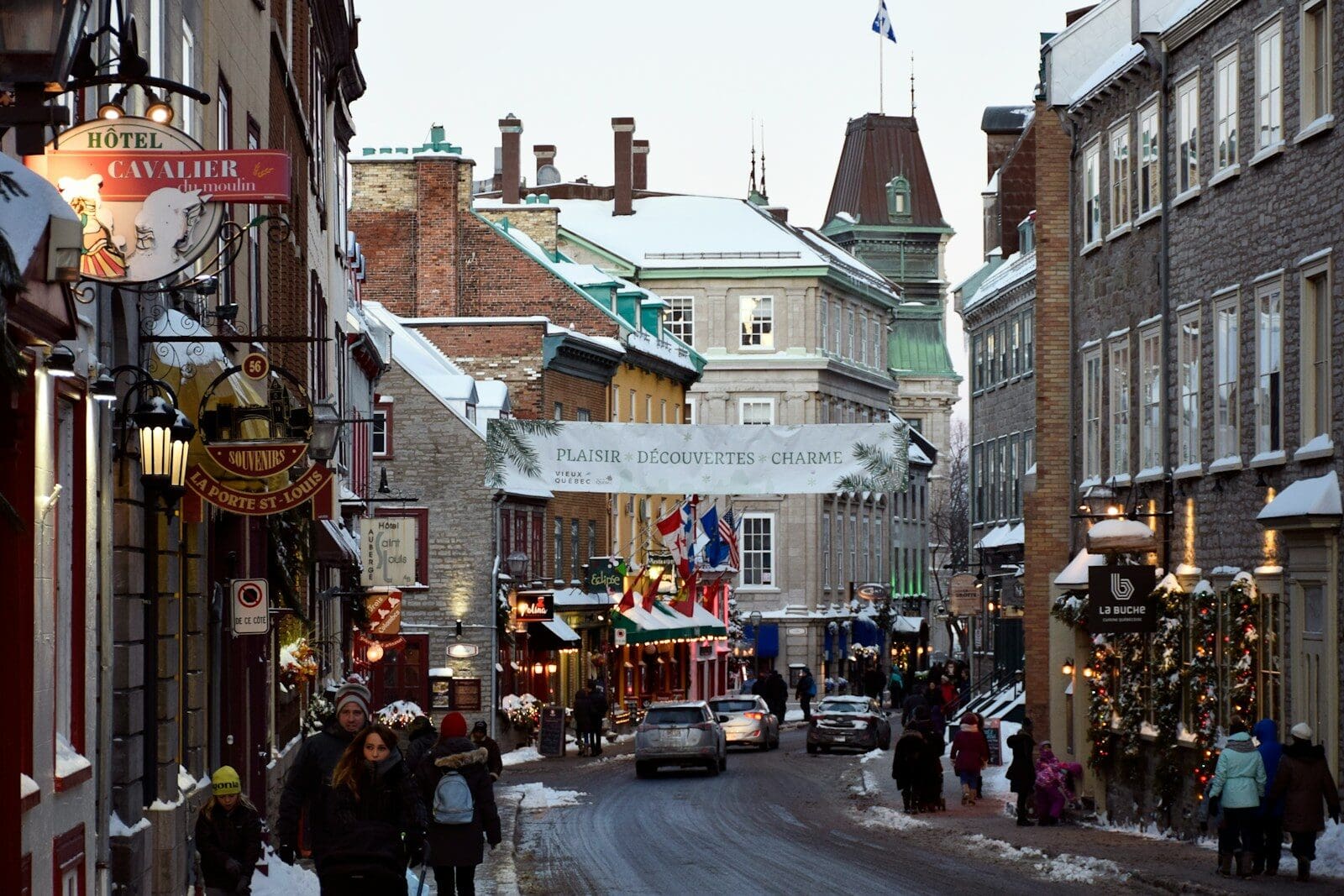
The Quebec government has proposed Bill No. 9 – The Secular State Act, leading to significant public discussion and criticism from religious groups. This bill expands upon 2017 and 2019 regulations, proposing further limitations on religious symbolism in public areas.
Key provisions include banning public workers from wearing visible religious symbols like hijabs, turbans, kippahs, and large crosses; restricting prayers and religious ceremonies at universities; closing college and university prayer rooms next year; mandating face coverings for daycare workers; and revising regulations on religious premises and menus. The law differentiates between “overt” and “soft” symbols, permitting non-intrusive ones for public servants.
“Elements of Quebec’s religious heritage” are exceptions, allowing Catholic symbols to be seen as cultural, not religious, like the crucifix.
The government claims this measure supports religious neutrality and prevents bias in appointments. Quebec’s secularization stems from historical shifts during the 1960s “Quiet Revolution,” diminishing the Catholic Church’s influence.
The secularism debate has grown amid immigration and social tensions, such as pro-Palestinian protests on campuses. Premier François Legault aims to protect Quebec’s identity and ensure public sector neutrality.
Critics argue it disproportionately impacts Muslim women in education, with some symbols not easily concealable. They deem it discriminatory and fear rising social alienation.
Other commentators highlight this as a distraction from pressing issues like medical staff shortages and the housing crisis.
The 2021 census notes about 145,000 Orthodox individuals in Quebec, with several churches and monastic communities, facing no restrictions on religious activities in churches or for sacraments in hospitals and institutions.
Uncertainties remain regarding university chapels, chaplaincy services, and public religious events.
Source: Public Orthodoxy





Leave a Reply