



The escalation of conflict is increasing risks for civilians and aid workers, with three humanitarian staff members killed between 7 and 16 February in Jonglei and Upper Nile states, as reported by the UN’s Office for the Coordination of Humanitarian Affairs (OCHA).
Access to some severely affected areas remains limited despite renewed promises from authorities to facilitate relief efforts.
Last Friday, Emergency Relief Coordinator Tom Fletcher arrived in the country for a five-day mission to raise global awareness about what he termed a worsening and underreported crisis.
“In South Sudan, you have a combination of climate change, conflict, inequality, and poverty,” Mr. Fletcher stated upon arrival. “Currently, people in South Sudan feel unheard.”
Emergency Relief Coordinator Tom Fletcher (left) at the Akobo County Hospital in Jonglei state in South Sudan.
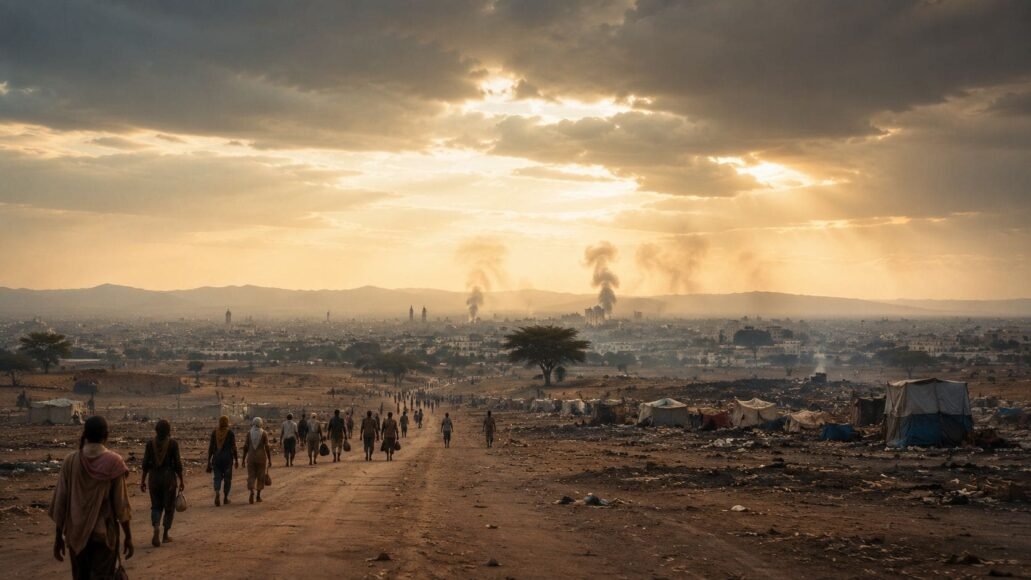
Displacement surges
Renewed clashes between the national army, South Sudan People’s Defence Forces, and the rival Sudan People’s Liberation Army-in-Opposition (SPLA-iO), restarting in late December, have caused widespread displacement in central and northern Jonglei.
South Sudanese authorities report that nearly 280,000 people have fled their homes across eight counties, many of whom have relocated to Upper Nile and Lakes states.
Families are taking shelter in the open or in makeshift structures, with urgent needs for food, healthcare, and essential supplies. Markets and agricultural activities are disrupted, leaving numerous communities with minimal access to food.
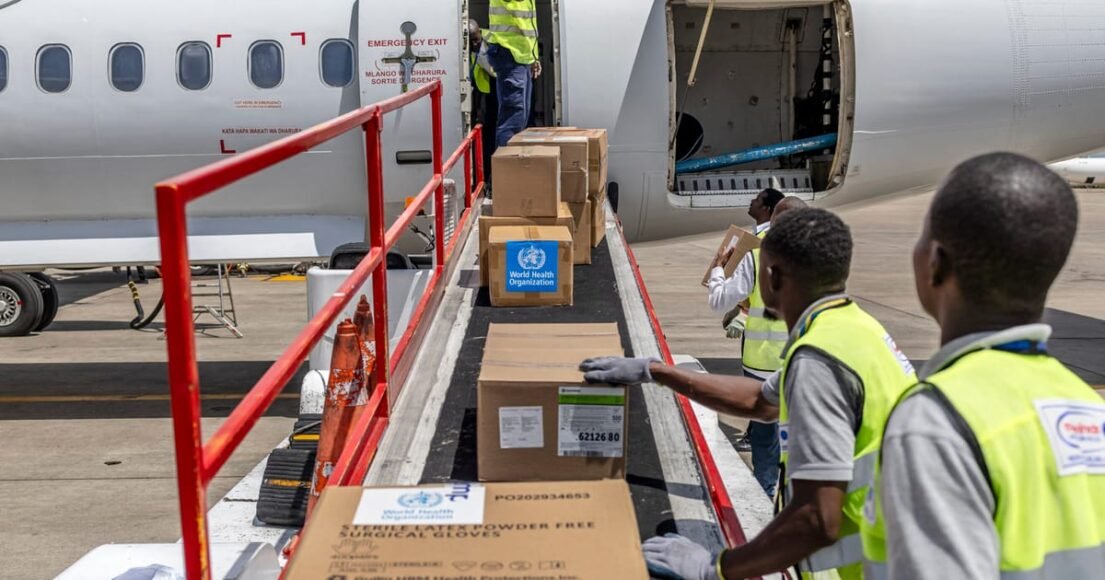
The UN World Food Programme (WFP) has increased food assistance, but fighting and insecurity – including looting of aid convoys – hinder the response.
Caught in the crossfire
In Akobo, southern Jonglei state, Mr. Fletcher visited a local hospital where at least 93 patients with gunshot wounds had been treated by 18 February.
“Civilians should never be a target,” he stated after meeting victims, including an 18-month-old child and a 70-year-old grandmother.
At the hospital, a humanitarian worker shared: “The father was shot. The mother was abducted.” The grandmother had walked seven days for help. Asked if she had received food, Mr. Fletcher noted: “There is no food.”
He emphasized that communities are enduring “weeks, without the support they need,” revealing “devastating stories of sexual violence, of hunger and starvation, of children arriving who have lost everything.”
Cholera on the march
The conflict has severely impacted health services. Thirteen facilities have reportedly been damaged or looted, resulting in three deaths and one injury among health workers. In some counties, most facilities have been destroyed or have ceased operations.
Meanwhile, cholera continues to spread. Between 11 and 17 February, 106 new cases and three deaths were reported in five counties. Since the outbreak began in September 2024, more than 98,000 cases and 1,624 deaths have been recorded nationwide.
Access and accountability
Despite authorities reiterating the need for unhindered humanitarian access, implementation is inconsistent. Aid convoys face denials in some areas, and operational constraints limit movements.
Mr. Fletcher said the challenge goes beyond immediate relief, questioning: “How do we achieve a peace process? How do we end this conflict? How do we ensure security for people here?”
“But also, how do we cut through the noise, the distraction, and apathy?”
Source link







Leave a Reply